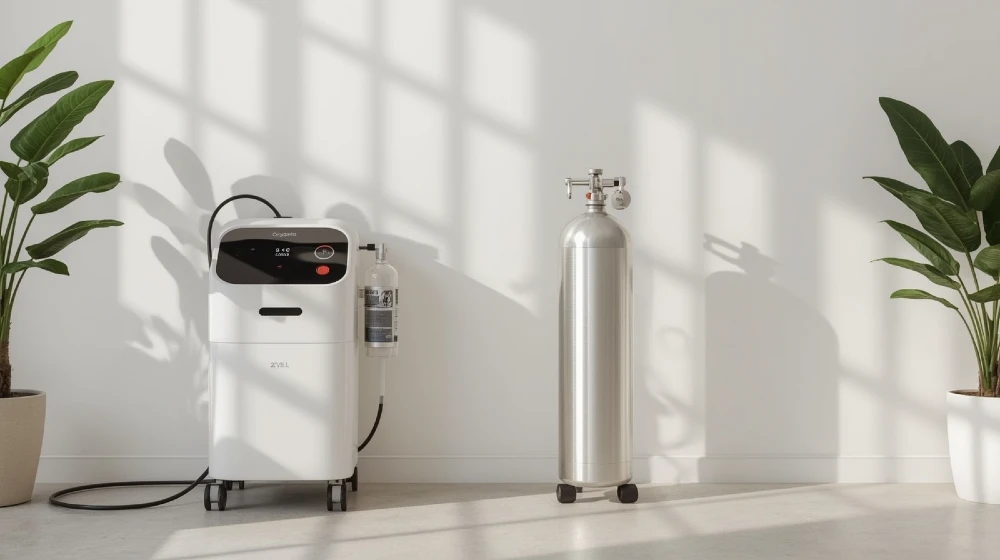
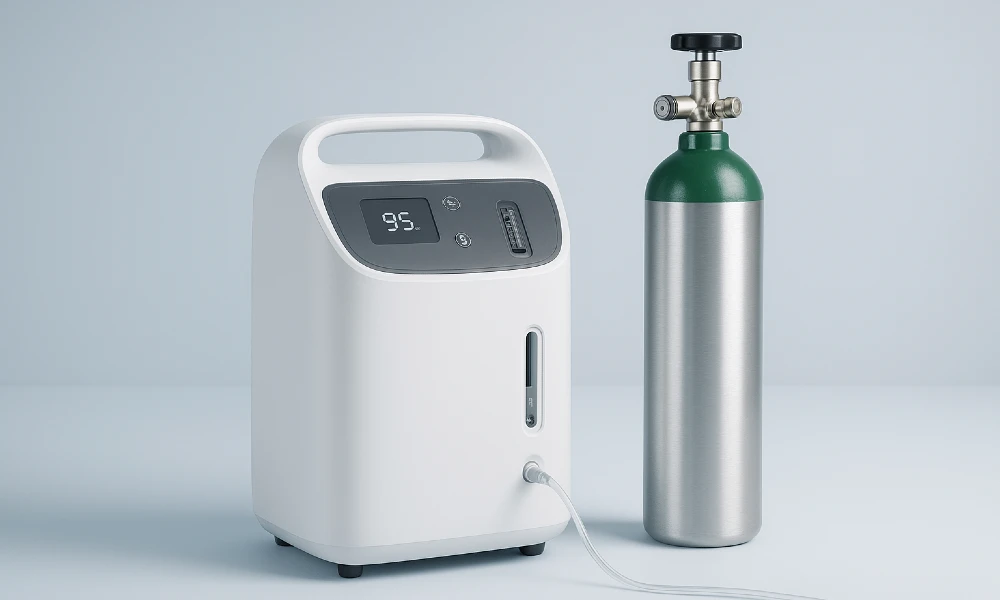
When it comes to oxygen therapy, two of the most commonly used options are oxygen tanks and oxygen concentrators. Both are effective in delivering supplemental oxygen to patients with respiratory disorders, but they differ significantly in terms of technology, convenience, cost, and long-term usability. Choosing the right device depends on a patient’s medical needs, lifestyle, and budget.
In this detailed guide, you will learn the differences, advantages, disadvantages, safety considerations, and which option might be better for home care, travel, emergencies, and long-term use.
1. Understanding the Basics
Before comparing the two, it’s important to understand what each device does and how it works.
What Is an Oxygen Tank?
An oxygen tank (also called an oxygen cylinder) contains compressed oxygen gas stored under high pressure. The oxygen is already filled inside the cylinder and is released at a controlled rate using a regulator and flow meter. Once the oxygen runs out, the tank must be refilled or replaced.
What Is an Oxygen Concentrator?
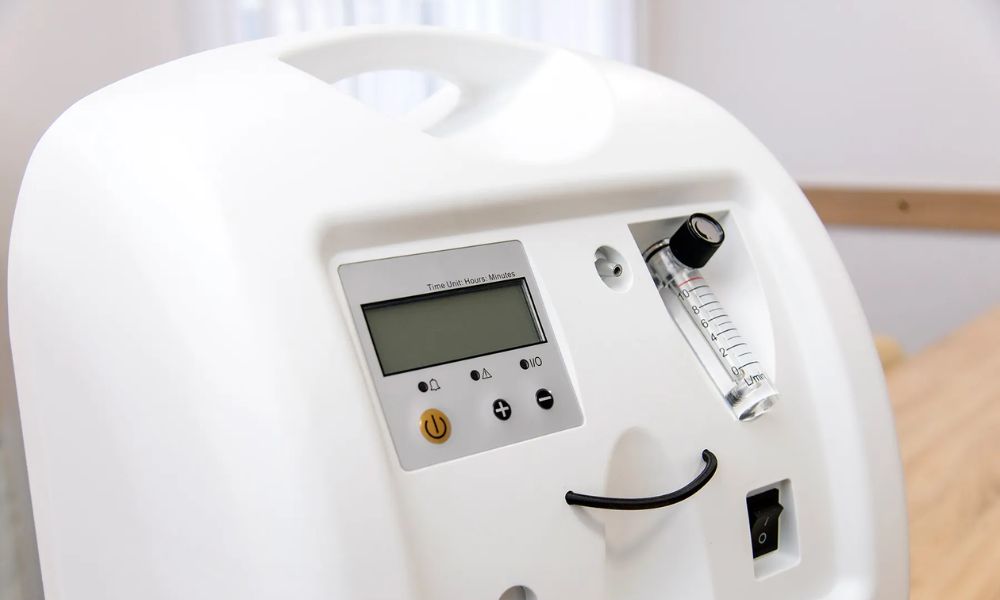
An oxygen concentrator is an electronic device that draws in air from the room, removes nitrogen through filtration, and delivers purified oxygen, usually 90-96% pure. It runs on electricity and provides a continuous supply of oxygen as long as power is available.
2. Key Differences Between Oxygen Tank and Oxygen Concentrator
Source of Oxygen
- Oxygen Tank: Stores oxygen physically inside the cylinder.
- Oxygen Concentrator: Produces oxygen from surrounding air.
Refilling
- Tank: Needs regular refilling or replacement once empty.
- Concentrator: No refilling needed; works continuously with electricity.
Portability
- Tank: Heavy and less portable (except mini cylinders).
- Concentrator: Portable models are lightweight and battery-operated.
Operating Cost
- Tank: High long-term costs due to frequent refills.
- Concentrator: Low long-term cost; just electricity usage.
Safety
- Tank: Highly flammable, requires careful handling.
- Concentrator: Safer, non-flammable, but it requires a power supply.
3. Benefits of Oxygen Tank
Oxygen tanks have been used for decades and remain reliable for several situations.
1. No Need for Electricity
Oxygen tanks work without electricity, making them ideal for:
- Power outages
- Emergency backup
- Rural areas with unstable electricity
2. High Flow Rates
Large cylinders can deliver high oxygen flow, sometimes above 15 LPM, which may be required for certain medical conditions.
3. Instant Oxygen Supply
Just open the regulator valve, and oxygen starts flowing immediately. No warm-up or setup time required.
4. Ideal for Short-Term Use
If oxygen therapy is required only for a few days or weeks, a tank may be more economical.
5. Drawbacks of the Oxygen Tank
Despite their reliability, tanks have notable limitations.
6. Limited Oxygen Supply
Once the cylinder is empty, there is no oxygen until it is refilled. In critical situations, this can be risky.
7. Heavy and Bulky
Larger cylinders are difficult to move and transport. Even smaller ones are not ideal for long travel.
8. High Long-Term Cost
Continuous refilling can become expensive, especially for long-term patients.
9. Safety Risks
- Tanks are highly pressurized
- Valve damage can cause explosions
- Flammable environment risk
Proper handling and storage are essential.
5. Benefits of Oxygen Concentrator
Oxygen concentrators have quickly become the modern alternative to cylinders, especially for home care.
1. Unlimited Oxygen Supply: As long as electricity is available, the concentrator produces continuous oxygen without ending
2. Cost-Effective for Long-Term Use: You avoid repeated cylinder refills. This makes concentrators ideal for:
- COPD patients
- Sleep apnea
- Long-term home-based oxygen therapy
3. Easy to Use and Maintain
- Simple power ON/OFF
- Low maintenance
- Filters need cleaning occasionally
4. Portable Options for Travel: Portable Oxygen Concentrators (POCs) are lightweight (2-5 kg) and battery-powered. Many are FAA-approved for flights.
5. Safer Than Oxygen Tanks: No pressurized gas inside the machine, reducing explosion risks.
6. Drawbacks of Oxygen Concentrator
While concentrators offer many advantages, they also have limitations.
1. Dependence on Electricity:
Without power backup, the machine won’t function. This can be a problem in areas with:
- Frequent power cuts
- No inverter or generator
2. Limited Flow Rate in Portable Models
Most portable concentrators offer up to 5 LPM. Severe patients may need higher flow rates.
3. Slight Noise Level
Concentrators produce a humming sound, which may bother some users.
7. Which Is Better for Home Use?
For home-based oxygen therapy, the oxygen concentrator is generally the better choice.
Why?
- Unlimited oxygen supply
- Low long-term cost
- Safe and user-friendly
- High oxygen purity (90–96%)
- No need for repeated cylinder refills
Most doctors also recommend concentrators for long-term home care due to convenience and reliability.
8. Which Is Better for Emergency Backups?
In emergencies, oxygen tanks are more reliable because they do not require electricity.
For the safest home setup, many families keep:
- 1 oxygen concentrator for daily use
- 1 oxygen cylinder as a backup during power outages
9. Which Is Better for Traveling?
For travelling, Portable Oxygen Concentrators (POCs) are the best option because they are:
- Lightweight
- Battery-powered
- Airline-approved
- Easy to carry
Oxygen tanks are heavier, more regulated during transport, and less convenient for long trips.
10. Cost Comparison: Tank vs. Concentrator
Oxygen Tank Costs
- Initial purchase: ₹5,000 to ₹12,000
- Refill cost: ₹300 to ₹800 per refill
- Transport charges may apply
- Requires regulators and accessories
For long-term patients needing continuous oxygen, monthly refill costs can be high.
Oxygen Concentrator Costs
- Home Concentrator: ₹35,000 to ₹60,000
- Portable Concentrator: ₹1,00,000 to ₹2,50,000
- Very low maintenance costs
- Electricity usage only
Renting an oxygen concentrator is also a popular and cost-effective option in Delhi.
11. Final Comparison: Which One Should You Choose?
Choose Oxygen Concentrator If:
- You need long-term oxygen therapy
- You want a low monthly cost
- You prefer a safe, easy-to-use device
- You want continuous oxygen without refills
Choose Oxygen Tank If:
- You need oxygen occasionally
- You need a backup during power failure
- You need very high flow oxygen
- You live where electricity is unreliable
Wrapping Up
Both oxygen tanks and oxygen concentrators play important roles in medical oxygen therapy, but the best choice depends on your health needs, lifestyle, and long-term usage. For most patients, especially those needing ongoing oxygen therapy, an oxygen concentrator is usually the better, safer, and more cost-effective option. However, keeping an oxygen tank as a backup is also a smart choice, particularly in areas with unstable electricity.
Understanding the differences between the two options can help you make an informed decision and ensure the patient receives safe, uninterrupted oxygen support.
Don’t Miss: Difference Between CPAP and BiPAP Machine: A Detailed Guide for Patients