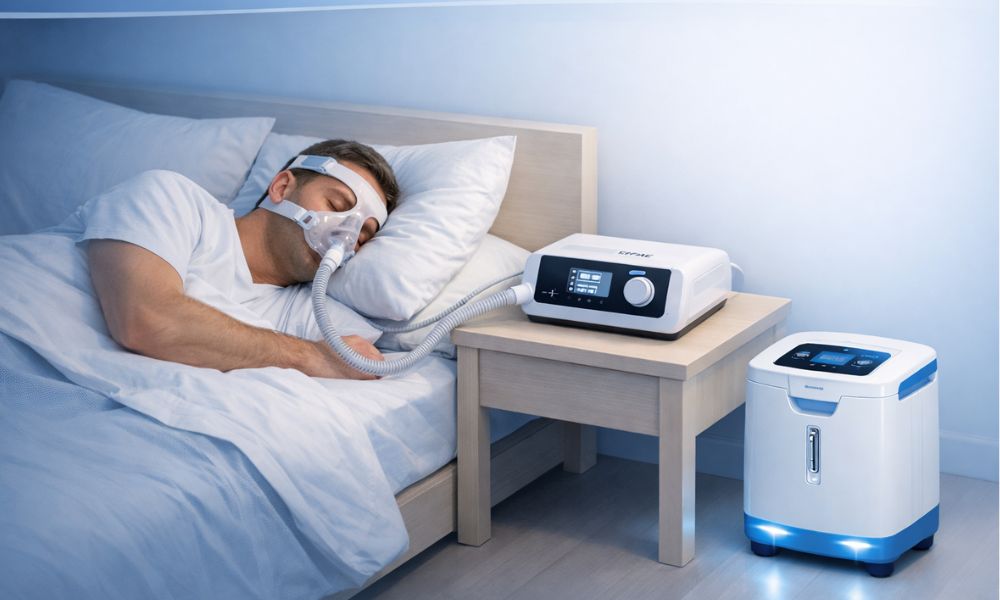
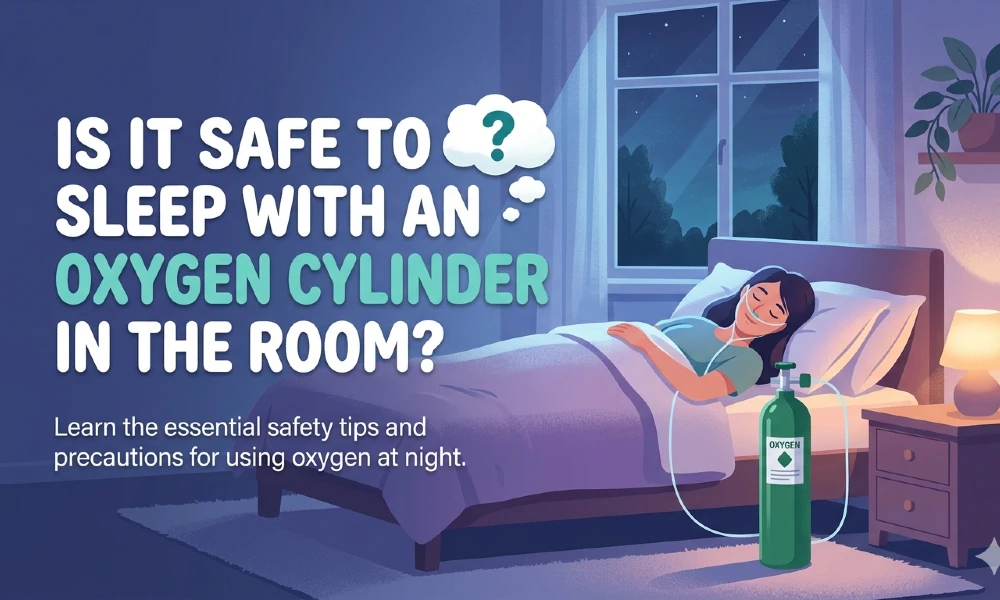
For many individuals dealing with chronic respiratory conditions, supplemental oxygen is a lifeline. It provides the necessary saturation levels to keep organs functioning correctly and improves the overall quality of life. However, when a doctor prescribes “nocturnal oxygen therapy,” it often brings up a significant amount of anxiety regarding safety. The sight of a pressurized steel or aluminum cylinder at the bedside can be intimidating.
The short answer is: Yes, it is safe to sleep with an oxygen cylinder in the room, provided you strictly adhere to specific safety protocols. Oxygen itself is not flammable, but it is an oxidizer, meaning it makes everything around it burn much faster and more intensely.
In this comprehensive guide, we will break down the science of oxygen safety, the physical setup of your bedroom, and the daily habits you need to adopt to ensure your sleep environment remains both therapeutic and secure.
Understanding the Role of Supplemental Oxygen
Before diving into safety, it is important to understand why someone would need an oxygen cylinder by their bed. Conditions like Chronic Obstructive Pulmonary Disease (COPD), pulmonary fibrosis, sleep apnea, or severe asthma can cause blood oxygen levels to drop during the night. This condition, known as nocturnal hypoxemia, can lead to restless sleep, morning headaches, and long-term strain on the heart.
Medical oxygen is delivered via a regulator and a nasal cannula or mask. The cylinder stores the gas under high pressure. While modern medical equipment is designed with high safety standards, the human element, how we handle and store these cylinders, is what determines the actual safety of the environment.
The “Fire Triangle” and Medical Oxygen
To understand why people worry about oxygen cylinders, we must look at the fire triangle: Heat, Fuel, and Oxygen.
Under normal circumstances, the air we breathe contains about 21% oxygen. Inside a room where an oxygen cylinder is leaking or in use, that percentage can rise. While oxygen does not “explode” on its own, it acts as a powerful catalyst. If a spark occurs in an oxygen-enriched environment, materials that wouldn’t normally burn, like heavy bedding or hair oils, can ignite instantly.
Why Concentration Matters?
When you are sleeping, the oxygen is flowing directly into your nose. However, some of that gas escapes into the surrounding bedding, pillows, and your clothing. This creates a localized “oxygen-rich” zone. This is why the primary safety rule for sleeping with oxygen is the total elimination of any ignition sources.
Essential Bedroom Safety Rules
Creating a safe sleeping environment requires a multi-step approach. You are not just managing a piece of medical equipment; you are managing the chemistry of your bedroom.
1. The Five-Foot Rule
The most critical rule for sleeping with an oxygen cylinder is maintaining distance from heat sources. Keep your cylinder at least five to ten feet away from:
- Electric space heaters or radiators.
- Electric blankets or heating pads.
- Electric razors or hair dryers.
- Wall-mounted heaters.
Even though you are sleeping, the equipment remains active. If a space heater tips over or an electric blanket shorts out, the presence of the oxygen cylinder could turn a small spark into a major fire.
2. No Smoking or Open Flames
It should go without saying, but smoking is the leading cause of home oxygen fires. There must be zero smoking in the room where the oxygen is stored or used. This includes e-cigarettes and vapes, which contain lithium-ion batteries that can spark or overheat.
Furthermore, avoid candles, incense, or even matches in the bedroom. If you have a fireplace in your bedroom, it must be extinguished and the embers completely cooled before you turn on your oxygen flow.
3. Proper Cylinder Placement
A pressurized cylinder is a heavy object. If it falls, the valve can break off, turning the tank into a dangerous projectile.
- Secure the tank: Use a sturdy floor stand or a cart designed for oxygen cylinders. Never lean the tank against a nightstand or wall.
- Airflow: Do not store the cylinder in a closet or behind a heavy curtain while it is in use. Ensure there is enough ventilation in the room so that any minor leaks do not lead to a buildup of oxygen gas.
- Floor Surface: Place the cylinder on a flat, level surface. Avoid placing it on thick, shaggy rugs where it might become unstable.
Skin Care and Material Safety
One of the most overlooked aspects of oxygen safety involves the products we put on our bodies. Many common lotions and ointments are petroleum-based (like Vaseline).
The Danger of Petroleum Products
Petroleum is a fuel. In an oxygen-rich environment, petroleum-based products can spontaneously ignite if there is even a tiny amount of friction or static.
- Safe Alternatives: If the nasal cannula causes dryness in your nose or skin, use only water-based moisturizers. Check the labels for “petroleum-free” or “oil-free” markings.
- Hair Products: Avoid using heavy hair oils or alcohol-based sprays before going to bed with oxygen.
Bedding Choices
Static electricity is a minor annoyance for most people, but for an oxygen user, it is a risk.
- Avoid Synthetics: Polyester, nylon, and certain wools can generate sparks when you move in your sleep.
- Choose Cotton: Use 100% cotton bedding and pajamas. Cotton is less likely to produce static and is more breathable, which helps prevent oxygen from being “trapped” in the fabric layers.
Managing the Tubing While You Sleep
Sleeping with a long plastic tube (cannula) can be cumbersome. If the tubing is managed poorly, it can lead to trips, falls, or even strangulation.
- Tubing Length: Ensure your tubing is long enough to allow you to turn over in bed without pulling the cylinder over, but not so long that it bunches up on the floor where you might trip when getting up to use the bathroom.
- Swivel Connectors: Use a swivel connector between your main tubing and the nasal cannula. This prevents the line from kinking, which could cut off your oxygen supply while you sleep.
- Checking for Leaks: Before lying down, listen for a hissing sound near the regulator. You can also use the “bubble test” by placing a drop of water on the connection points; if bubbles form, you have a leak that needs tightening.
Maintenance and Storage of Spare Cylinders
Most patients have a “primary” source (like an oxygen concentrator) and use cylinders as a backup, or they use cylinders exclusively. If you have multiple tanks in your bedroom, storage is key.
- Don’t Hoard Tanks: Only keep the amount of oxygen you need for a few days.
- Upright Storage: All cylinders, whether full or empty, must be stored upright in a rack. Never store them lying flat under the bed.
- Labeling: Clearly mark tanks as “Full,” “In Use,” or “Empty.” This ensures you don’t run out of oxygen in the middle of the night because you accidentally hooked up an empty tank.
- Valve Protection: Keep the protective caps on the valves of any tanks that are not currently in use.
What to Do in Case of an Emergency?
Even with thorough preparation, unexpected incidents can still occur. Being prepared can save your life.
- Fire Extinguishers: Keep a fire extinguisher (Tri-class ABC) in the bedroom and ensure everyone in the household knows how to use it.
- Smoke Detectors: Test your smoke detectors monthly. It is highly recommended to have a smoke detector inside the bedroom and one directly outside the door.
- Post Warning Signs: It might feel intrusive, but hanging a “No Smoking – Oxygen in Use” sign on your bedroom door is a vital communication tool for visitors or emergency responders.
- Notify the Fire Department: Many local fire departments maintain a list of residents who use home oxygen. In the event of a neighborhood emergency or fire, they will prioritize your home and be aware of the pressurized tanks inside.
Troubleshooting Common Sleep Issues
Many people find it difficult to sleep at first. Here is how to handle the most common complaints without compromising safety:
“The Hissing Sound Keeps Me Awake”
The sound of oxygen flow is a constant white noise. If it is distracting, you can place the cylinder slightly further away (using longer tubing) or use a white noise machine (placed at a safe distance) to mask the sound.
“The Cannula Irritates My Ears”
If the tubing rubs behind your ears, you can buy foam “ear protectors” specifically made for oxygen users. Never use tape or greasy salves to secure the tubing.
“I’m Afraid the Oxygen Will Run Out”
This is a valid fear. Always check your gauge before sleeping. If you know a full tank lasts you 6 hours at a flow rate of 2 liters per minute, and you plan to sleep for 8 hours, ensure you have a backup tank ready or a pulse-dose setting if approved by your doctor.
The Difference Between Cylinders and Concentrators
While this guide focuses on cylinders, many people use oxygen concentrators. A concentrator pulls air from the room, filters out the nitrogen, and delivers purified oxygen.
Safety Note: Concentrators are generally considered safer for long-term sleep because they do not store gas under high pressure. However, they are electric. If there is a power outage, the machine stops. This is why you must always have an oxygen cylinder as a backup, and the same safety rules regarding fire and petroleum apply to both.
Summary Checklist for a Safe Night’s Sleep
To wrap up, here is a quick daily checklist you can use to ensure your bedroom remains a safe haven:
- Check the Gauge: Ensure there is enough oxygen for the entire night.
- Inspect the Tubing: Look for kinks, cracks, or tangles.
- Clear the Area: Ensure no heaters, candles, or electronics are within five feet of the tank.
- Ventilation: Keep the bedroom door cracked or a window slightly open to ensure fresh air circulation.
- Clothing: Confirm you are wearing cotton pajamas and that your bedding is not synthetic.
- Secure the Tank: Double-check that the cylinder is firmly in its stand or cart.
Wrapping Up
Sleeping with an oxygen cylinder in the room is a necessary reality for many people, and it does not have to be a source of constant worry. By respecting the equipment and understanding how oxygen interacts with the environment, you can enjoy a restful, safe night.
The goal of supplemental oxygen is to help you breathe easier and live better. By following these safety protocols, keeping the “fire triangle” in mind, avoiding petroleum products, and securing your cylinders, you turn a potential hazard into a life-sustaining tool. Always consult with your healthcare provider or oxygen equipment technician if you have specific questions about your setup. Safety is a habit, and once you establish these routines, sleeping with oxygen will become a seamless part of your health journey.
Don’t Miss: Infusion Pump Vs Syringe Pump: Which One Does Your Patient Need?