Using an oxygen concentrator at home can significantly improve the quality of life for individuals with respiratory conditions. However, it is essential to operate the machine safely and correctly. Misuse can reduce effectiveness or create unnecessary risks. In this guide, we explain how to use an oxygen concentrator safely at home, covering setup, usage, precautions, cleaning, and maintenance.
What Is an Oxygen Concentrator?
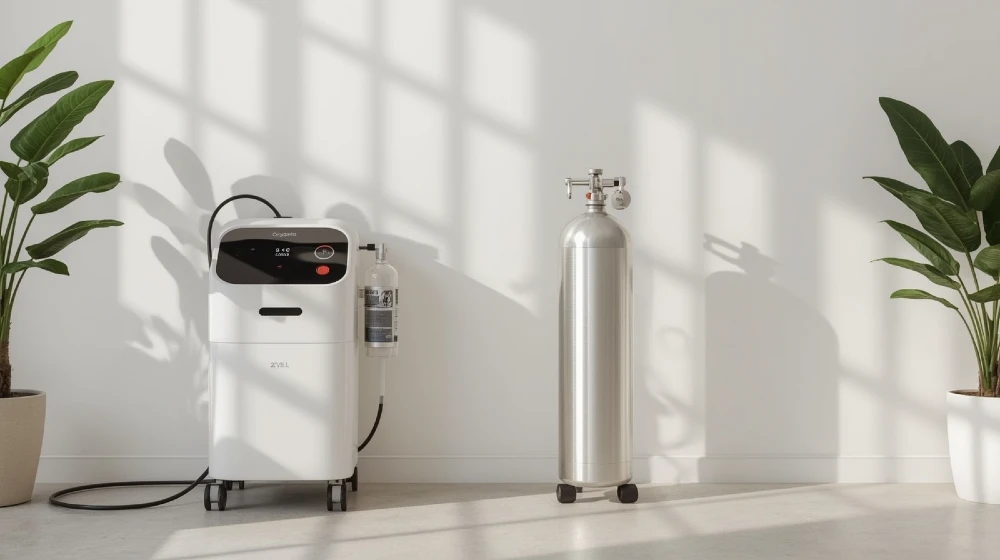
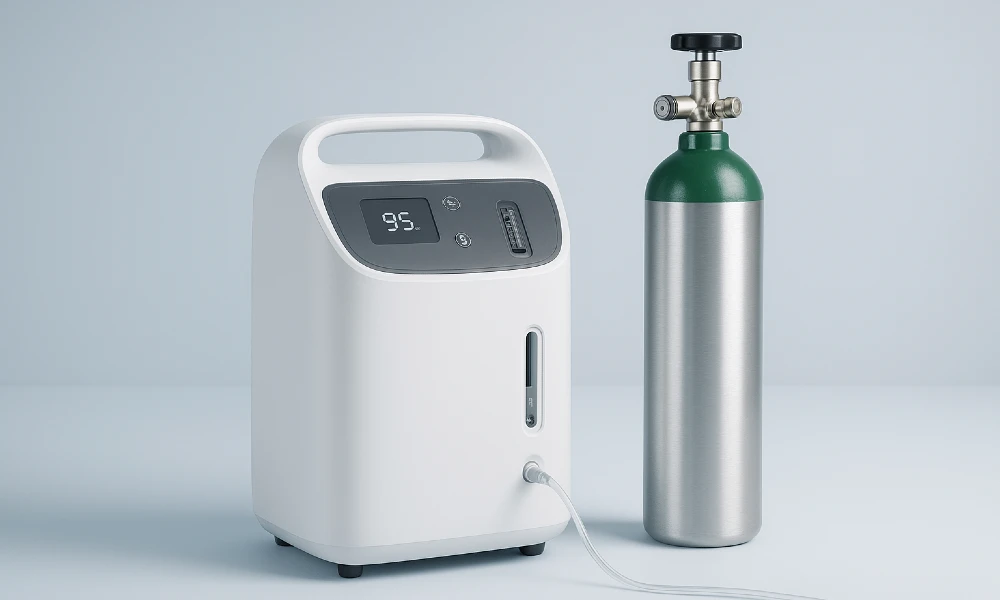
An oxygen concentrator is a medical device that extracts oxygen from the surrounding air, filters it, and delivers concentrated oxygen to the user. Unlike oxygen cylinders, concentrators do not require refilling, making them a practical option for long-term home use.
These machines are commonly prescribed for conditions such as:
- COPD
- Asthma
- Pneumonia recovery
- Long-term oxygen therapy (LTOT)
- Post-COVID breathing issues
Understanding the device is the first step toward safe and efficient usage.
Before You Begin: Important Safety Preparations
Before operating your oxygen concentrator, ensure that you have read the user manual provided by the manufacturer. Each device may have different controls, filters, and safety features.
Here are some essential preparations:
- Place the oxygen concentrator in a well-ventilated area with good airflow. Avoid keeping it against walls or near curtains.
- Make sure the machine is positioned on a stable, level surface. This prevents vibration, overheating, or accidental tipping.
- Use a dedicated power outlet. Avoid connecting it to an extension cord to reduce the risk of voltage fluctuation or fire
- Keep the device away from heat sources. This includes gas stoves, geysers, room heaters, or direct sunlight.
Making these preparations helps ensure smooth and safe operation.
Step-by-Step Guide to Using an Oxygen Concentrator at Home
1. Set Up the Machine Properly
Start by placing the concentrator at least 1–2 feet away from walls and furniture to maintain adequate airflow. Plug the device directly into the wall socket.
Ensure all accessories, such as nasal cannula, humidifier bottle, and tubing, are available and in good condition.
2. Attach the Humidifier Bottle (If prescribed)
Some users require humidified oxygen to prevent dryness in the nasal passages.
To set it up:
- Remove the humidifier bottle from the package.
- Fill it with clean, distilled water up to the indicated level.
- Attach it securely to the oxygen concentrator outlet.
- Check for any leaks or loose fittings.
Humidification helps users breathe more comfortably, especially at higher flow settings.
3. Connect the Nasal Cannula or Oxygen Mask
Attach one end of the tube to the oxygen outlet or humidifier bottle. Connect the other end to the nasal cannula or mask.
Make sure:
- The tube is not twisted or bent.
- The cannula rests comfortably around the ears and under the nose.
- The mask fits snugly if you are using one.
Proper connection ensures consistent oxygen delivery without interruptions.
4. Start the Machine
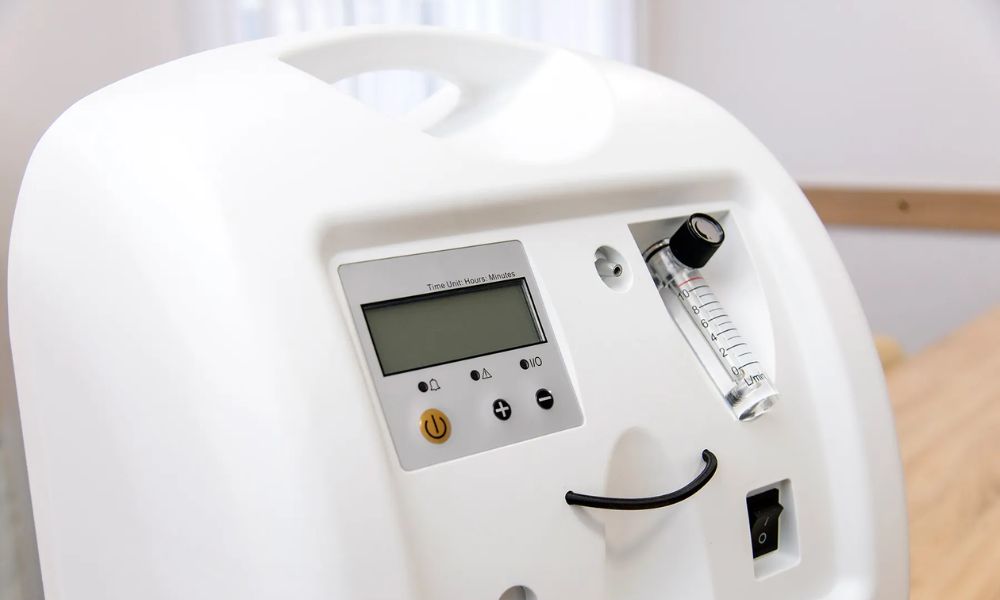
Switch on the concentrator by pressing the power button. Most devices take about 2–5 minutes to reach full purity levels. Wait for the device to stabilize before using it.
Listen for unusual sounds. A normal concentrator makes a low humming noise.
5. Set the Prescribed Flow Rate
Adjust the oxygen flow using the flow meter knob. Only use the oxygen flow rate recommended by your doctor.
Using a higher flow rate without medical advice can be unsafe and unnecessary, while using a lower rate may not provide adequate oxygen.
6. Breathe Normally
Once the machine is running and the cannula is in place, breathe normally. Do not adjust the flow rate on your own unless instructed by a healthcare professional.
If you experience discomfort, dryness, or irritation, consult your doctor.
Essential Safety Precautions to Follow
Oxygen concentrators are generally safe, but oxygen is a fire-supporting element. Therefore, it is vital to follow certain precautions.
Keep Away from Flames
- Do not smoke near the concentrator.
- Keep the device at least 5–6 feet away from open flames.
- Avoid using flammable products like aerosol sprays, alcohol-based sanitizers, or oil-based creams near the machine.
Avoid Water Exposure
- Do not place the device in damp areas.
- Avoid touching the concentrator with wet hands.
- Keep the machine away from bathrooms or water containers.
Maintain Proper Ventilation
Ensure the air inlet and outlet vents are clear. Any blockage can cause overheating or reduced oxygen output.
Use the Right Power Supply
- Never use low-quality extension cords.
- Avoid plugging the concentrator into a power strip with multiple appliances.
- Use a voltage stabilizer if your area experiences frequent fluctuations
Prevent Tripping Hazards
The cannula tubing can cause accidental falls if not arranged properly. Keep it aligned along walls or under carpets where possible.
Routine Cleaning and Maintenance
Regular cleaning keeps the oxygen concentrator functioning efficiently.
1. Clean the Nasal Cannula
Replace the cannula every 2-4 weeks. Wash it weekly with mild soap and warm water if needed.
Empty the water daily. Refill with fresh, distilled water. Wash the bottle with warm, soapy water and let it air dry.
3. Clean the Filters
Most concentrators have:
- Intake filter
- Bacteria filter
- HEPA filter (in some models)
Wipe the external filter weekly. Internal filters usually require professional service every 6–12 months.
4. Wipe the Exterior
Use a soft cloth to clean the machine’s outer surface. Avoid harsh chemicals.
5. Professional Servicing
Schedule maintenance with a certified technician every 6 months. This ensures stable oxygen purity and trouble-free operation.
Warning Signs You Should Not Ignore
Stop using the concentrator and seek medical or technical help if you notice:
- The oxygen purity level drops (on machines with purity indicators).
- The device makes loud or unusual noises.
- Burning smell or overheating.
- Error warnings or alarm beeps.
- Difficulty breathing or sudden discomfort
Prompt action can prevent medical emergencies or device damage.
When to Contact Your Healthcare Provider?
Consult your doctor if:
- You feel breathless even while using the device.
- You need higher oxygen flow than prescribed.
- You experience chest discomfort or fatigue.
- You plan to travel or use the concentrator for longer hours.
Do not change the oxygen flow rate without proper guidance.
My Health Mart
My Health Mart offers reliable and affordable Oxygen Concentrator on Rent in Delhi for patients who need continuous respiratory support at home. We provide high-quality, medically approved concentrators suitable for long-term oxygen therapy, post-hospital recovery, and emergency needs.
Our team ensures quick delivery, proper setup, and user guidance so families can use the device safely and confidently. With flexible rental plans, 24/7 assistance, and well-maintained equipment, My Health Mart makes home oxygen care simple and stress-free. Choose My Health Mart to access trusted oxygen concentrator rental services across Delhi at budget-friendly rates.
Wrapping Up
Using an oxygen concentrator safely at home ensures effective therapy and reduces unnecessary risks. By following proper setup steps, adhering to prescribed flow rates, maintaining the device, and staying aware of safety precautions, users can experience smooth and reliable oxygen support.
Always consult your healthcare provider for personalized advice and keep your device well-maintained for long-term performance.
Don’t miss: 5 Signs You May Need a BiPAP Machine at Home