A sudden drop in oxygen level at home can be scary – not just for the patient, but for the entire family. In such situations, panic is natural, but quick and correct action can make a huge difference.
If you or your loved one is facing low oxygen levels, this guide will help you understand exactly what to do, step by step.
What is a Normal Oxygen Level?
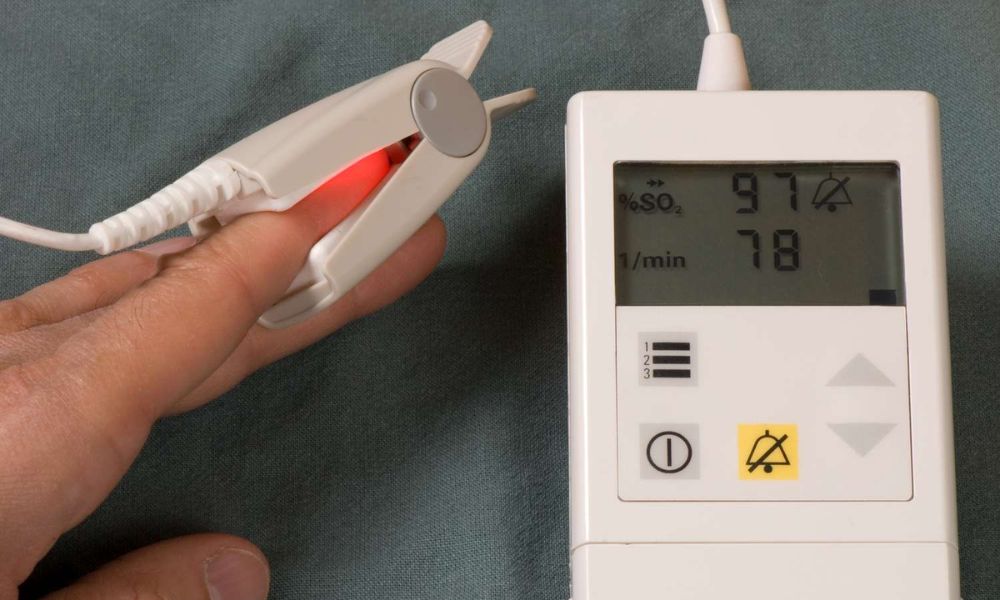
Oxygen level is measured using a pulse oximeter (SpO₂).
- 95%–100% → Normal
- 90%–94% → Low (needs attention)
- Below 90% → Critical (medical emergency)
If your oxygen level starts dropping below normal, you should not ignore it.
Signs That Your Oxygen Level is Dropping
Sometimes the body gives early warning signs. Watch out for:
- Shortness of breath
- Rapid breathing
- Chest tightness
- Bluish lips or fingertips
- Confusion or restlessness
If you notice these symptoms, act immediately.
Immediate Steps to Take If Oxygen Level Drops
1. Stay Calm and Sit Upright
Do not lie flat. Sit in a comfortable upright position or try the proning position (lying on your stomach), which can help improve oxygen flow.
2. Check Oxygen Level Again
Use a pulse oximeter properly:
- Remove nail polish
- Keep hands warm
- Stay still for accurate reading
Sometimes incorrect readings can cause unnecessary panic.
3. Start Oxygen Support (If Available)
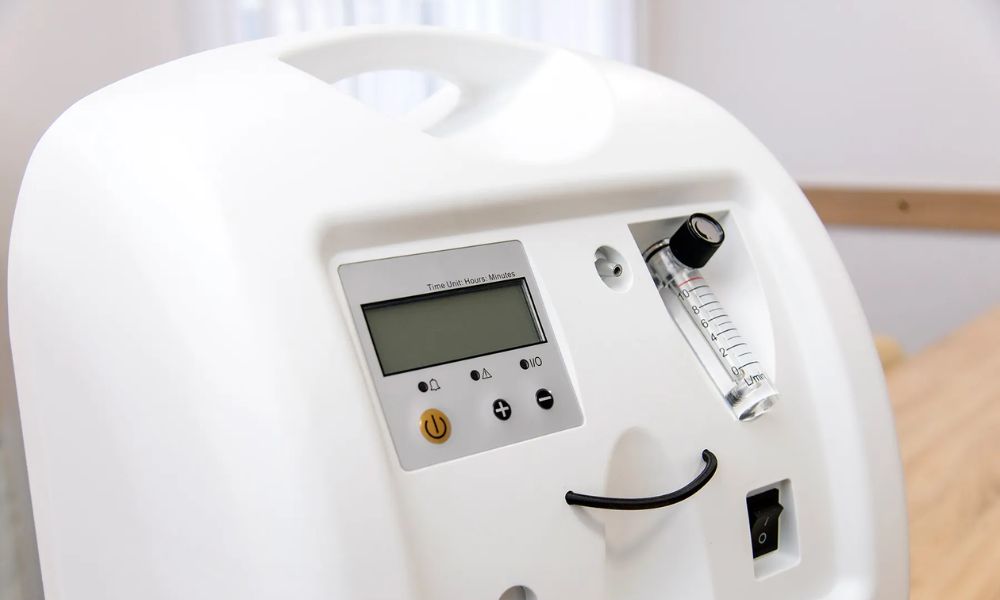
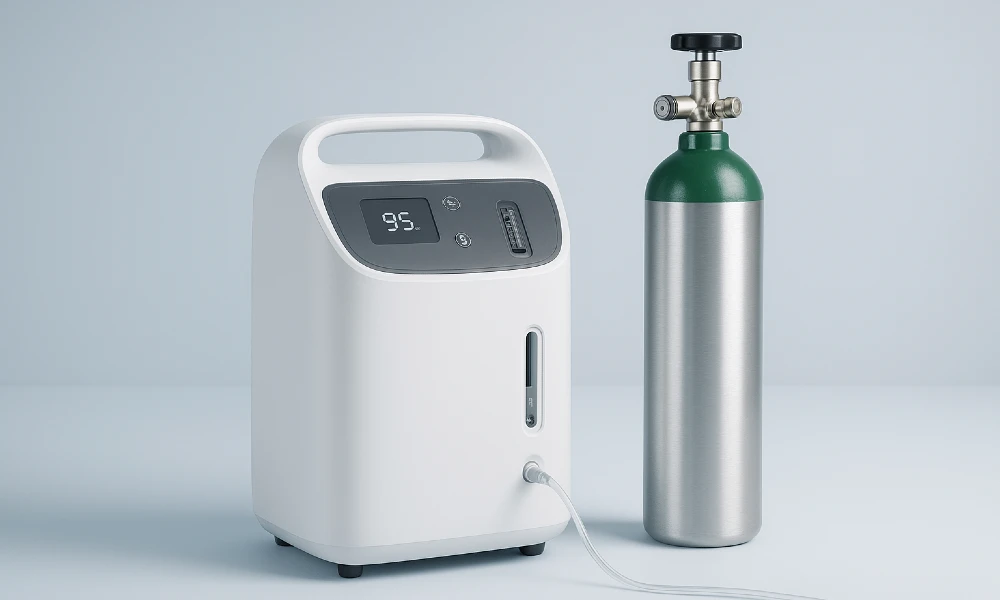
If you have an oxygen cylinder or concentrator at home, start oxygen support as advised by your doctor.
Make sure:
- The flow rate is set correctly
- The mask or nasal cannula is properly fitted
4. Practice Deep Breathing
Slow, deep breathing can help improve oxygen intake:
- Inhale deeply through the nose
- Hold for a few seconds
- Exhale slowly
Repeat this for a few minutes.
5. Call a Doctor Immediately
If oxygen levels are not improving or dropping below 90%, contact a doctor without delay.
Do not try to manage severe cases on your own.
6. Arrange Emergency Help
If the condition becomes critical:
- Call an ambulance
- Prepare for hospital admission
Quick medical intervention can be life-saving.
When Should You Go to the Hospital?
You should seek immediate medical help if:
- Oxygen level stays below 90%
- Breathing becomes very difficult
- The patient feels drowsy or confused
- No improvement even after oxygen support
Do not delay in such situations.
Common Causes of Low Oxygen Levels
Understanding the cause helps in better management:
- Respiratory infections
- COVID-19 or pneumonia
- Chronic lung diseases (like COPD)
- Asthma attacks
- Heart-related issues
How to Prevent Oxygen Levels from Dropping
Prevention is always better than emergency care:
- Monitor oxygen levels regularly if at risk
- Keep emergency equipment ready
- Stay hydrated and maintain good nutrition
- Follow doctor’s advice strictly
- Avoid smoking and polluted environments
Why Home Medical Support Matters
In emergencies, having the right setup at home can save valuable time.
In emergencies, having the right setup at home can save valuable time. My Health Mart provides reliable home healthcare solutions, including oxygen concentrator at home, oxygen cylinders, and emergency support to ensure patient safety, faster recovery, and complete peace of mind.
Conclusion
A drop in oxygen level at home is a serious situation, but with the right knowledge and quick action, it can be managed effectively.
Stay alert, monitor symptoms, and never hesitate to seek medical help when needed. Your timely response can protect lives.
FAQs
1. What is a dangerously low oxygen level?
Anything below 90% is considered dangerous and requires immediate medical attention.
2. Can low oxygen levels recover at home?
Mild cases can improve with rest and oxygen support, but severe cases need hospital care.
3. Which position is best for low oxygen levels?
Sitting upright or lying in the prone position (on the stomach) helps improve oxygen flow.
4. How fast can oxygen levels drop?
It can drop suddenly depending on the condition, so regular monitoring is important.
5. Should I buy an oxygen concentrator for home use?
If a patient is at risk, having one at home can be helpful, but always consult a doctor before use.
Don’t Miss: How Long Can a Person Stay on a Ventilator at Home?