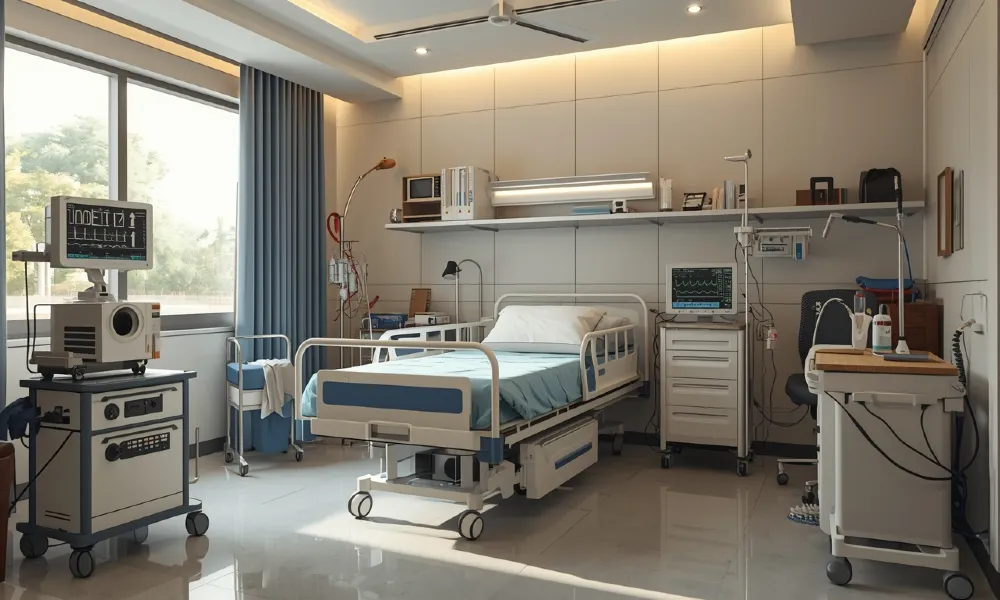

For many patients living with kidney failure, dialysis becomes a regular part of life. Traditionally, hemodialysis is performed in hospitals or dialysis centers. However, with advancements in medical technology and home healthcare services, many people are now considering doing hemodialysis at home. But the big question is — is it safe, practical, and affordable?
Let’s break it down in a simple and realistic way.
What is Home Hemodialysis?
Hemodialysis is a process that filters waste, toxins, and excess fluids from the blood when the kidneys can no longer do so effectively. In a home setting, this same procedure is performed using a dialysis machine, but under controlled and trained conditions.
Home hemodialysis gives patients more flexibility in scheduling treatments and allows them to stay in a familiar, comfortable environment instead of frequent hospital visits.
Is Hemodialysis at Home Safe?
Yes, home hemodialysis can be safe — but only when done properly.
Patients and caregivers must undergo proper training before starting. This includes learning how to operate the machine, maintain hygiene, monitor vital signs, and respond to emergencies.
Safety depends on:
- Proper training and guidance
- Regular monitoring by a doctor
- Clean and hygienic setup
- Reliable equipment
When all these factors are in place, many patients actually experience better outcomes and improved quality of life compared to in-center dialysis.
Setup Required for Home Hemodialysis
Setting up dialysis at home is not as simple as plugging in a machine. It requires planning and a dedicated space.
1. Dialysis Machine
A compact and user-friendly dialysis machine is installed at home. Some modern machines are designed specifically for home use.
2. Water Treatment System
Clean and purified water is essential for dialysis. A reverse osmosis (RO) system is usually installed to ensure safe water quality.
3. Power Backup
Since dialysis sessions can last several hours, uninterrupted power supply is critical. Backup options like inverters or generators are recommended.
4. Space and Hygiene
A clean, dust-free area is necessary to reduce infection risk. The setup should be well-organized with easy access to all equipment.
5. Training and Support
Both patient and caregiver must be trained by healthcare professionals. Ongoing support is also important for troubleshooting.
Cost of Home Hemodialysis in India
The cost can vary depending on the equipment and frequency of dialysis.
Initial Setup Cost:
- Dialysis machine: ₹4–8 lakh (purchase) or rental options available
- Water purification system: ₹50,000–₹1 lakh
- Installation and training: ₹20,000–₹50,000
Monthly Running Cost:
- Consumables (dialyzers, tubing, etc.): ₹20,000–₹40,000
- Electricity and water: ₹2,000–₹5,000
- Maintenance and servicing: varies
Although the initial investment may seem high, home dialysis can reduce long-term hospital visit costs, travel expenses, and waiting time.
Benefits of Home Hemodialysis
1. Flexibility
Patients can choose a schedule that fits their lifestyle, including shorter and more frequent sessions.
2. Comfort
Being at home reduces stress and provides emotional comfort.
3. Better Health Outcomes
Some patients report improved energy levels, better blood pressure control, and fewer dietary restrictions.
4. Reduced Travel
No need for frequent trips to dialysis centers, which saves time and effort.
Risks and Challenges
Despite its advantages, home hemodialysis comes with certain risks that should not be ignored.
1. Infection Risk
Improper hygiene can lead to serious infections, especially at the access site.
2. Technical Issues
Machine malfunction or incorrect usage can disrupt treatment.
3. Emergency Situations
Sudden drops in blood pressure, cramps, or complications may occur during dialysis.
4. Caregiver Burden
A trained caregiver is often required, which can be physically and emotionally demanding.
5. Initial Learning Curve
It takes time and confidence to manage dialysis independently at home.
Who is Suitable for Home Dialysis?
Not everyone is suitable for home hemodialysis. Ideal candidates are:
- Physically and mentally stable
- Willing to learn and follow protocols
- Have a supportive caregiver
- Have enough space and resources at home
Doctors usually assess patients carefully before recommending home dialysis.
My Health Mart: Safe and Reliable Hemodialysis at Home
Final Thoughts
Home hemodialysis is a promising option that offers independence, flexibility, and comfort. However, it is not a casual decision — it requires proper setup, training, and ongoing medical supervision.
If managed correctly, it can significantly improve a patient’s quality of life.
In emergencies, having the right setup at home can save valuable time. My Health Mart provides reliable home healthcare solutions to support patients with advanced medical equipment and professional assistance, ensuring safety and comfort during recovery.
FAQs
Q1. Is home dialysis painful?
No, the process is similar to hospital dialysis. Some discomfort may occur initially, but it becomes manageable over time.
Q2. How long does a session take?
Typically 3–5 hours, depending on the patient’s condition and schedule.
Q3. Can I travel if I’m on home dialysis?
Yes, but it requires planning. Portable dialysis machines can help in some cases.
Q4. Do I still need doctor visits?
Yes, regular check-ups are necessary to monitor health and adjust treatment.
Q5. Is home dialysis better than hospital dialysis?
It depends on the patient. Home dialysis offers flexibility, but hospital dialysis provides direct medical supervision.
Don’t Miss: What Should I Do If My Oxygen Level Drops at Home?