Starting BiPAP therapy at home can feel overwhelming at first. Whether your doctor has prescribed it for sleep apnea, COPD, or another breathing condition, it’s completely normal to have questions and mixed emotions. The good news is that the first week is all about adjustment—and with the right support from My Health Mart, the transition can be smooth and comfortable.
Let’s walk through what you can realistically expect during your first seven days of using a BiPAP machine at home.
Understanding BiPAP Therapy
During the first week, your body and mind are adjusting to this new breathing pattern. Patience is key.
Day 1–2: Getting Comfortable with the Equipment
1. Mask Adjustment Takes Time
One of the most common experiences in the first couple of nights is discomfort with the mask. You may feel:
-
Slight pressure on your face
-
Air leaks around the edges
-
Mild skin irritation
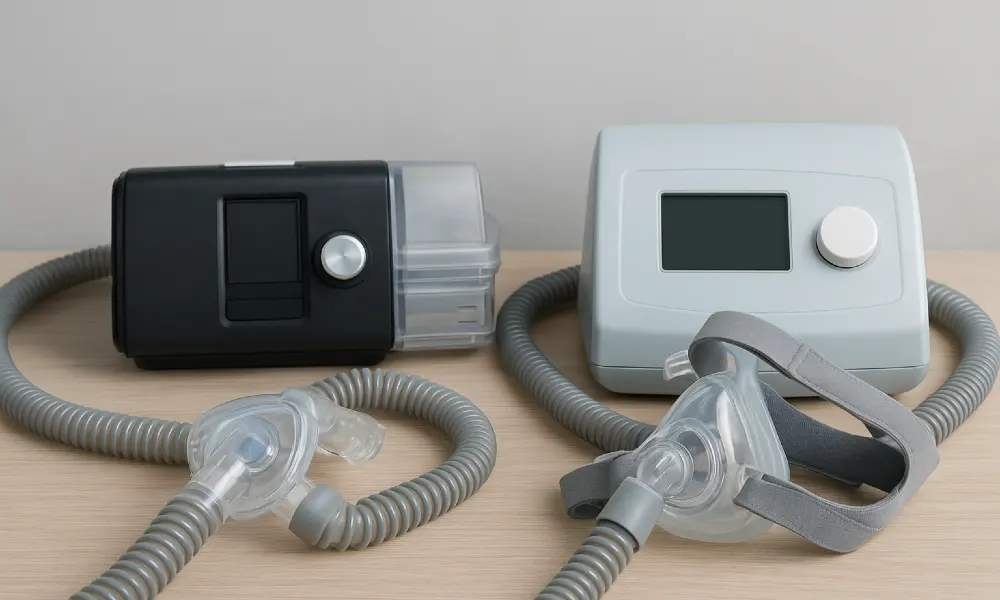
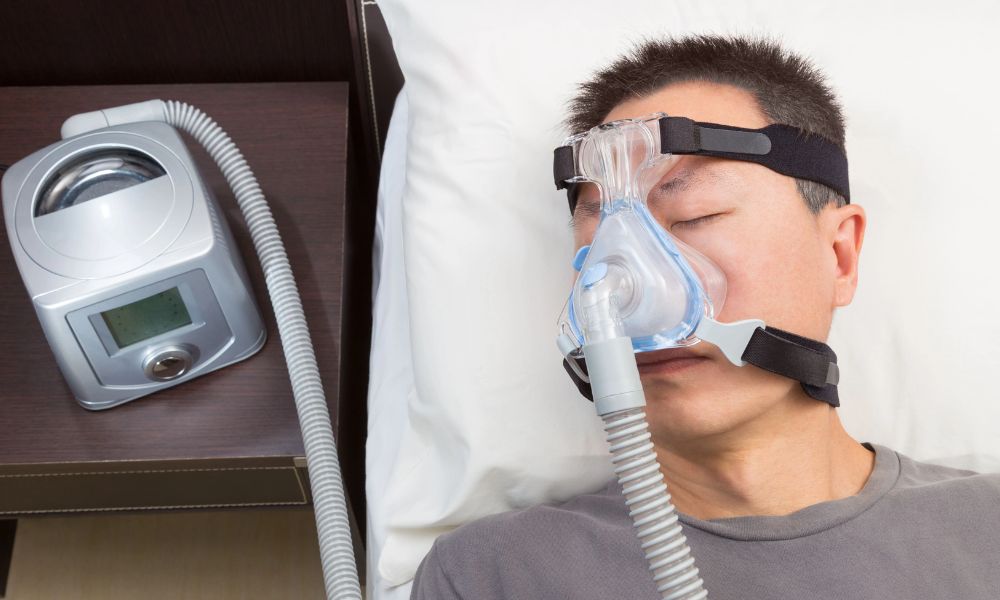
This is completely normal. Make sure the mask fits snugly but not too tight. At My Health Mart, we always recommend trying different mask styles if needed because comfort directly affects therapy success.
2. Strange Sensation While Breathing
You might feel like the air pressure is “too strong” at first. This happens because your body isn’t used to assisted breathing. Within a few nights, most users adjust naturally.
Day 3–4: Adjustment Phase
By mid-week, you may start noticing changes.
1. Improved Sleep Quality
You might wake up fewer times at night. Some people report:
-
Less snoring
-
Reduced morning headaches
-
Slightly better energy levels
However, don’t expect dramatic results immediately. BiPAP therapy is a gradual improvement process.
2. Mild Side Effects
Some temporary side effects can appear:
-
Dry nose or mouth
-
Mild bloating from swallowed air
-
Slight nasal congestion
Using a humidifier attachment can help reduce dryness. If symptoms continue, consulting your provider is important.
Day 5–7: Building a Routine
By the end of the first week, many users begin feeling more confident.
1. Developing a Nightly Habit
Consistency is crucial. Try to:
-
Use the machine every night
-
Wear it for the entire duration of sleep
-
Clean the mask and tubing regularly
Creating a simple bedtime routine helps your brain associate the BiPAP machine with restful sleep.
2. Emotional Adjustment
It’s common to feel self-conscious or frustrated initially. Some users worry about how they look wearing the mask. Remember, your health comes first. With proper guidance from My Health Mart, most users feel empowered once they start noticing breathing improvements.
Tips for a Smooth First Week
Here are a few practical tips to make your first week easier:
-
Practice wearing the mask for 20–30 minutes during the day
-
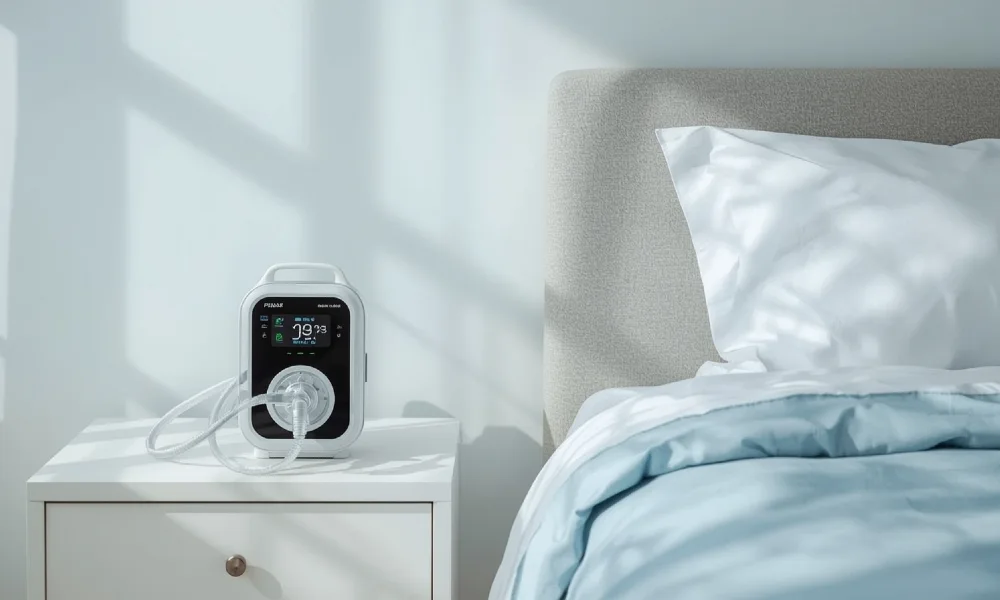
Keep your machine on a stable surface near your bed
-
Check for air leaks before sleeping
-
Stay patient and positive
If something feels uncomfortable, don’t ignore it. Small adjustments can make a big difference.
When to Seek Help
While mild discomfort is normal, you should contact a professional if you experience:
-
Severe dryness or nosebleeds
-
Persistent chest discomfort
-
Continuous mask leakage
-
Anxiety that prevents sleep
Early troubleshooting prevents long-term issues.
Final Thoughts
The first week of BiPAP therapy at home is all about adaptation. It may feel unusual at first, but most users adjust within a few days. The key is consistency, proper mask fitting, and reliable support.
At My Health Mart, we understand that starting BiPAP therapy is a major step toward better respiratory health. With the right equipment, guidance, and encouragement, your first week can be the beginning of more restful nights and healthier mornings.
Don’t Miss: What is the Permanent Treatment for Sleep Apnea?