Breathing problems during sleep can seriously affect overall health, energy levels, and quality of life. Many people suffer from conditions such as sleep apnea, COPD, obesity hypoventilation syndrome, and other respiratory disorders that make it difficult to breathe properly at night. When the body does not receive enough oxygen during sleep, it leads to fatigue, headaches, poor concentration, heart strain, and long-term complications.
BiPAP therapy is one of the most effective non-invasive treatments for patients who experience breathing difficulties during sleep. It not only improves oxygen levels but also enhances sleep quality by making breathing easier and more comfortable.
In this article, we will explain how BiPAP therapy works, how it improves oxygen levels, and how it helps patients sleep better and live healthier lives.
Understanding BiPAP Therapy
BiPAP stands for Bilevel Positive Airway Pressure. It is a type of non-invasive ventilation therapy used to support patients who have difficulty breathing on their own.
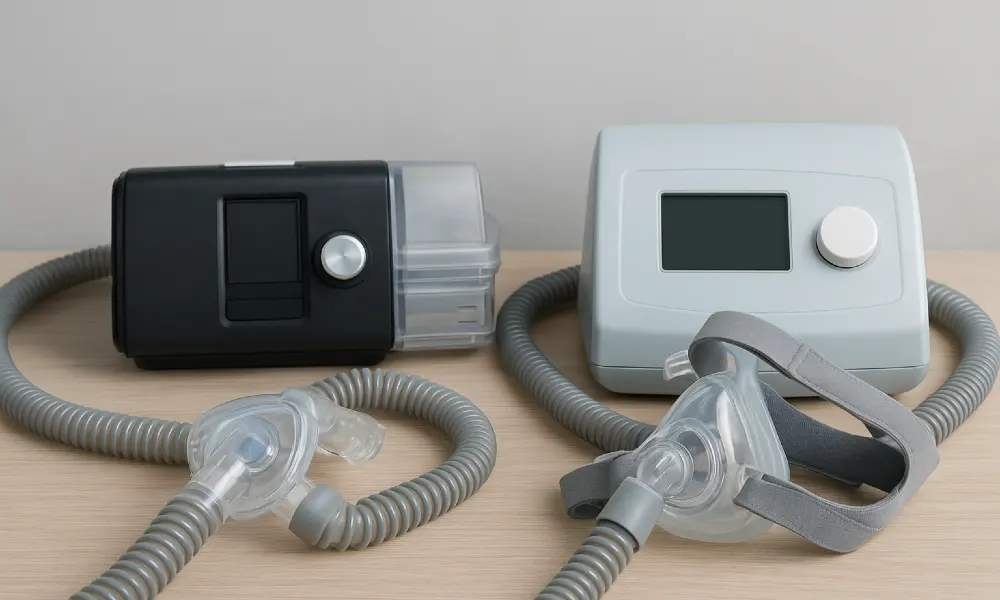
Unlike CPAP machines, which provide a constant single pressure, BiPAP machines deliver two different pressure levels:
- A higher pressure occurs when the patient inhales
- A lower pressure when the patient exhales
This dual-pressure system makes breathing more natural and less tiring, especially for patients with weak lungs or respiratory muscle fatigue.
BiPAP therapy is commonly prescribed for:
- Obstructive sleep apnea
- Central sleep apnea
- COPD
- Respiratory failure
- Neuromuscular disorders
- Obesity hypoventilation syndrome
Why Oxygen Levels Drop During Sleep?
During sleep, breathing naturally becomes slower and shallower. For people with lung disease or airway obstruction, this can cause oxygen levels to drop even further.
Common reasons for low oxygen levels during sleep include:
- Airway collapse in sleep apnea
- Weak respiratory muscles
- Reduced lung capacity
- Shallow breathing
- Carbon dioxide retention
When oxygen levels fall below normal, the body is forced to wake up repeatedly to resume proper breathing. These frequent awakenings prevent deep, restful sleep and put stress on the heart and brain.
Over time, untreated low oxygen levels can increase the risk of high blood pressure, heart disease, stroke, diabetes, and memory problems.
How BiPAP Therapy Improves Oxygen Levels?
BiPAP therapy works by delivering pressurized air through a mask to keep the airways open and assist breathing. The two pressure levels play a crucial role in improving oxygen intake.
The higher inhalation pressure helps push air deep into the lungs, allowing more oxygen to enter the bloodstream. This improves oxygen saturation and reduces breathlessness.
The lower exhalation pressure makes it easier for patients to breathe out comfortably. This prevents air trapping and reduces carbon dioxide buildup in the lungs.
By supporting both inhalation and exhalation, BiPAP reduces the work of breathing and ensures steady oxygen delivery throughout the night.
As a result, patients experience:
- Higher oxygen saturation levels
- Reduced episodes of oxygen drop
- Improved lung ventilation
- Better carbon dioxide removal
How BiPAP Therapy Improves Sleep Quality?
Good sleep depends on uninterrupted breathing and proper oxygen flow. When breathing stops or becomes shallow during sleep, the brain wakes the body up repeatedly, even if the person is not aware of it.
BiPAP therapy helps by keeping the airway open and maintaining steady breathing throughout the night. This prevents airway collapse and breathing pauses that disturb sleep.
With BiPAP support, patients experience:
- Fewer nighttime awakenings
- Longer periods of deep sleep
- Reduced snoring
- Improved REM sleep
- Better sleep continuity
Because the machine adjusts pressure for inhalation and exhalation, patients find it more comfortable than traditional CPAP therapy, especially those who struggle with exhaling against constant pressure.
Comfort plays a major role in long-term therapy success. When patients sleep comfortably, they are more likely to use the machine regularly and benefit from continuous treatment.
Benefits of BiPAP Therapy for Long-Term Health
BiPAP therapy does more than just improve sleep. It supports overall health by reducing the strain on vital organs.
When oxygen levels remain stable during sleep:
- The heart experiences less strain
- Blood pressure stays more controlled
- Brain function improves
- Daytime fatigue decreases
- Mood and mental clarity improve
Many patients report feeling more energetic, alert, and focused during the day after starting BiPAP therapy. Morning headaches and dry mouth also reduce significantly.
For patients with chronic lung conditions, BiPAP therapy can slow disease progression by improving lung efficiency and reducing respiratory fatigue.
Who Can Benefit Most from BiPAP Therapy?
BiPAP therapy is especially helpful for patients who cannot tolerate CPAP or need higher breathing support.
It is commonly prescribed for:
- Patients with moderate to severe sleep apnea
- People with COPD and chronic respiratory failure
- Patients with weak breathing muscles
- People with obesity-related breathing disorders
- Patients recovering from respiratory infections or surgery
Doctors usually recommend BiPAP after evaluating sleep study reports, oxygen levels, and lung function tests.
What to Expect When Starting BiPAP Therapy?
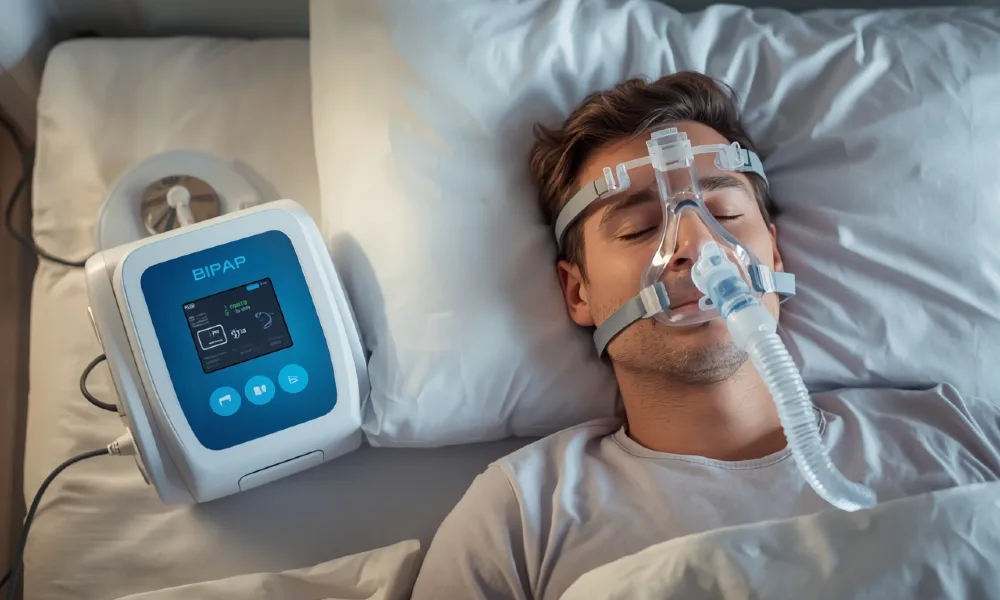
When starting BiPAP therapy, patients are fitted with a comfortable mask that covers the nose or both the nose and mouth. The machine is programmed according to the doctor’s prescription.
Modern BiPAP machines come with:
- Auto-adjusting pressure modes
- Humidifiers to prevent dryness
- Quiet motors for peaceful sleep
- Safety alarms and leak detection
- Data tracking for therapy monitoring
It may take a few nights to get used to the sensation of pressurized air, but most patients adapt quickly. With regular use, breathing becomes easier, and sleep improves noticeably.
Tips for Better BiPAP Therapy Results
To get the best results from BiPAP therapy, patients should:
- Use the machine every night
- Ensure proper mask fitting
- Clean the mask and tubing regularly
- Keep the humidifier filled with clean water
- Follow doctor-recommended pressure settings
Consistency is key. Even skipping a few nights can bring back breathing problems and poor sleep quality.
Common Myths About BiPAP Therapy
Some people believe that BiPAP therapy is only for critically ill patients. In reality, it is widely used for home therapy and long-term care.
Others worry that using a machine means they are dependent on it. In truth, BiPAP simply supports natural breathing and protects the lungs and heart from oxygen deprivation.
Many patients are surprised by how much better they feel once they start sleeping with proper oxygen support.
My Health Mart
My Health Mart offers reliable BiPAP machine rental services in Delhi for home and hospital care. We provide high-quality BiPAP devices with fast doorstep delivery, easy setup, and full technical support. Our machines are well-maintained, hygienic, and ready for immediate use, ensuring safe and effective breathing support for patients with sleep apnea, COPD, and respiratory conditions.
With flexible rental plans and affordable pricing, My Health Mart makes advanced respiratory care accessible and convenient. Trusted by families and healthcare professionals, we are committed to delivering comfort, safety, and peace of mind.
Wrapping Up
BiPAP therapy is a powerful and effective solution for people who struggle with breathing during sleep. By providing two levels of pressure, it supports both inhalation and exhalation, making breathing easier and more natural.
The therapy helps maintain healthy oxygen levels, prevents airway collapse, and reduces carbon dioxide buildup. As a result, patients enjoy deeper sleep, fewer awakenings, and better overall health.
For anyone suffering from sleep apnea, chronic lung disease, or nighttime breathing difficulty, BiPAP therapy can be life-changing. With regular use and proper guidance, it restores restful sleep, boosts energy levels, and protects long-term heart and lung health.
Don’t Miss: 5 LPM vs 10 LPM Oxygen Concentrator: Which One Do You Need?