Hip and knee replacement surgeries help patients regain mobility and reduce long-term joint pain. However, after surgery, one important concern doctors focus on is preventing blood clots. This is where a DVT pump becomes helpful during recovery.
A DVT pump, also known as a Deep Vein Thrombosis prevention pump, is commonly recommended after orthopedic surgeries to improve blood circulation and reduce the risk of clot formation in the legs.
Table of Contents
ToggleWhat Is a DVT Pump?
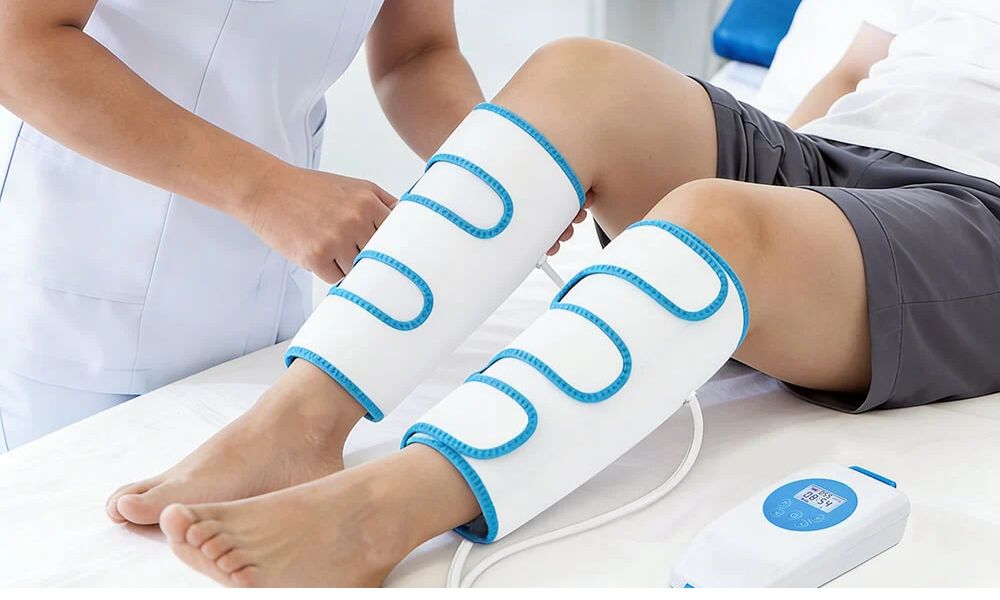
A DVT pump is a medical device designed to improve blood flow in the legs. It works by gently compressing the calves or feet at regular intervals, similar to the natural movement of walking.
After surgery, patients often spend long hours resting in bed with limited movement. This lack of movement can slow blood circulation, increasing the chances of blood clots developing in deep veins. The pump helps keep blood flowing properly during this recovery period.
Why Is DVT a Risk After Hip or Knee Replacement?
Hip and knee replacement surgeries can increase the risk of Deep Vein Thrombosis because:
- Patients remain less active after surgery
- Blood circulation slows down during bed rest
- Surgical procedures can temporarily affect blood clotting
- Swelling in the legs may reduce normal blood flow
If a blood clot forms and travels to the lungs, it can become a serious medical emergency called pulmonary embolism. That is why doctors take DVT prevention very seriously after joint replacement procedures.
When Does a Patient Need a DVT Pump?
1. Immediately After Surgery
Most patients are advised to use a DVT pump within hours after hip or knee replacement surgery. Hospitals usually attach the device while the patient is still recovering in the hospital bed.
The earlier circulation support begins, the lower the risk of clot formation.
2. During Limited Mobility
Patients who are unable to walk properly after surgery may need continued use of the pump. Recovery from knee or hip replacement can take time, and reduced movement increases clotting risk.
The pump helps maintain healthy blood circulation until the patient is able to move around more comfortably.
3. Patients With Higher Risk Factors
Doctors may strongly recommend a DVT pump for patients who have:
- Previous history of blood clots
- Obesity
- Diabetes
- Smoking habits
- Heart disease
- Advanced age
- Long-term bed rest requirements
These conditions can increase the chances of circulation-related complications after surgery.
4. Home Recovery After Discharge
In many cases, patients continue recovery at home. Some doctors recommend portable DVT pumps for home use, especially during the first few weeks after surgery.
Home-use pumps provide additional protection while mobility is still limited.
How Long Does a Patient Need to Use a DVT Pump?
The duration depends on the patient’s condition and recovery speed. Some patients use it for only a few days, while others may need it for several weeks.
Doctors usually recommend using the device:
- During sleep
- While resting in bed
- During long sitting periods
- Until normal walking improves
Patients should always follow medical advice regarding usage duration.
Benefits of Using a DVT Pump
Using a DVT pump after hip or knee replacement offers several important benefits:
- Helps improve blood circulation
- Reduces risk of blood clots
- Supports safer recovery
- Minimizes swelling in the legs
- Provides comfort during extended bed rest
It is a non-invasive and commonly used solution in post-surgery care.
Signs of DVT Patients Should Never Ignore
Even with preventive care, patients should immediately contact a doctor if they notice:
- Swelling in one leg
- Pain or tenderness in the calf
- Warmth in the affected area
- Red or discolored skin
- Sudden shortness of breath
Early medical attention can prevent serious complications.
Recovery Tips After Hip or Knee Replacement
Along with using a DVT pump, patients should follow healthy recovery practices:
Stay Active Gradually
Light walking and physiotherapy exercises help improve circulation naturally.
Stay Hydrated
Drinking enough water supports healthy blood flow.
Follow Medication Instructions
Doctors may prescribe blood thinners along with DVT prevention devices.
Wear Compression Stockings
Compression garments may also help reduce swelling and improve circulation.
Choosing Reliable Medical Support
During post-surgery recovery, having access to proper medical equipment and guidance is important. My Health Mart provides home healthcare solutions including DVT pumps, respiratory care equipment, and patient support products designed to make recovery safer and more comfortable.
Conclusion
A DVT pump plays an important role in recovery after hip or knee replacement surgery. Patients who have limited mobility or higher clotting risks are often advised to use these devices to improve circulation and prevent complications.
Early prevention, proper medical guidance, and consistent recovery care can help patients heal more safely and return to daily activities with confidence.
Don’t Miss: BiPAP Machine with Oxygen Support: When Is It Needed?