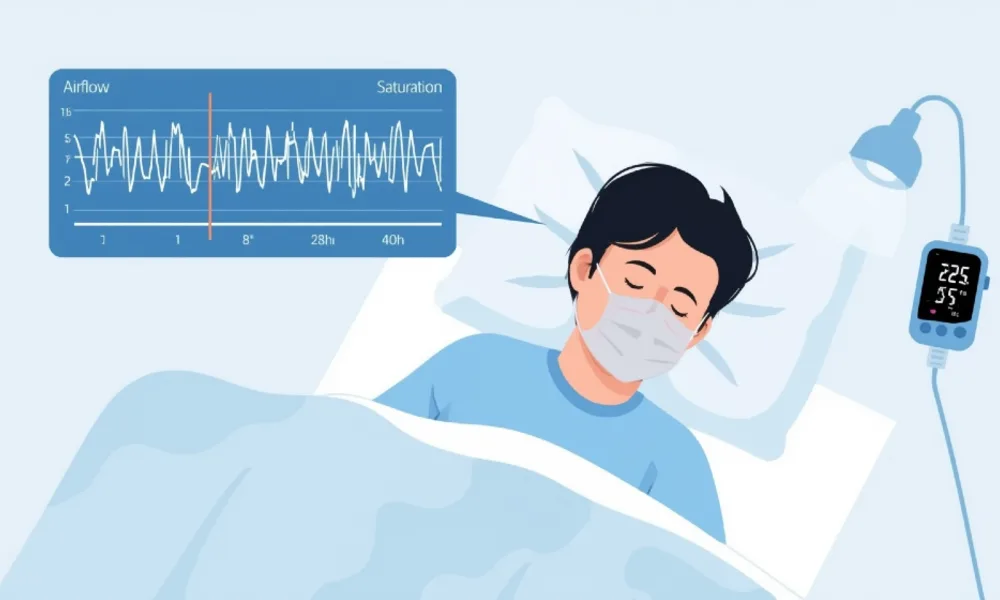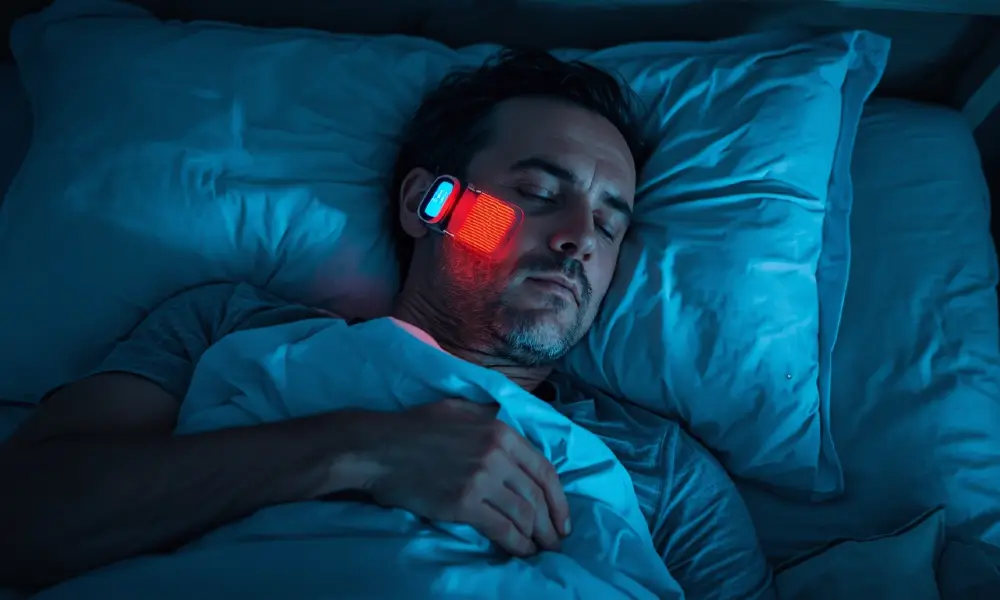
Sleep apnea is a serious sleep disorder that affects millions of people worldwide. It occurs when breathing repeatedly stops and starts during sleep, often leading to fatigue, daytime sleepiness, and other health complications such as high blood pressure, heart disease, or diabetes. Many patients wonder if there is a permanent solution for this condition. At My Health Mart, we aim to provide guidance and solutions to help individuals manage sleep apnea effectively, improving both sleep quality and overall health.
Understanding Sleep Apnea
Sleep apnea comes in three main forms:
-
Obstructive Sleep Apnea (OSA): Caused by blocked or narrowed airways during sleep.
-
Central Sleep Apnea (CSA): Occurs when the brain fails to send proper signals to the muscles that control breathing.
-
Complex Sleep Apnea: A combination of OSA and CSA.
While lifestyle changes and medical devices can help manage symptoms, understanding the root cause is crucial to determining a permanent treatment.
Conventional Treatments for Sleep Apnea
There are several standard approaches to managing sleep apnea:
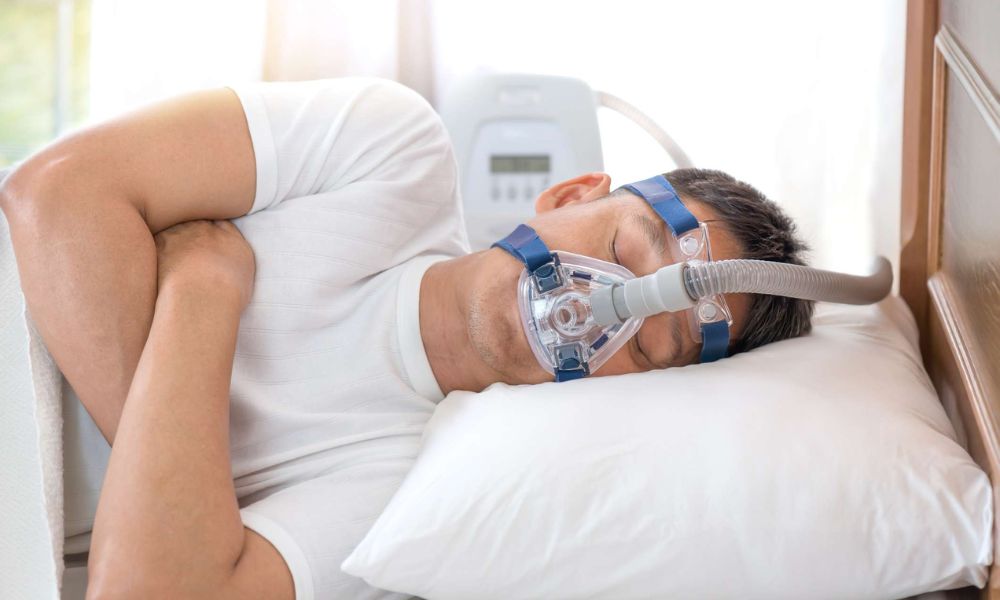
1. Continuous Positive Airway Pressure (CPAP)
CPAP machines are the most common non-surgical treatment. They keep the airway open by providing a steady stream of air through a mask. While effective, CPAP is a long-term management tool rather than a permanent cure.
2. Oral Appliances
Dental devices designed to keep the jaw or tongue in a position that prevents airway blockage can help mild to moderate cases of sleep apnea.
3. Lifestyle Changes
-
Weight management
-
Avoiding alcohol and sedatives
-
Sleeping on your side
These modifications can reduce symptoms but often do not provide a permanent solution on their own.
Permanent Treatment Options for Sleep Apnea
For those seeking a long-term solution, surgical interventions often provide permanent results. The choice of surgery depends on the type and severity of sleep apnea, as well as the patient’s anatomy.
1. Uvulopalatopharyngoplasty (UPPP)
This surgery removes excess tissue from the throat, such as the uvula and soft palate, to widen the airway. It is often recommended for patients with severe OSA who do not respond to CPAP therapy.
2. Genioglossus Advancement (GA)
This procedure repositions the tongue muscle attachment to prevent airway collapse during sleep. It is often combined with UPPP for better results.
3. Maxillomandibular Advancement (MMA)
MMA is a more extensive surgery that repositions the upper and lower jaw forward, enlarging the airway. This procedure has a high success rate in permanently reducing or eliminating sleep apnea.
4. Inspire Therapy (Hypoglossal Nerve Stimulation)
A newer, minimally invasive option, Inspire therapy involves implanting a device that stimulates the tongue muscles to keep the airway open during sleep. It is a long-term solution for patients who cannot tolerate CPAP.
My Health Mart Helps You Manage Sleep Apnea
At My Health Mart, we understand that sleep apnea affects not only sleep but overall health and daily life. While permanent surgical treatments may be necessary in some cases, many patients benefit from a combination of medical devices, lifestyle changes, and professional guidance.
Our services include:
-
Providing information on CPAP machines, oral appliances, and home-based monitoring tools
-
Guidance on surgical options and post-treatment care
-
Support for lifestyle modifications to complement medical treatments
-
24/7 customer assistance to answer questions and ensure patient comfort
By offering a comprehensive approach, My Health Mart helps patients make informed decisions and take control of their sleep health.
Conclusion
While lifestyle changes and medical devices can manage sleep apnea effectively, permanent treatments usually involve surgical interventions such as UPPP, GA, MMA, or advanced therapies like Inspire. Choosing the right treatment depends on individual needs, the severity of the condition, and professional medical advice.
Don’t Miss: Role of Oxygen Concentrators in Home-Based Respiratory Therapy