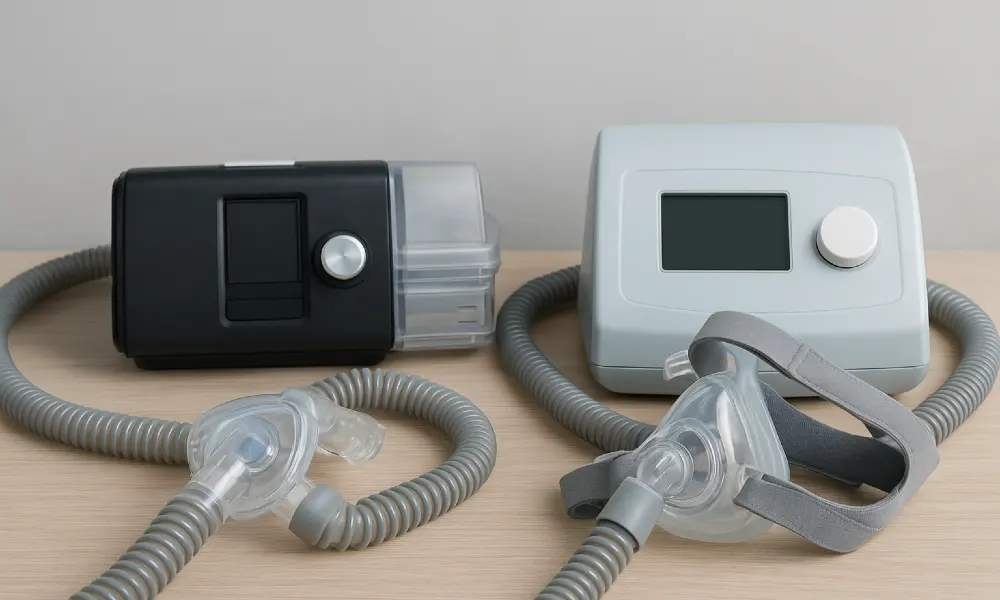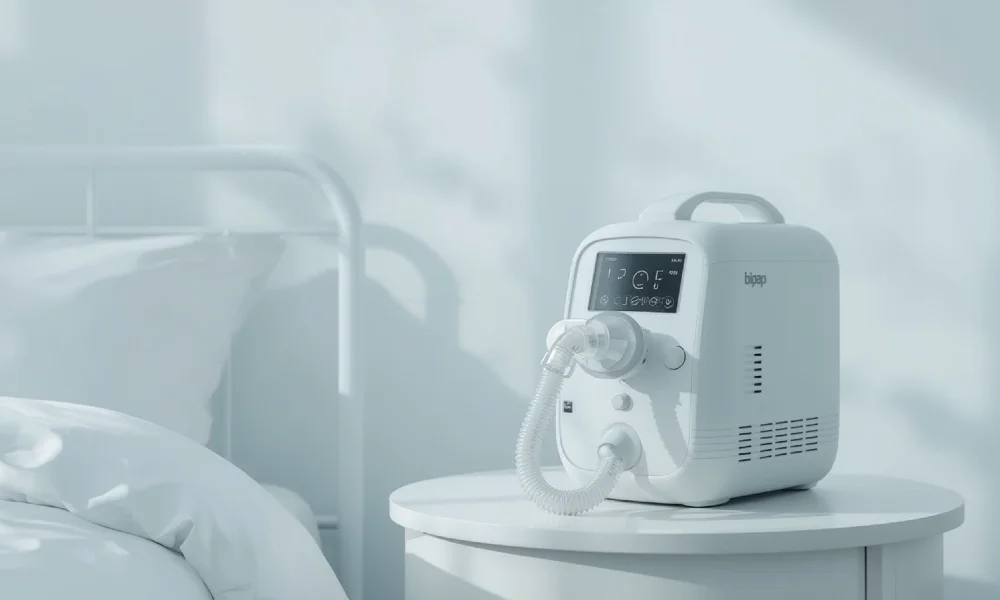
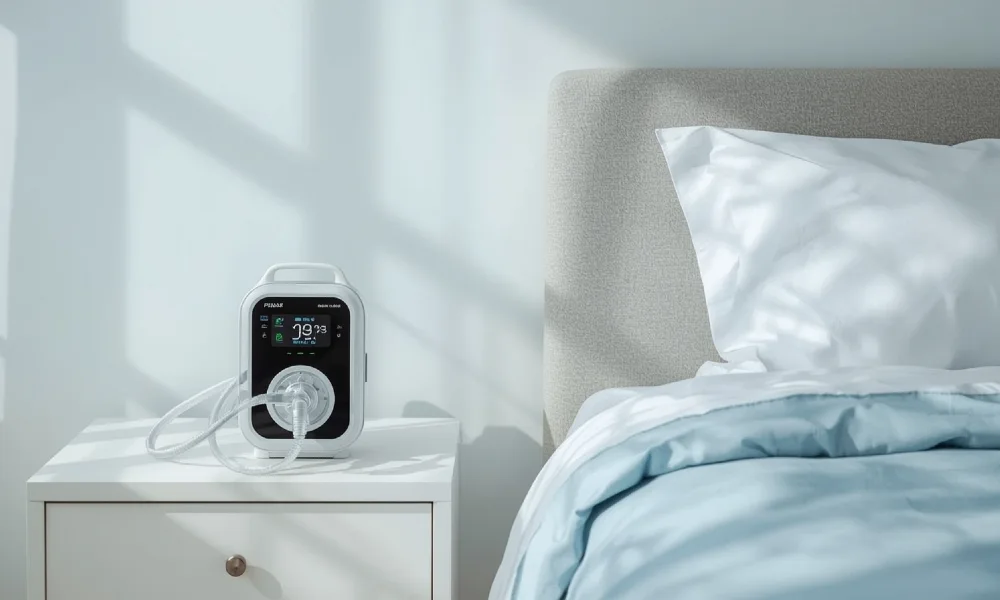
Breathing problems can affect your health, sleep, and overall comfort more than you may realize. Many people experience symptoms for months before understanding that their body is struggling to maintain proper airflow. A BiPAP (Bilevel Positive Airway Pressure) machine is a non-invasive device that supports breathing by providing two levels of air pressure, one for inhalation and a lower one for exhalation.
For individuals with lung disorders, sleep apnea, or chronic breathing difficulties, a BiPAP machine at home can be an essential part of daily health management.
Fast Overview: Key Indicators for BiPAP Machine Need
| Sign | What It Means? | Key Symptoms | Why BiPAP Helps? |
|---|---|---|---|
| Persistent Breathing Difficulty | Lungs struggle to pull in enough air during routine activities. | Shortness of breath, chest tightness, rapid or shallow breathing. | Provides steady airflow and reduces breathing effort for weak lungs. |
| Poor Sleep Quality & Morning Fatigue | Breathing interruptions disrupt sleep and lower oxygen levels. | Snoring, frequent waking, headaches, daytime sleepiness. | Keeps airway open and maintains continuous breathing at night. |
| Chronic Lung Disease (COPD, Emphysema) | Lung function is reduced, making breathing harder every day. | Fatigue, low oxygen, difficulty exhaling fully. | Supports lung muscles and improves oxygen exchange. |
| High Carbon Dioxide Levels (Hypercapnia) | Lungs fail to remove excess CO₂ effectively. | Headaches, confusion, drowsiness, worsening breathlessness. | Pushes out CO₂ and stabilizes airflow and breathing patterns. |
| Recent Hospitalization for Breathing Issues | Lungs may still be weak or unstable after treatment. | Low oxygen levels, fluctuating breathlessness, slow recovery. | Helps maintain oxygen stability and supports recovery at home. |
This blog explains the five major signs that indicate you may need a BiPAP machine at home.
If you want to explore each benefit in detail, just scroll down to read the full explanation.
1. You Experience Ongoing Difficulty in Breathing
If breathing feels harder than usual even during routine activities, it may be a sign that your lungs are not functioning efficiently. People with respiratory issues often experience shortness of breath, especially when walking, climbing stairs, or doing light physical work.
Some common causes include COPD, asthma, lung infections, or muscle-related breathing issues. These conditions reduce the amount of air your lungs can draw in, making simple tasks feel exhausting.
Signs to Observe:
- Frequent episodes of breathlessness during normal activities such as walking or light household tasks.
- A constant feeling of tightness in the chest making inhaling and exhaling uncomfortable.
- Shallow or rapid breathing that requires more effort than usual to maintain airflow.
- Increasing fatigue caused by the body working harder to support the breathing process.
A BiPAP machine can support your breathing muscles by delivering consistent airflow, helping reduce strain on your lungs.
2. You Experience Disturbed Sleep and Feel Tired in the Morning
Poor sleep quality is often linked to breathing interruptions during the night. Many people suffer from sleep-disordered breathing conditions such as obstructive sleep apnea, where the airway collapses or becomes blocked during sleep. These interruptions reduce oxygen levels and force your body to wake repeatedly.
Over time, this leads to severe daytime fatigue, irritability, and reduced concentration. If you wake up feeling unrested even after sleeping for several hours, your breathing patterns during the night may need evaluation.
Symptoms That Indicate Night-Time Breathing Issues:
- Loud snoring accompanied by pauses in breathing that disturb your sleep cycle.
- Frequent awakenings throughout the night without any clear reason or discomfort.
- Morning headaches caused by reduced oxygen levels during long sleep hours.
- Dry mouth or throat in the morning due to mouth breathing through the night.
A BiPAP machine keeps your airway open with stable airflow, allowing you to breathe continuously and sleep without interruptions.
3. You Have Been Diagnosed With COPD or a Chronic Lung Condition
People living with chronic lung diseases often struggle to breathe efficiently due to restricted airflow. Conditions such as COPD, emphysema, bronchitis, pneumonia, or neuromuscular disorders weaken the lungs and respiratory muscles.
These conditions make it harder for your lungs to remove carbon dioxide and take in fresh oxygen. Over time, this increases breathing effort and reduces energy levels.
Why a BiPAP Machine Helps in These Conditions:
- It reduces the workload on weakened respiratory muscles by supporting air movement.
- It improves oxygen exchange inside the lungs during both inhalation and exhalation.
- It helps remove excess carbon dioxide that may accumulate in the body.
- It stabilizes breathing patterns and prevents dangerous drops in oxygen saturation.
For many chronic lung patients, using a BiPAP machine at home becomes an important part of long-term respiratory care.
4. You Have High Carbon Dioxide Levels (Hypercapnia)
Hypercapnia is a condition in which the body retains too much carbon dioxide due to poor ventilation. It is commonly seen in individuals with advanced lung disease, obesity hypoventilation syndrome, or respiratory muscle weakness.
When the lungs cannot expel carbon dioxide effectively, the body experiences symptoms that can become severe if ignored.
Signs That May Indicate Hypercapnia:
- Persistent headaches, especially in the morning, due to increased carbon dioxide retention.
- Unusual drowsiness or sleepiness caused by the body struggling to maintain normal breathing.
- Mental confusion or difficulty focusing as a result of disrupted brain oxygen supply.
- Shortness of breath that worsens even when performing minimal physical activities.
A BiPAP machine helps by creating pressure that pushes out carbon dioxide and allows fresher air to enter the lungs more easily.
5. You Recently Returned Home After Hospitalization for Breathing Problem
Many patients require respiratory support after being discharged from the hospital, especially if they were treated for severe infections, COPD flare-ups, or breathing failure. Recovery at home can be challenging because the lungs may still be weak.
Doctors often recommend the use of a BiPAP machine to support breathing during the recovery phase. It helps stabilize the patient’s condition and prevents sudden drops in oxygen levels.
Benefits of Home BiPAP Use After Hospital Discharge:
- It helps maintain stable oxygen levels while the lungs gradually regain strength.
- It reduces breathing effort, allowing the body to focus on healing and recovery.
- It lowers the risk of hospital readmission by preventing sudden respiratory deterioration.
- It improves sleep quality, which plays a key role in overall recovery and stability.
If you continue to feel breathless after returning home, or if your symptoms fluctuate frequently, using a BiPAP machine may be necessary.
When Should You Consult a Doctor?
A BiPAP machine should only be used after proper medical assessment. If you are experiencing ongoing fatigue, shortness of breath, or poor-quality sleep, you should consult a healthcare professional.
Seek medical advice if:
- Your breathing difficulties are worsening over time instead of improving naturally.
- You frequently feel exhausted during the day even after sleeping at night.
- Your oxygen saturation levels drop during routine activities or rest.
- You have been advised by a doctor to undergo sleep or lung function testing.
A doctor may recommend diagnostic tests such as a sleep study, blood gas test, or lung function test to determine whether a BiPAP machine is suitable for home use.
Wrapping Up
Breathing difficulties, poor-quality sleep, chronic lung conditions, and elevated carbon dioxide levels are all signs that should not be ignored. A BiPAP machine can provide safe and effective support for individuals who need help maintaining stable breathing at home. Recognizing symptoms early and seeking timely medical guidance can prevent complications and improve your overall quality of life. If you or a family member is experiencing any of the signs mentioned in this article, consider discussing the possibility of using a BiPAP machine at home with your healthcare provider.
Don’t Miss: Oxygen Concentrator vs Oxygen Cylinder: Which is Better for Home Use?