In recent years, the demand for oxygen concentrators for home use has increased significantly across Delhi NCR. Rising air pollution levels, respiratory illnesses, post-hospital recovery needs, and an aging population have made oxygen therapy at home a practical and often essential requirement. However, many families still feel confused about what an oxygen concentrator is, how it works, who needs it, and how to choose the right one for home use.
This complete guide is written to answer all those questions in a simple, informative, and easy-to-understand manner. Whether you are a caregiver, a patient, or someone planning ahead for medical needs, this guide will help you make a confident and informed decision.
What Is an Oxygen Concentrator?
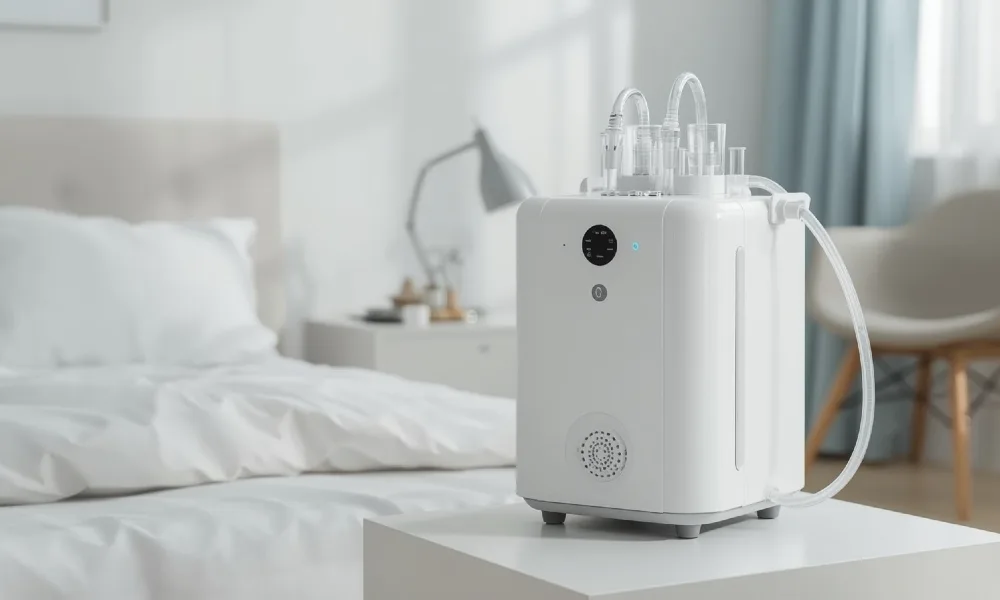
An oxygen concentrator is a medical device designed to provide supplemental oxygen to individuals who have difficulty maintaining adequate oxygen levels on their own. Unlike oxygen cylinders that store oxygen under pressure, an oxygen concentrator works by drawing in air from the surrounding environment, filtering out nitrogen, and delivering concentrated oxygen to the user.
For home use in Delhi NCR, oxygen concentrators are preferred because they provide a continuous supply of oxygen without the need for frequent refilling or replacement, which can be challenging in busy urban areas.
Why Oxygen Concentrators Are Important in Delhi NCR?
Delhi NCR faces unique environmental and health challenges. Air quality often reaches hazardous levels, especially during winter months. Long-term exposure to polluted air can worsen existing respiratory conditions such as asthma, COPD, and bronchitis.
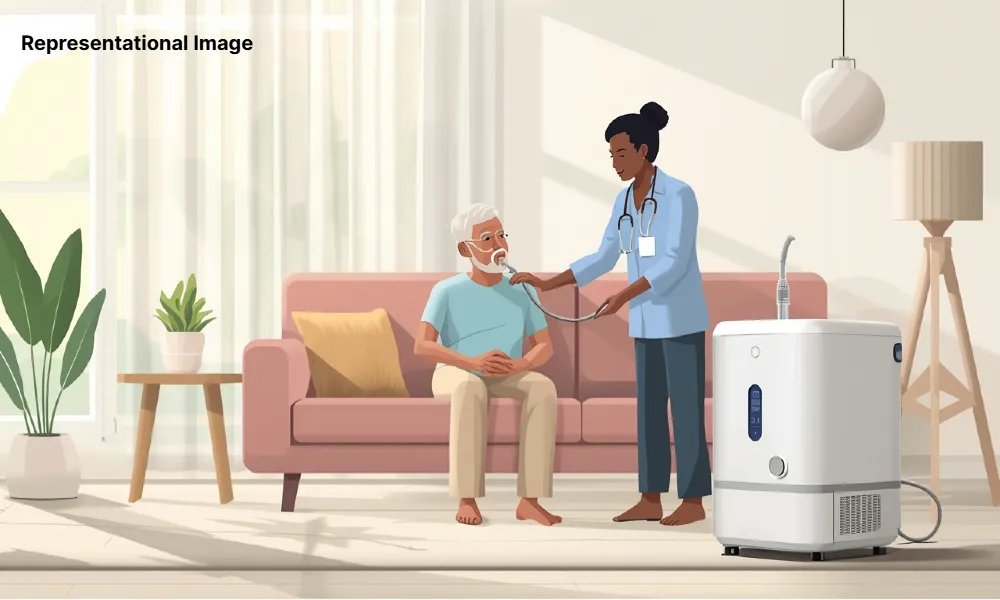
Additionally, Delhi NCR has a large population of senior citizens and patients recovering from illnesses that affect lung capacity. Home-based oxygen therapy helps these individuals avoid repeated hospital visits while maintaining comfort and safety in familiar surroundings.
Who Needs an Oxygen Concentrator at Home?
Oxygen concentrators are commonly prescribed by doctors for patients who require supplemental oxygen over extended periods. Some common conditions include:
Chronic Obstructive Pulmonary Disease (COPD), where airflow limitation makes breathing difficult
- Asthma patients with severe or recurring symptoms
- Post-COVID recovery patients are experiencing low oxygen saturation
- Pneumonia and other lung infections
- Pulmonary fibrosis and interstitial lung disease
- Heart failure patients with reduced oxygen levels
- Elderly individuals with age-related respiratory weakness
It is important to note that oxygen concentrators should be used based on medical advice, including the recommended oxygen flow rate and duration.
How an Oxygen Concentrator Works at Home?
Understanding how the device works helps users feel more confident and safe. An oxygen concentrator pulls in ambient air using a built-in compressor. The air then passes through a series of filters and sieve beds that remove nitrogen. The remaining oxygen, typically concentrated to around 90–95%, is delivered to the patient through a nasal cannula or mask.
For home use, concentrators are plugged into a standard electrical outlet and can run continuously for several hours or even 24/7, depending on the model.
Types of Oxygen Concentrators for Home Use
Stationary Oxygen Concentrators
Stationary or home oxygen concentrators are specifically built to be used indoors, providing a reliable and continuous oxygen supply within a home environment. They usually provide higher oxygen flow rates, making them suitable for patients with moderate to severe oxygen requirements. These machines are larger, heavier, and intended to stay in one place.
Portable Oxygen Concentrators
Portable oxygen concentrators are lighter and designed for mobility. While they are often used for travel, some users in Delhi NCR prefer them for short durations or backup use. However, they usually offer lower oxygen flow compared to stationary models.
For most long-term home oxygen therapy needs, stationary concentrators are the preferred choice.
Oxygen Flow Rates Explained
One of the most important factors when choosing an oxygen concentrator is the flow rate, measured in liters per minute (LPM).
Low-flow concentrators typically deliver up to 3 LPM and are suitable for patients with mild oxygen needs.
Medium-flow concentrators deliver up to 5 LPM and are commonly used in home settings.
High-flow concentrators can deliver up to 10 LPM and are prescribed for patients with higher oxygen demands.
The correct flow rate should always be determined by a healthcare professional based on oxygen saturation levels.
Key Features to Look for in a Home Oxygen Concentrator
When buying or renting an oxygen concentrator in Delhi NCR, certain features can significantly impact usability and comfort.
Noise level is important, especially for night-time use. Quieter machines improve sleep quality.
Power consumption matters in areas with frequent electricity usage. Energy-efficient models help reduce long-term costs.
Oxygen purity indicators ensure the device is delivering the correct oxygen concentration.
Alarm systems alert users in case of power failure, low oxygen purity, or technical issues.
Ease of maintenance, including washable filters, makes daily use more convenient.
Oxygen Concentrator vs Oxygen Cylinder
Many people still wonder whether they should use an oxygen cylinderhttps://myhealthmart.in/oxygen-cylinder/ or an oxygen concentrator at home.
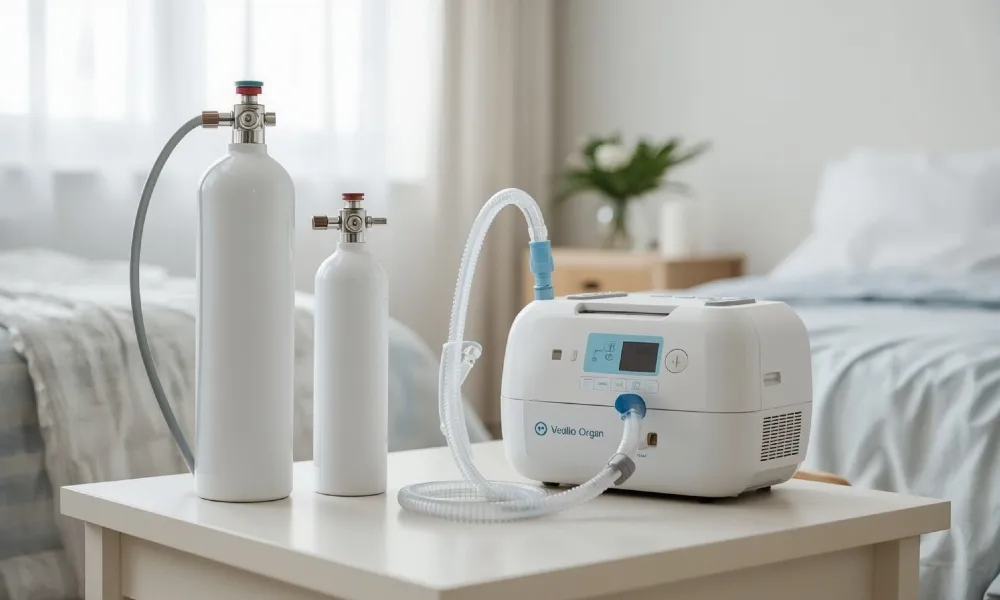
Oxygen cylinders store a fixed amount of oxygen and require refilling once empty. They are heavy, occupy more space, and can be difficult to manage in apartments. Oxygen concentrators, on the other hand, generate oxygen continuously as long as power is available.
For long-term home use in Delhi NCR, oxygen concentrators are generally more economical, convenient, and reliable than cylinders.
Electricity and Power Backup Considerations
Since oxygen concentrators rely on electricity, power availability is an important factor in Delhi NCR homes. Most concentrators consume about the same power as a household appliance like a refrigerator.
For added safety, many families choose to keep a small backup oxygen cylinder or an inverter connection for use during power cuts. Some advanced models also come with battery backup features.
Maintenance and Daily Care of Oxygen Concentrators
Proper maintenance ensures consistent performance and longer device life. Most home oxygen concentrators require minimal daily care.
Filters need to be cleaned regularly or replaced on schedule according to the manufacturer’s instructions to ensure proper performance.
The device should be kept in a well-ventilated area with enough space around it.
Tubing and nasal cannulas should be cleaned and replaced periodically for hygiene.
Regular servicing helps maintain oxygen purity and device efficiency.
Following these simple steps can prevent unexpected breakdowns and ensure an uninterrupted oxygen supply.
Safety Tips for Using Oxygen Concentrators at Home
Oxygen supports combustion, so safety precautions are essential.
- Do not smoke or allow any open flames in the vicinity of the oxygen concentrator.
- Keep the device away from heat sources such as gas stoves.
- Do not use oil-based products near the oxygen outlet or nasal cannula.
- Make sure the room where the device is operating has adequate airflow and proper ventilation.
Educating family members about these safety measures is equally important.
Buying vs Renting an Oxygen Concentrator in Delhi NCR
Many people in Delhi NCR face the decision of whether to buy or rent an oxygen concentrator.
Buying is suitable for long-term oxygen therapy needs and offers cost savings over time.
Renting is ideal for short-term recovery, post-surgery needs, or temporary medical conditions.
Both options are widely available across Delhi, Noida, Gurugram, Faridabad, and Ghaziabad. The choice depends on medical requirements, duration of use, and budget.
Cost of Oxygen Concentrators in Delhi NCR
The cost of an oxygen concentrator varies depending on brand, capacity, and features.
Basic models with lower flow rates are more affordable and suitable for mild needs.
High-flow models with advanced alarms and durability come at a higher price.
While the initial cost may seem significant, oxygen concentrators often prove economical compared to repeated cylinder refills or extended hospital stays.
How to Choose the Right Oxygen Concentrator for Home Use?
Choosing the right device requires careful consideration.
Start with a doctor’s prescription specifying flow rate and usage duration.
Assess space availability and noise tolerance at home.
Consider electricity stability and backup options.
Evaluate after-sales support and service availability in Delhi NCR.
Making an informed choice ensures comfort, safety, and peace of mind for both patients and caregivers.
Role of Doctors and Monitoring Oxygen Levels
Using an oxygen concentrator does not replace medical supervision. Consistently checking oxygen saturation levels with a pulse oximeter is crucial for safe and effective oxygen therapy. Doctors may adjust oxygen flow based on symptoms, activity level, and recovery progress.
Never change prescribed oxygen settings without consulting a healthcare professional.
Future of Home Oxygen Therapy in Delhi NCR
With advancements in medical technology and increasing awareness, home oxygen therapy is becoming more accessible and reliable. Compact designs, energy efficiency, and improved oxygen purity standards are making concentrators safer and easier to use.
For Delhi NCR residents, this means better quality of life, reduced hospital dependency, and greater control over respiratory health.
Wrapping Up
An oxygen concentrator for home use in Delhi NCR is more than just a medical device; it is a lifeline for individuals who need consistent oxygen support. Understanding how it works, who needs it, and how to choose the right model can make a significant difference in patient comfort and recovery.
By focusing on medical guidance, safety, maintenance, and proper usage, families can confidently manage oxygen therapy at home. Whether for long-term respiratory care or short-term recovery, oxygen concentrators have become an essential part of modern home healthcare in Delhi NCR.
Don’t Miss: What are the 3 Levels of ICU?