
When a loved one requires long-term intensive care, families often face a difficult decision: whether to continue treatment in a hospital ICU or shift to home ICU care. Both options have their advantages, but the right choice depends on the patient’s condition, comfort, and family circumstances.
In this blog, we’ll help you understand the differences between Home ICU Care and Hospital ICU Care, their benefits, limitations, and how to decide which option best suits long-term patients.
Understanding ICU Care
ICU stands for Intensive Care Unit, a specialized medical area where patients with severe or life-threatening illnesses receive continuous monitoring and advanced medical support.
Traditionally, this level of care was available only in hospitals. However, with modern technology and trained healthcare professionals, ICU setups at home have become a reliable alternative, especially for long-term care needs.
What Is Home ICU Care?
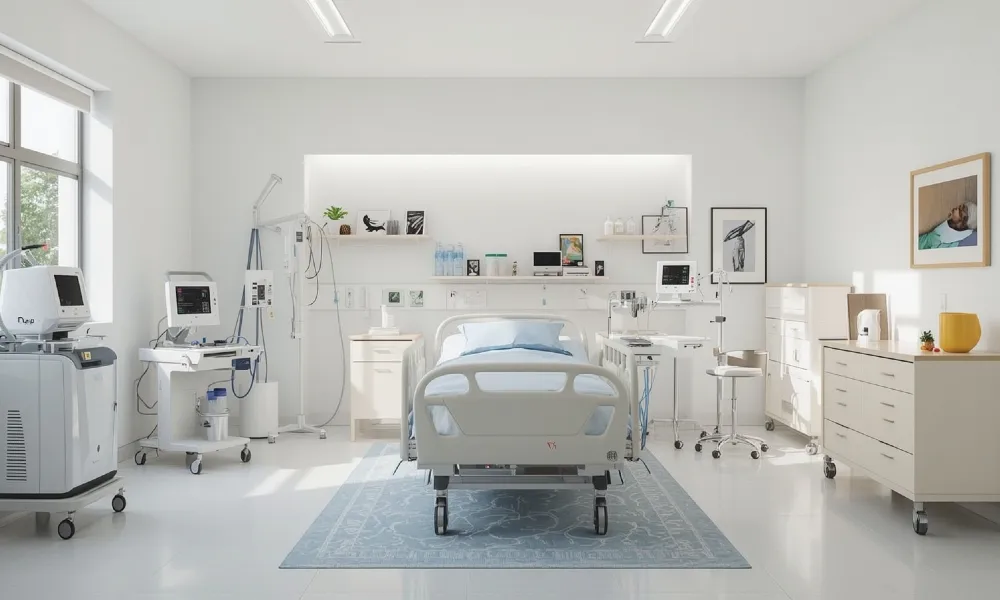
Home ICU Care involves setting up ICU-like facilities at the patient’s residence. Medical equipment such as a ventilator, oxygen concentrator, monitor, suction machine, and infusion pump are installed at home, along with round-the-clock nursing care and remote doctor supervision.
This setup replicates a hospital ICU environment, providing the patient with intensive care without the stress of a hospital stay.
Key Components of Home ICU Care:
- ICU bed with medical monitoring equipment
- Oxygen support and a ventilator if needed
- Qualified nurse and attendant on a shift basis
- 24×7 doctor monitoring (in-person or virtual)
- Emergency medical backup
What Is Hospital ICU Care?
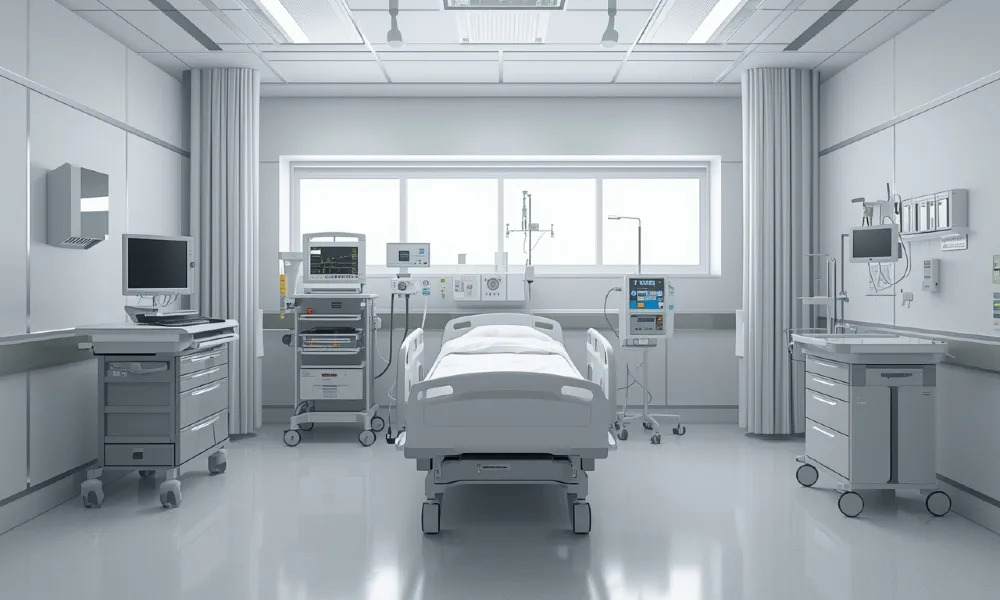
Hospital ICUs are dedicated sections of hospitals equipped with advanced technology and a full medical team. Patients in critical conditions, such as after surgery, during severe infections, or with organ failure, are treated here under continuous medical supervision.
Hospital ICU Features:
- High-end monitoring systems and life-support machines
- On-site specialists and emergency response team
- Laboratory and diagnostic facilities
- Controlled sterile environment
Hospital ICUs are essential for short-term intensive treatment or during emergencies. However, for long-term or stable patients, prolonged hospital stays can be challenging for both health and finances.
Home ICU Care vs. Hospital ICU: Key Differences
Let’s look at some key factors that differentiate both options and how they impact long-term care.
| Aspect | Home ICU Care | Hospital ICU Care |
|---|---|---|
| Medical Supervision | Continuous nurse care with remote doctor monitoring | On-site doctors and specialists available 24×7 |
| Cost | More affordable; saves up to 60–70% for long-term care | High daily charges and hospital service fees |
| Comfort | Patient stays at home with family support | Isolated and clinical environment |
| Infection Risk | Lower; controlled home environment | Higher; exposure to other patients and hospital infections |
| Family Involvement | Family members can stay close and assist | Limited visiting hours and contact |
| Equipment | Portable ICU equipment suitable for stable patients | Advanced machines for critical and unstable cases |
| Emergency Handling | Emergency backup available via healthcare provider | Immediate medical response available on-site |
| Best For | Stable, long-term, or palliative care patients | Critical or unstable patients needing intensive treatment |
For critical or unstable patients, hospitals remain the safer option.
When Is Home ICU Care Suitable?
Home ICU care is ideal for patients who are medically stable but need extended medical support.
Common Situations Include:
- Post-surgery recovery requiring prolonged observation
- Long-term ventilator or oxygen therapy
- Neurological conditions such as stroke or coma
- Terminal or palliative care
- Elderly patients needing chronic illness management
With proper medical planning and equipment, these patients can continue treatment comfortably at home.
When Is Hospital ICU Necessary?
Hospital ICUs are essential when patients need constant specialist supervision, complex medical procedures, or emergency interventions.
Hospital ICU Is Recommended For:
- Patients in unstable or critical condition
- Severe infections or organ failure cases
- Situations needing advanced diagnostic support
- Cases with unpredictable complications
If the patient’s condition fluctuates frequently, hospital ICU remains the best choice.
Benefits of Home ICU Care for Long-Term Patients
Home ICU care offers several advantages beyond cost savings and comfort:
- Customized Care Plan: Tailored according to the patient’s medical needs.
- Reduced Stress: No hospital noise or interruptions.
- Better Sleep and Nutrition: Patients eat home-cooked food and rest in their own space.
- Continuous Monitoring: Nurses and remote doctors ensure health parameters are tracked in real-time.
- Family Support: Emotional presence of family members encourages healing.
Challenges in Home ICU Care
While beneficial, home ICU care also comes with certain challenges:
- Limited immediate emergency support compared to hospitals
- Need for trained medical staff to avoid mistakes
- Proper hygiene and safety protocols must be maintained at all times
To overcome these issues, it’s essential to choose a trusted and experienced home healthcare provider that offers professional ICU setup and continuous monitoring.
Making the Right Choice
Choosing between Home ICU Care and Hospital ICU depends on several factors:
- The patient’s current medical stability
- The duration of care required
- Availability of family caregivers
- Budget and convenience
If the patient is stable and requires long-term monitoring, a home ICU setup can be a better choice. However, for critical or unstable conditions, the hospital ICU remains irreplaceable.
How My Health Mart Can Help
At My Health Mart, we specialize in providing ICU Setup at Home in Delhi, designed for long-term patient care. Our services include advanced medical equipment, trained nurses, and 24×7 doctor supervision, ensuring hospital-like care in the comfort of your home.
We understand that every patient’s journey is unique, which is why we create personalized home ICU plans that focus on comfort, safety, and recovery.
Final Thoughts
Both Home ICU Care and Hospital ICU play important roles in patient recovery. The right choice depends on the medical condition and care requirements.
For long-term patients who are stable but still need medical support, home ICU care offers a balanced combination of professional healthcare, emotional comfort, and affordability.
With the right provider like My Health Mart, families can ensure their loved ones receive compassionate, hospital-grade care without leaving home.