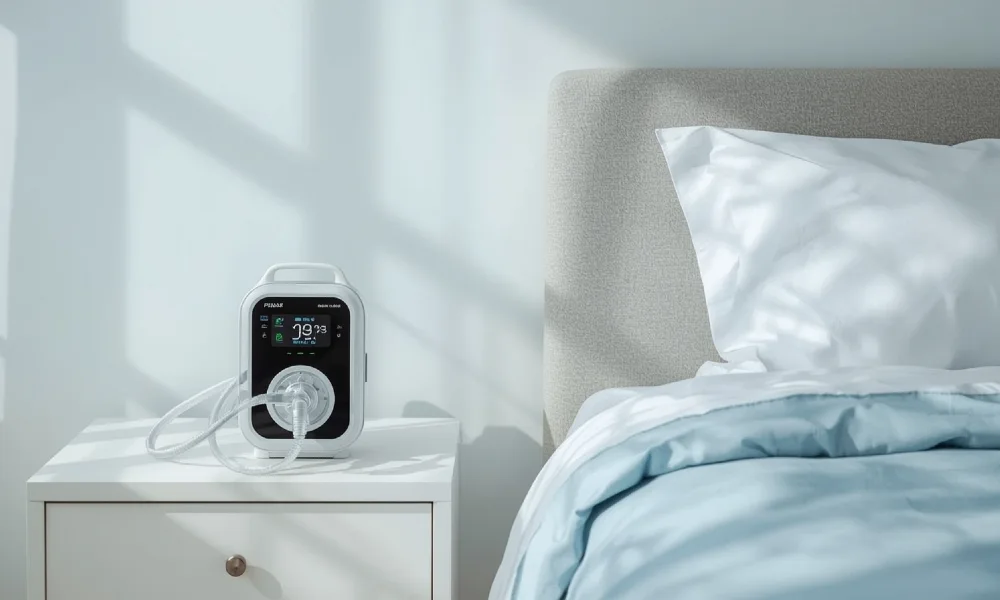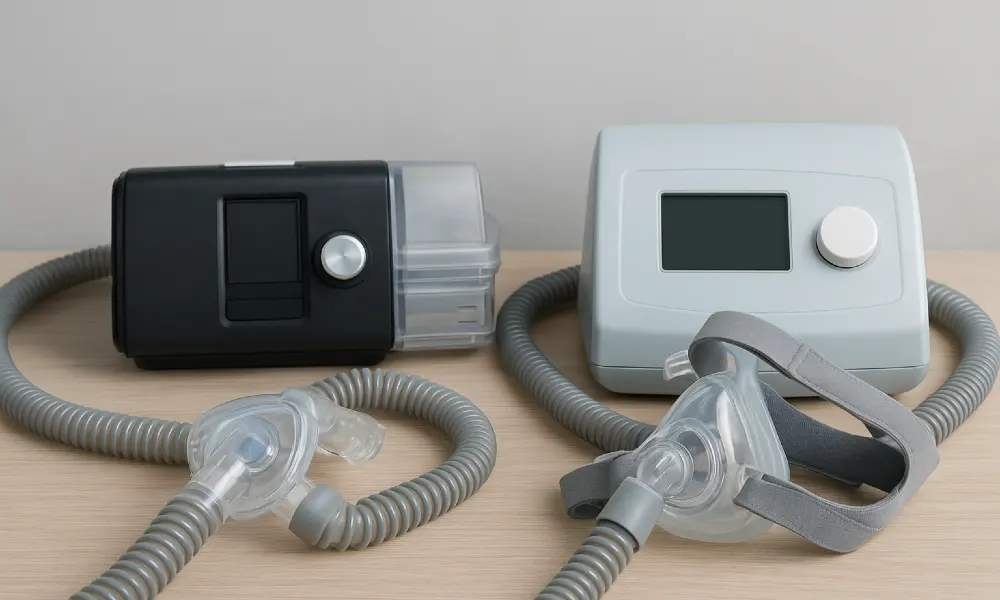
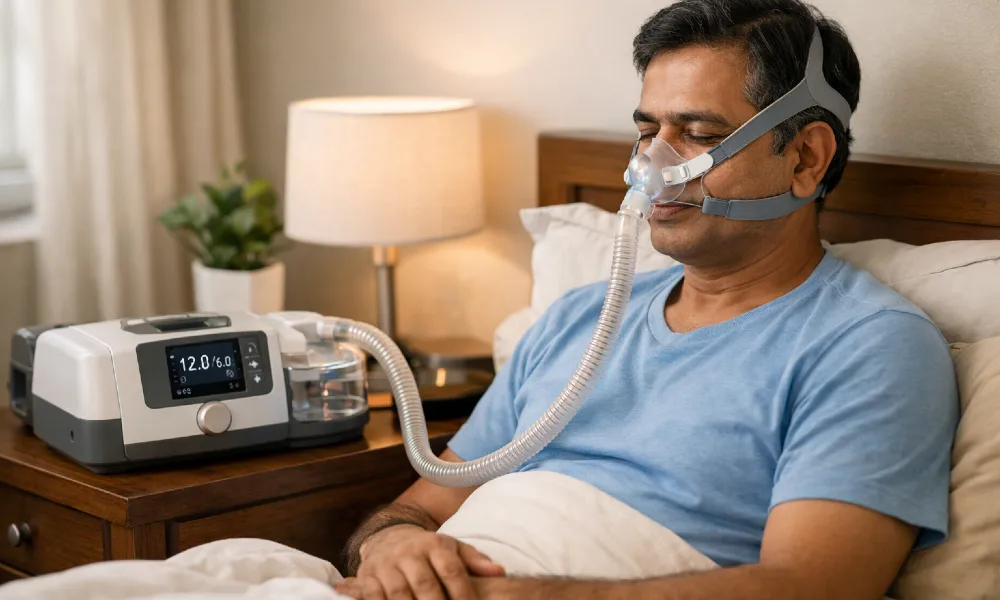
Respiratory health is crucial for living a healthy and active life, and for individuals with conditions like sleep apnea, COPD (Chronic Obstructive Pulmonary Disease), or post-surgery recovery needs, a BiPAP (Bilevel Positive Airway Pressure) machine can be life-changing. But when it comes to obtaining a BiPAP machine, one common question arises: Should you rent or buy?
Both options have advantages and drawbacks, and choosing the right one can affect not just your therapy effectiveness but also your financial and lifestyle decisions. In this guide, we’ll break down everything you need to know to make an informed choice.
What Is a BiPAP Machine?
A BiPAP machine is a non-invasive ventilator that assists breathing by providing two levels of pressure
IPAP (Inspiratory Positive Airway Pressure): Helps you inhale more easily.
EPAP (Expiratory Positive Airway Pressure): Makes exhaling easier and reduces respiratory effort.
Unlike CPAP machines, which deliver constant pressure, BiPAP machines adjust pressure with your natural breathing patterns. This makes them particularly suitable for people who struggle with regular CPAP therapy, or for patients with chronic respiratory conditions.
Understanding the Costs
Before deciding between renting or buying, it’s important to understand the cost differences:
BiPAP Machine Purchase Cost
Buying a BiPAP machine involves a one-time investment, which depends on the model and features:
- Basic BiPAP: ₹25,000 – ₹40,000
- Intermediate Models (Auto-adjusting): ₹40,000 – ₹80,000
- Advanced/Smart Models: ₹80,000 – ₹1,50,000
Additional costs can include masks, tubing, filters, and maintenance, which should also be factored in.
BiPAP Machine Rental Costs
Renting a BiPAP machine is a more flexible and affordable short-term option, with costs typically ranging:
- Basic Machines: ₹2,500 – ₹3,500 per month
- Mid-range Machines: ₹4,000 – ₹6,000 per month
- Advanced Models: ₹7,000 – ₹15,000 per month
Most rental services also provide maintenance, replacement, and accessories, reducing stress for patients and caregivers.
Renting a BiPAP Machine: Advantages and Disadvantages
Advantages of Renting
- Lower Initial Investment: No large upfront payment is required, making it accessible for most families.
- Ideal for Short-term Use: Perfect for post-hospital recovery or temporary respiratory therapy.
- Access to Advanced Machines: Rental services often provide higher-end models without the full purchase price.
- Maintenance Included: Rental providers usually handle repairs, servicing, and replacements.
- Flexibility: You can try different models or upgrade if needed, without buying a new device.
Disadvantages of Renting
- Cumulative Costs: Long-term rentals can become more expensive than buying.
- No Ownership: You don’t own the machine and cannot customize it extensively.
- Limited Accessories: Some rental units come with basic accessories only.
- Dependence on Provider: Service quality depends on the rental company.
- Buying a BiPAP Machine: Advantages and Disadvantages
Advantages of Buying
- Long-Term Savings: If you require therapy for years, buying is cost-effective over time.
- Full Ownership: You can customize the machine with masks, tubing, humidifiers, and other accessories.
- No Restrictions: Use the machine whenever needed without worrying about rental contracts.
- Resale Value: You can sell your machine later if you upgrade to a newer model.
Disadvantages of Buying
- High Upfront Cost: Purchase requires significant financial outlay.
- Maintenance Responsibility: Repairs and servicing after warranty are your responsibility.
- Risk of Obsolescence: Technology evolves, and your machine may become outdated over time.
Short-Term vs Long-Term Therapy: Which Is Right for You?
- Short-Term Use: If your need is temporary, such as post-surgery recovery or trial therapy, renting is usually the better choice. You avoid high upfront costs and gain flexibility to switch or upgrade machines if required.
- Long-Term Use: For patients with chronic conditions like lifelong sleep apnea or COPD, buying may be more cost-effective. Ownership allows you to invest in a machine that you can use for years with full control over settings and accessories.
- Transitional Needs: If you are unsure about long-term therapy or want to test your response to BiPAP treatment, renting first can help you make an informed decision before committing to a purchase.
Tips Before You Rent or Buy
- Consult Your Doctor: Therapy settings and medical guidance are crucial to choose the right machine.
- Check Rental Terms: Understand duration, maintenance, replacement, deposits, and accessories.
- Compare Features: Look beyond price; consider auto-adjusting technology, humidifiers, noise levels, and brand reliability.
- Check Warranty: If buying, ensure warranty and service options are included.
- Evaluate Long-Term Needs: Consider therapy duration and personal comfort before deciding.
Cost Comparison: Rental vs Purchase Over Time
Let’s assume a patient needs BiPAP therapy for 3 years:
- Renting: ₹4,000/month × 36 months = ₹1,44,000
- Buying: ₹80,000 (one-time) + ₹15,000 for accessories and maintenance = ₹95,000
From this example, long-term purchase can save money, while short-term rental keeps initial costs low and flexible.
Which Is Best?
There is no universal answer; your choice depends on therapy duration, budget, and personal preference:
- Rent if: You need temporary therapy, want to try BiPAP first, or want lower upfront costs.
- Buy if: You need long-term therapy, want full ownership, and plan to customize your setup.
The most important factor is to ensure you have the right machine, proper settings, and support for effective therapy.
Final Thoughts
Choosing between renting and buying a BiPAP machine is more than a financial decision; it affects your comfort, compliance, and overall respiratory health. By considering your short-term needs, long-term requirements, and budget, you can make the choice that best supports your well-being.
Remember, a consultation with your healthcare provider is always the first step in ensuring safe and effective therapy.
Don’t Miss: Essential Equipment Required for ICU Setup at Home