Living with Chronic Obstructive Pulmonary Disease (COPD) can be physically exhausting and emotionally challenging, often affecting even the simplest daily activities. Breathlessness, fatigue, disturbed sleep, and frequent hospital visits slowly become part of daily life. For patients and families, one common question often arises during doctor visits or late-night internet searches:
“Is BiPAP good for COPD patients?”
The short answer is yes, BiPAP can be invaluable for many COPD patients—but only when used correctly and for the right reasons. In this blog, we’ll explore what BiPAP therapy is, how it works, when it is recommended, its benefits, limitations, and what COPD patients should realistically expect from it.
This guide is written in a calm, easy-to-understand tone to help patients, caregivers, and families make informed decisions with confidence.
Understanding COPD in Simple Terms
COPD is a long-term lung condition that includes diseases like chronic bronchitis and emphysema. Over time, the airways become inflamed or damaged, making it harder to breathe.
Common symptoms include:
- Shortness of breath (especially during activity)
- Persistent cough
- Excess mucus production
- Chest tightness
- Frequent respiratory infections
- Poor sleep and morning headaches
As COPD progresses, breathing becomes more exhausting. The lungs struggle to push out carbon dioxide and pull in enough oxygen. This is where breathing support devices like BiPAP come into the picture.
What Is BiPAP?
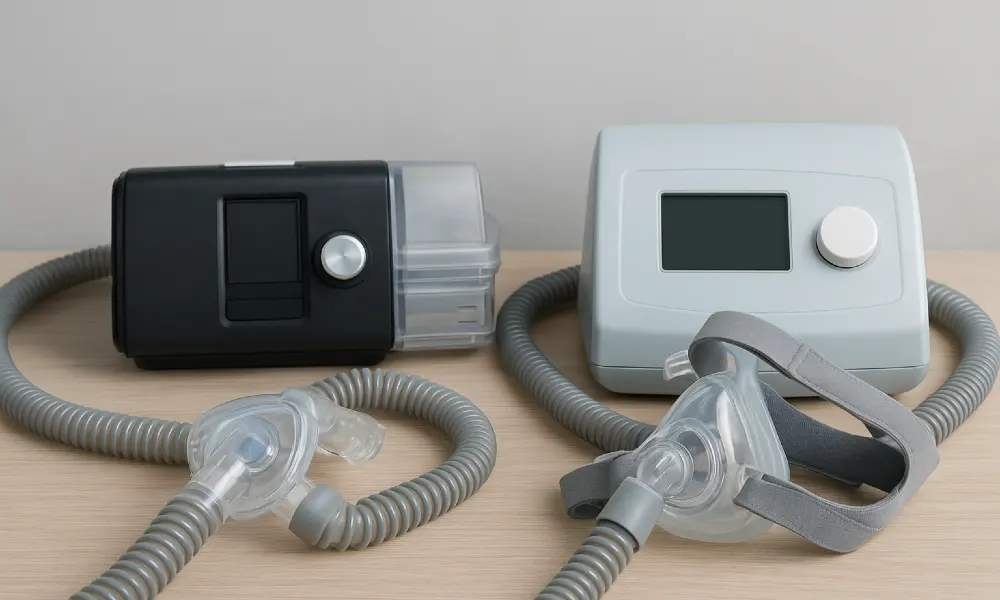
BiPAP stands for Bilevel Positive Airway Pressure. It is a non-invasive ventilation therapy that helps patients breathe more comfortably.
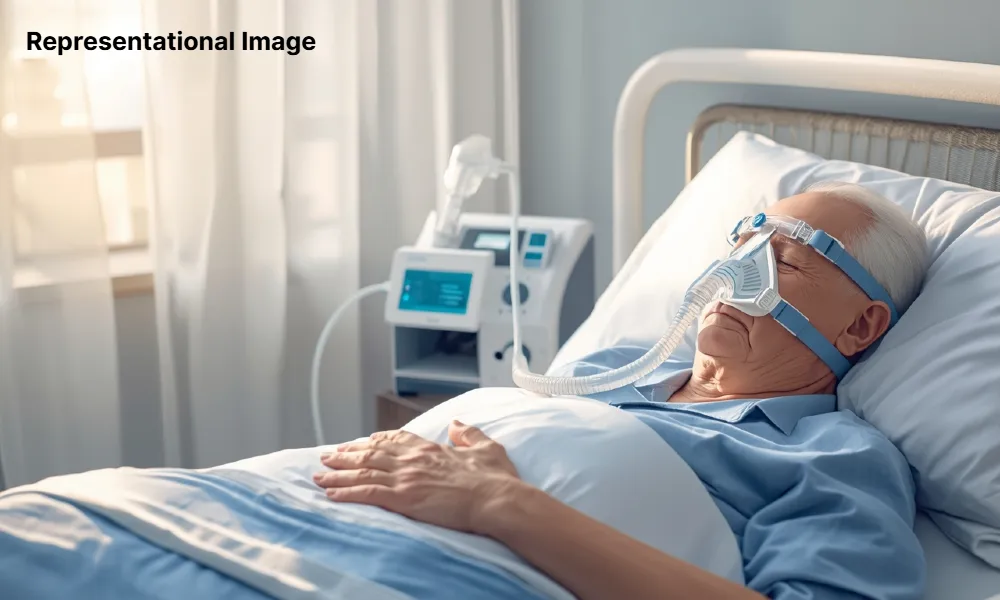
Unlike ventilators that require tubes inserted into the windpipe, BiPAP uses a mask that fits over the nose or nose and mouth.
How BiPAP Works?
BiPAP delivers air at two different pressure levels:
- Higher pressure when you inhale – he
- lps lungs take in air easily
- Lower pressure when you exhale – makes breathing out more comfortable
This pressure support reduces the effort required to breathe and allows the lungs to function more efficiently.
BiPAP vs CPAP: What’s the Difference?
Many people confuse BiPAP with CPAP, so it’s important to understand the distinction.
| Feature | CPAP | BiPAP |
|---|---|---|
| Pressure Levels | Single constant pressure | Two different pressures |
| Best For | Sleep apnea | COPD, respiratory failure |
| Comfort Level | Can feel restrictive | Easier breathing |
| Exhalation | Against pressure | Lower pressure |
COPD patients usually benefit more from BiPAP because exhaling against high pressure can be difficult for damaged lungs.
Is BiPAP Good for COPD Patients?
Yes, BiPAP is widely used and clinically proven to help COPD patients, especially during moderate to severe stages of the disease.
However, it’s not a cure. Instead, BiPAP acts as a support system, giving the lungs some rest and helping maintain healthier oxygen and carbon dioxide levels.
When Is BiPAP Recommended for COPD?
BiPAP is typically recommended in the following situations:
1. During COPD Exacerbations
A COPD exacerbation is a sudden worsening of symptoms, often caused by infection or pollution.
BiPAP helps by:
- Improving oxygen levels
- Reducing carbon dioxide buildup
- Preventing respiratory failure
- Avoiding intubation in many cases
2. Chronic Respiratory Failure
When COPD becomes severe, the lungs may fail to remove carbon dioxide effectively.
BiPAP supports breathing during:
- Nighttime sleep
- Extended resting periods
- Post-hospital recovery
3. Sleep-Related Breathing Problems
Many COPD patients suffer from overlap syndrome, which includes sleep apnea.
Using BiPAP at night can:
- Improve sleep quality
- Reduce morning headaches
- Decrease nighttime breathlessnessIn advanced COPD, BiPAP can improve comfort and ease breathing without aggressive interventions.
Key Benefits of BiPAP for COPD Patients
- Makes Breathing Easier: BiPAP reduces the effort needed to breathe, especially during flare-ups or at night.
- Improves Oxygen and CO₂ Balance: It helps oxygen enter the lungs and assists in removing carbon dioxide efficiently.
- Reduces Hospital Admissions: Studies show that BiPAP can lower the risk of repeated hospitalizations.
- Improves Sleep Quality: Better breathing at night leads to deeper, more restful sleep.
- Decreases Need for Intubation: BiPAP often prevents the need for invasive ventilation during acute episodes.
- Enhances Quality of Life: Less breathlessness means more energy for daily activities and better emotional well-being.
Can BiPAP Be Used at Home for COPD?
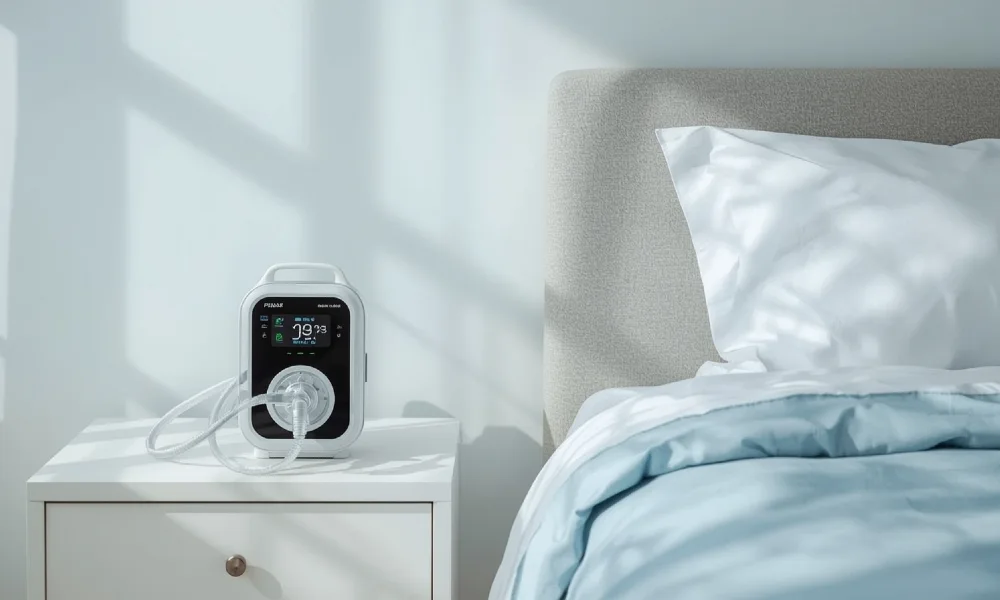
Yes, many COPD patients use BiPAP machines at home, especially at night.
Home BiPAP therapy is beneficial when:
- Prescribed by a pulmonologist
- Proper settings are adjusted
- Mask fits comfortably
- Patient receives training
Regular follow-ups are essential to ensure correct pressure levels and effective therapy.
Are There Any Side Effects or Risks?
BiPAP is generally safe, but some patients may experience mild issues, especially during the initial adjustment period.
Common Side Effects
- Dry mouth or nasal dryness
- Skin irritation from the mask
- Bloating (air swallowing)
- Mild discomfort initially
These issues are usually manageable with:
- Humidifiers
- Mask adjustments
- Gradual adaptation
Who Should Be Careful?
BiPAP may not be suitable for patients who:
- Cannot remove the mask independently
- Have severe facial injuries
- Experience frequent vomiting
- Are not fully conscious
Always consult a healthcare professional before starting therapy.
How Long Should a COPD Patient Use BiPAP?
There is no one-size-fits-all answer.
Some patients use BiPAP:
- Only during exacerbations
- At night while sleeping
- For several hours daily
- Long-term as disease progresses
Duration depends on:
- Severity of COPD
- Blood gas levels
- Comfort and tolerance
- Doctor’s recommendations
Does BiPAP Cure COPD?
No, BiPAP does not cure COPD.
COPD is a progressive disease, but BiPAP:
- Slows symptom progression
- Prevents complications
- Improves breathing comfort
- Supports lung function
Think of BiPAP as a breathing partner, not a replacement for lungs or medications.
BiPAP Along With Other COPD Treatments
BiPAP works best when combined with:
- Bronchodilators
- Inhaled steroids
- Oxygen therapy (if needed)
- Pulmonary rehabilitation
- Smoking cessation
- Proper nutrition and exercise
A combined approach delivers the best results.
Emotional Impact of Using BiPAP
Many patients initially feel anxious or hesitant about wearing a mask.
This is completely normal.
With time:
- Confidence increases
- Breathing improves
- Dependence fear reduces
- Comfort becomes routine
Support from family and education makes a big difference in acceptance.
Tips for COPD Patients Using BiPAP
Start with short sessions and increase gradually
Use the machine during calm breathing moments
- Keep the mask clean
- Report discomfort early
- Stay consistent with usage
- Follow medical advice strictly
Final Thoughts
Yes, BiPAP is a valuable and life-improving therapy for many COPD patients. It eases breathing, supports lung function, improves sleep, and reduces hospital visits.
While it is not a cure, BiPAP offers comfort, stability, and better quality of life when used appropriately and under medical guidance.
For COPD patients and caregivers, understanding BiPAP can replace fear with confidence and uncertainty with clarity.
Breathing may not become perfect; but with BiPAP, it can become easier, calmer, and more manageable.
Don’t Miss: Oxygen Concentrator for Home Use in Delhi NCR: Complete Guide