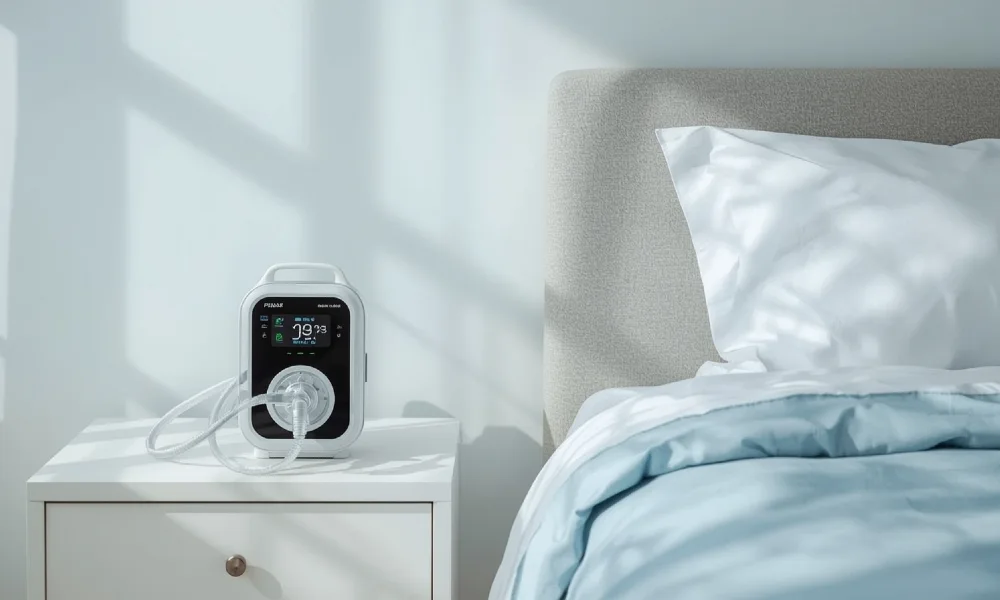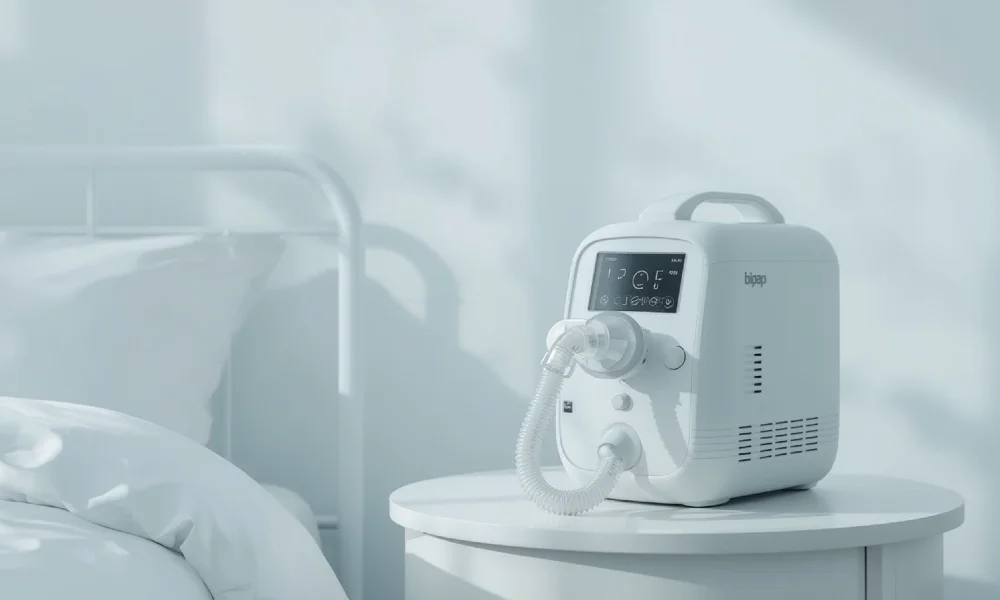
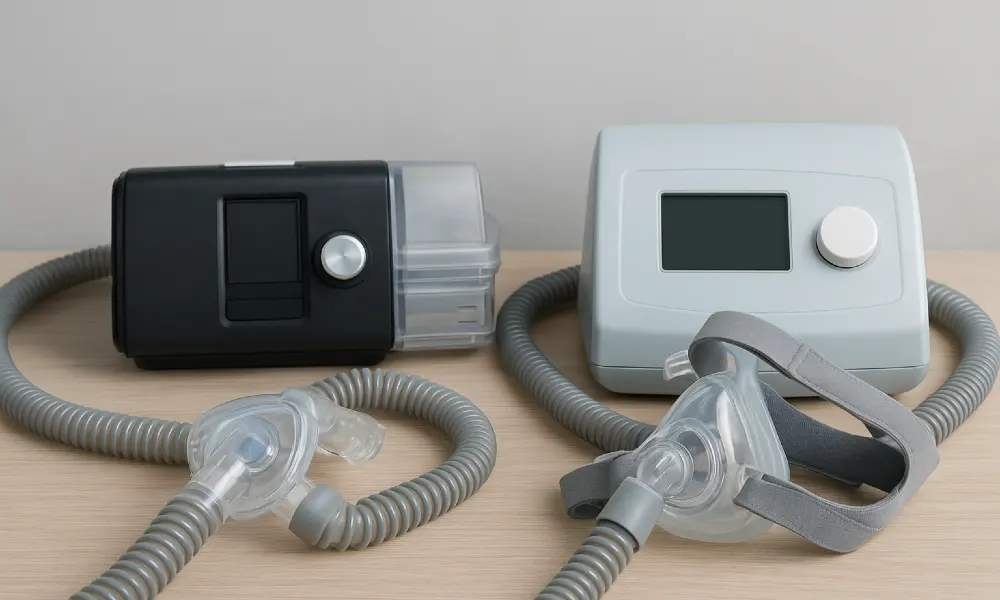
Breathing disorders such as sleep apnea, COPD, and other respiratory conditions often require the support of specialized medical devices. Two of the most commonly recommended machines are CPAP (Continuous Positive Airway Pressure) and BiPAP (Bilevel Positive Airway Pressure). While both serve the purpose of improving airflow and breathing, they differ significantly in how they work, who should use them, and the comfort they provide.
Understanding these differences is essential for patients and caregivers who want to make informed decisions about home respiratory therapy. This guide explains CPAP and BiPAP in simple terms and compares them across various factors such as function, pressure delivery, comfort, and usage scenarios.
What Is a CPAP Machine?
A CPAP machine delivers a continuous, steady stream of pressurized air to keep your airway open while you sleep. This prevents interruptions in breathing, which are common in obstructive sleep apnea.
Key Features of a CPAP Machine
- Provides one constant pressure level
- Prevents airway collapse during sleep
- Commonly prescribed for Obstructive Sleep Apnea (OSA)
- Simple to use and maintain
- Typically, more affordable than BiPAP
CPAP therapy works by ensuring your airway does not collapse during inhalation and exhalation. By maintaining a single pressure, the machine keeps your breathing stable throughout the night.
What Is a BiPAP Machine?
A BiPAP machine delivers two different pressure levels: a higher pressure when you inhale (IPAP) and a lower pressure when you exhale (EPAP). This makes breathing easier and more comfortable for people who need stronger respiratory support.
Key Features of a BiPAP Machine
- Two pressure levels: IPAP (inhalation) and EPAP (exhalation)
- Easier exhalation, reducing strain on weak respiratory muscles
- Ideal for Central Sleep Apnea, COPD, obesity hypoventilation, and neuromuscular disorders
- More advanced and customizable
- Often used when CPAP therapy fails
BiPAP machines are especially helpful for patients who find it difficult to exhale against a single high pressure, making them a better option for severe or complex breathing issues.
Core Difference Between CPAP and BiPAP
While both CPAP and BiPAP help maintain open airways, their pressure delivery is the main point of difference.
1. Pressure Pattern
CPAP: One continuous pressure
BiPAP: Two levels of pressure (higher for inhaling, lower for exhaling)
2. Comfort Level
CPAP may feel uncomfortable for patients needing high pressure.
BiPAP feels more natural because it reduces pressure during exhalation.
3. Complexity of Device
CPAP: Basic and straightforward
BiPAP: More advanced with additional settings and modes
4. Suitable For
CPAP: Mild to moderate obstructive sleep apnea
BiPAP: Severe sleep apnea, COPD, neuromuscular diseases, chronic lung disorders
5. Cost
CPAP: More affordable
BiPAP: More expensive due to advanced features
When Is a CPAP Machine Recommended?
Doctors usually start patients with CPAP therapy because it is effective for most people with obstructive sleep apnea.
CPAP is best for:
- Snoring and diagnosed sleep apnea
- Mild to moderate upper airway obstruction
- Patients who do not have difficulty exhaling against pressure
- Individuals requiring simple, long-term respiratory support
If CPAP works well, there is generally no need to switch to a BiPAP machine.
When Is a BiPAP Machine Recommended?
A BiPAP machine is often recommended when CPAP is not effective or when a patient has more complex breathing difficulties.
BiPAP is best for:
- Central Sleep Apnea (CSA)
- Chronic Obstructive Pulmonary Disease (COPD)
- Obesity Hypoventilation Syndrome (OHS)
- Neuromuscular conditions such as ALS, muscular dystrophy
- Patients who need high airway pressure but struggle to exhale comfortably
- Patients experiencing CO₂ retention
BiPAP supports both the inhalation and exhalation process, reducing the workload on weakened respiratory muscles.
How CPAP and BiPAP Machines Work Internally
CPAP Mechanism
- Draws air from the surroundings
- Pressurizes it at one set level
- Sends the air through tubing to a mask
- Keeps the airway stable throughout inhalation and exhalation
BiPAP Mechanism
- Detects breathing pattern
- Supplies higher pressure on inhale (IPAP)
- Automatically reduces pressure during exhale (EPAP)
- Helps regulate both airflow and respiratory effort
Some advanced BiPAP models also offer backup respiratory rates for patients who experience pauses in breathing.
Comfort and User Experience
Comfort plays a major role in therapy success.
CPAP Comfort
- Simple airflow makes it easier for beginners
- A single pressure may feel strong or uncomfortable for some patients
- Ideal for those who can adapt easily to constant pressure
BiPAP Comfort
- Designed for better breathing comfort
- Reduces fatigue by lowering pressure during exhalation
- Preferred by patients needing higher pressure support
Maintenance and Usability
Both CPAP and BiPAP machines require similar maintenance:
- Daily: Clean mask and tubing
- Weekly: Clean humidifier chamber
- Monthly: Check filters and replace if needed
- Every 6–12 months: Replace mask and tubing depending on condition
BiPAP machines may have more advanced settings, but modern devices are user-friendly with digital displays and guided setup.
Cost Comparison
Generally, BiPAP machines are more expensive due to additional pressure modes and advanced functions.
CPAP Cost Factors
- Affordable
- Fewer advanced settings
- Low operational cost
BiPAP Cost Factors
- Higher price due to dual pressure
- Often required for complex respiratory disorders
- Greater long-term comfort for severe conditions
Patients often choose rental plans to reduce upfront costs, especially for short-term or trial use.
Which Machine Should You Choose?
Choosing between CPAP and BiPAP depends on:
- Doctor’s recommendation
- Type and severity of respiratory disorder
- Comfort level
- Pressure needs
- Budget and insurance coverage
Never switch from CPAP to BiPAP on your own. The decision requires sleep study results, medical evaluation, and proper pressure titration.
My Health Mart
My Health Mart offers convenient and affordable BiPAP machine rental services in Delhi, ensuring reliable respiratory support for patients at home. We provide high-quality, sanitized, and well-maintained BiPAP devices with quick delivery, professional setup, and easy documentation.
Our trained team guides you on usage, settings, and safety for a smooth experience. With flexible rental plans, 24/7 customer support, and trusted medical equipment brands, My Health Mart ensures comfortable and effective breathing assistance for recovery, chronic conditions, and sleep-related issues. Choose us for dependable, hassle-free BiPAP rentals in Delhi.
Wrapping Up
CPAP and BiPAP machines are essential devices for people who suffer from sleep apnea or other breathing difficulties. While they serve similar purposes, the difference lies mainly in how they deliver pressure. CPAP maintains one steady pressure, making it ideal for obstructive sleep apnea. BiPAP provides two pressure levels, offering greater comfort and support for patients with severe conditions or difficulty exhaling.
Understanding these differences helps patients and caregivers choose the right therapy and ensures better long-term respiratory health.
If you want, I can also create a meta description, content for your website, FAQs, or a comparison table for this topic.
Don’t Miss: How to Use an Oxygen Concentrator Safely at Home