
Long-term ventilator support is a critical medical intervention used when a patient is unable to breathe adequately on their own for an extended period. While ventilators are often associated with emergency or ICU care, some patients require prolonged or even permanent respiratory assistance due to chronic or progressive health conditions. Understanding when doctors recommend long-term ventilator support can help families prepare emotionally, medically, and logistically for ongoing care.
What Is Long-Term Ventilator Support?
A ventilator is a machine that helps a patient breathe by delivering oxygen to the lungs and removing carbon dioxide. Long-term ventilator support typically refers to ventilator use lasting weeks, months, or even years, either in a hospital, long-term care facility, or at home under medical supervision.
Doctors evaluate the patient’s condition, prognosis, quality of life, and ability to recover natural breathing before recommending extended ventilator use.
Key Medical Conditions Requiring Long-Term Ventilation
1. Chronic Obstructive Pulmonary Disease (COPD)
Patients with advanced COPD may experience severe airflow limitation and respiratory muscle fatigue. When medications, oxygen therapy, and non-invasive ventilation fail to maintain adequate breathing, doctors may recommend long-term ventilator support to reduce breathing effort and improve oxygen levels.
2. Neuromuscular Disorders
Diseases that weaken respiratory muscles often necessitate prolonged ventilator use. These include:
- Amyotrophic Lateral Sclerosis (ALS)
- Muscular dystrophy
- Spinal muscular atrophy
- Guillain-Barré syndrome (in severe or prolonged cases)
As these conditions progress, the patient may lose the ability to breathe independently, making ventilator support essential for survival.
3. Spinal Cord Injuries
High cervical spinal cord injuries (especially above C5) can paralyze the diaphragm and chest muscles. In such cases, patients may permanently depend on ventilator support, particularly if nerve function does not recover.
4. Severe Brain Injuries or Stroke
Patients with traumatic brain injuries, brain hemorrhages, or major strokes may lose the brain’s ability to regulate breathing. If recovery is slow or incomplete, doctors may recommend long-term ventilation while assessing neurological improvement.
5. Progressive Lung Diseases
Conditions such as pulmonary fibrosis, cystic fibrosis, or advanced interstitial lung disease can severely impair lung function. When oxygen therapy is insufficient and lung transplantation is not immediately possible or suitable, ventilator support may be advised to stabilize breathing.
Failure to Wean Off a Ventilator
One of the most common reasons doctors recommend long-term ventilator support is failure to wean. Weaning is the process of gradually reducing ventilator assistance to see if the patient can breathe independently.
If multiple weaning attempts fail due to:
- Weak respiratory muscles
- Poor lung function
- Underlying chronic disease
doctors may conclude that prolonged ventilator use is necessary for patient safety and comfort.
Use of Tracheostomy in Long-Term Ventilation
For patients requiring ventilator support beyond two to three weeks, doctors often recommend a tracheostomy. This involves creating a small opening in the neck to place a tube directly into the windpipe.
Benefits of tracheostomy include:
- Improved patient comfort
- Easier airway management
- Reduced risk of vocal cord injury
- Better suitability for home ventilator care
A tracheostomy is often a key step in transitioning patients from ICU-based ventilation to long-term or home care.
Quality of Life and Patient Prognosis
Doctors carefully assess whether long-term ventilator support will:
- Improve survival
- Enhance comfort
- Maintain an acceptable quality of life
Discussions with family members and caregivers are crucial, especially in cases involving progressive or terminal illnesses. Advance directives, patient wishes, and ethical considerations play a major role in deciding whether long-term ventilation is appropriate.
Long-Term Ventilator Support at Home
With advancements in medical technology, many patients can safely receive ventilator support at home. Doctors may recommend home ventilation when:
- The patient is medically stable
- Caregivers are trained
- Emergency backup systems are available
Home ventilator care can reduce hospital stays, lower costs, and provide emotional comfort by allowing patients to remain in a familiar environment.
Signs a Patient May Need Long-Term Ventilation
Doctors may consider long-term ventilator support if the patient shows:
- Persistent breathlessness at rest
- Elevated carbon dioxide levels
- Repeated respiratory failure episodes
- Dependence on oxygen with declining lung function
- Inability to protect their airway
Early identification helps in timely planning and better outcomes.
Emotional and Family Considerations
Long-term ventilator support impacts not just the patient but the entire family. Caregiver fatigue, financial planning, and emotional stress are common challenges. Doctors usually involve multidisciplinary teams, including pulmonologists, neurologists, respiratory therapists, and palliative care specialists, to support families throughout the journey.
My Health Mart
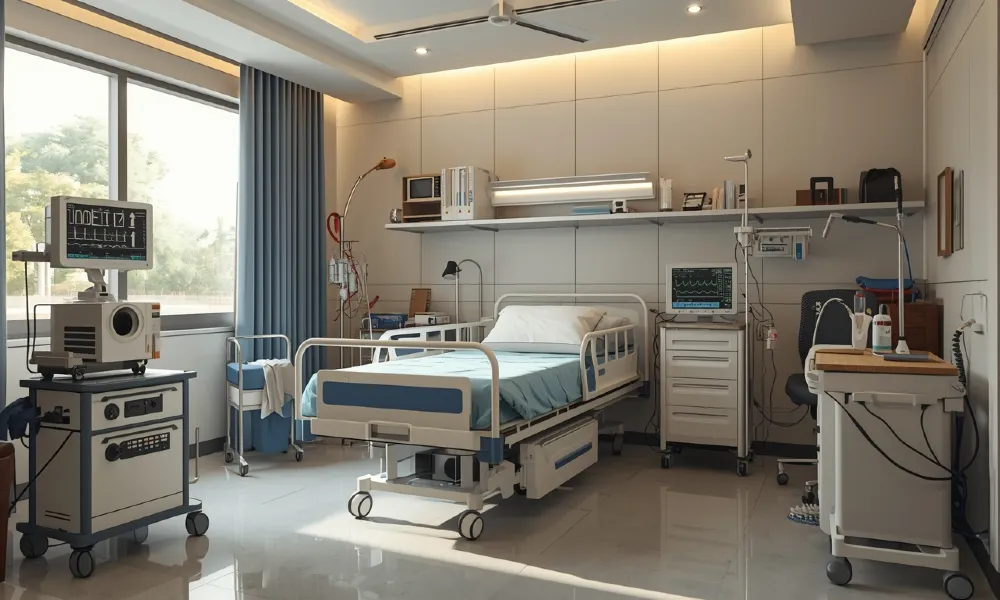
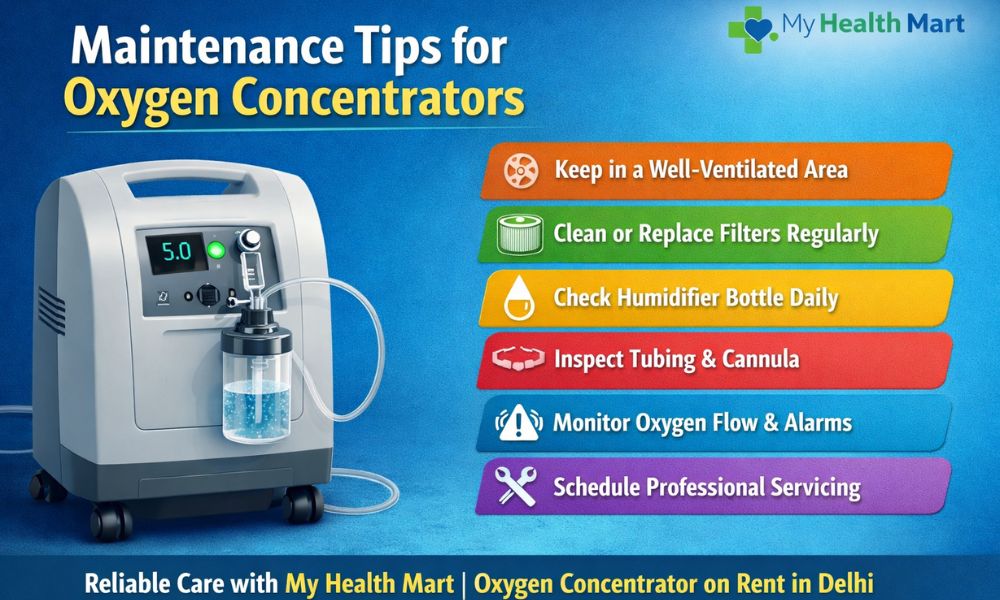
My Health Mart provides reliable ICU setup at home services in Delhi, ensuring hospital-level care in the comfort of your home. We offer fully equipped ICU beds, ventilators, oxygen concentrators, monitors, suction machines, and trained medical support. Our team ensures quick installation, regular maintenance, and 24/7 assistance, helping patients recover safely while families experience peace of mind with professional, compassionate home healthcare solutions.
Wrapping Up
Doctors recommend long-term ventilator support when a patient’s breathing ability is severely compromised and unlikely to recover in the short term. The decision is based on medical necessity, prognosis, patient preferences, and quality-of-life considerations. While long-term ventilation can be life-sustaining, it requires careful planning, ongoing medical supervision, and strong caregiver support. Understanding the reasons behind this recommendation empowers families to make informed and compassionate care decisions.
Don’t Miss: 5 Best Hospital Bed Options for Home Use