Sleep apnea is a common but serious sleep condition affecting millions of people around the world. It causes breathing to repeatedly stop and start during sleep, often without the person realizing it. Many people ask an important question: what is the biggest cause of sleep apnea?
While several factors can contribute to this condition, the most common and significant cause is airway obstruction during sleep, usually linked to excess weight, relaxed throat muscles, or structural issues in the airway.
In this blog, we’ll explore the main cause of sleep apnea, explain how it develops, identify risk factors, and help you understand when to seek treatment.
Understanding Sleep Apnea
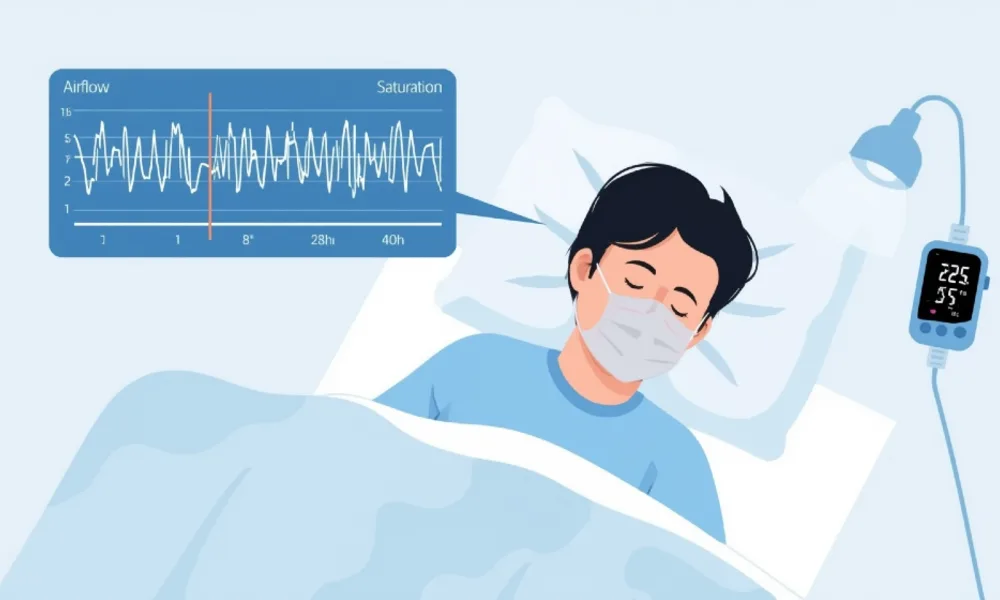
Sleep apnea occurs when airflow is reduced or completely blocked during sleep. These breathing pauses can last from a few seconds to over a minute and may happen dozens of times per hour. As a result, oxygen levels drop, and sleep becomes fragmented.
There are three main types of sleep apnea:
- Obstructive Sleep Apnea (OSA) – caused by airway blockage (most common)
- Central Sleep Apnea (CSA) – caused by the brain not sending proper signals to the muscles that control breathing
- Complex Sleep Apnea – a combination of both
Among these, Obstructive Sleep Apnea accounts for the majority of cases
The Biggest Cause of Sleep Apnea: Airway Obstruction
Why Airway Blockage Is the Primary Cause?
The biggest cause of sleep apnea is repeated collapse or narrowing of the upper airway during sleep. As you fall asleep, the muscles in the throat begin to relax. In some people, this relaxation causes the airway to become too narrow or completely blocked, stopping airflow.
This blockage leads to:
- Reduced oxygen supply
- Brief awakenings (often unnoticed)
- Loud snoring or choking sounds
- Poor-quality sleep
The body briefly wakes up to reopen the airway, repeating this cycle throughout the night.
Excess Weight: A Major Contributor
One of the strongest risk factors for airway obstruction is excess body weight.
How Weight Affects Breathing During Sleep
- Fat buildup around the neck and throat can reduce the space in the airway.
- Increased pressure on the chest makes breathing harder
- Reduced muscle tone worsens airway collapse
Even moderate weight gain can significantly increase the risk of sleep apnea. However, it’s important to note that sleep apnea can also occur in people who are not overweight.
Relaxed Throat Muscles During Sleep
During deep sleep, throat muscles naturally relax. In people prone to sleep apnea, this relaxation is excessive, allowing soft tissues like the tongue and soft palate to fall back and block the airway.
Factors that worsen muscle relaxation include:
- Alcohol consumption before bed
- Sedatives or sleeping pills
- Smoking
These substances increase the likelihood of airway collapse and more severe apnea episodes.
Anatomical and Structural Factors
Certain physical traits can make a person more likely to develop sleep apnea.
- Common Structural Causes
- Narrow airway
- Enlarged tonsils or adenoids
- Thick neck circumference
- Large tongue or small jaw
- Deviated nasal septum
These features reduce airflow space, especially when muscles relax during sleep.
Nasal Congestion and Breathing Issues
Chronic nasal blockage or congestion can contribute to sleep apnea by increasing resistance to airflow.
Causes include:
- Allergies
- Sinus problems
- Nasal polyps
- Chronic colds
Difficulty breathing through the nose may force mouth breathing, increasing airway collapse risk.
Family History and Genetics
Sleep apnea can run in families. Genetics may influence:
- Facial structure
- Airway size
- Fat distribution
- Muscle tone
If close family members have sleep apnea, your risk may be higher.
Age and Gender
Age
As people age:
- Throat muscle tone decreases
- Airway collapsibility increases
Sleep apnea is more frequently seen in middle-aged and older individuals.
Gender
- Men are more likely to develop sleep apnea
- Risk in women increases after menopause
Hormonal changes affect muscle tone and fat distribution.
Lifestyle Factors That Increase Risk
Certain habits can worsen or trigger sleep apnea:
- Smoking (causes airway inflammation)
- Alcohol use before bedtime
- Poor sleep posture (sleeping on the back)
- Irregular sleep patterns
Addressing these habits can reduce symptom severity.
Symptoms That May Indicate Sleep Apnea
Many people are unaware they have sleep apnea. Common signs include:
- Loud, chronic snoring
- Pauses in breathing during sleep
- Gasping or choking at night
- Excessive daytime sleepiness
- Morning headaches
- Difficulty concentrating
If these symptoms are present, a medical evaluation is important.
Why Identifying the Cause Matters?
Understanding the biggest cause of sleep apnea helps guide effective treatment.
Treatment options may include:
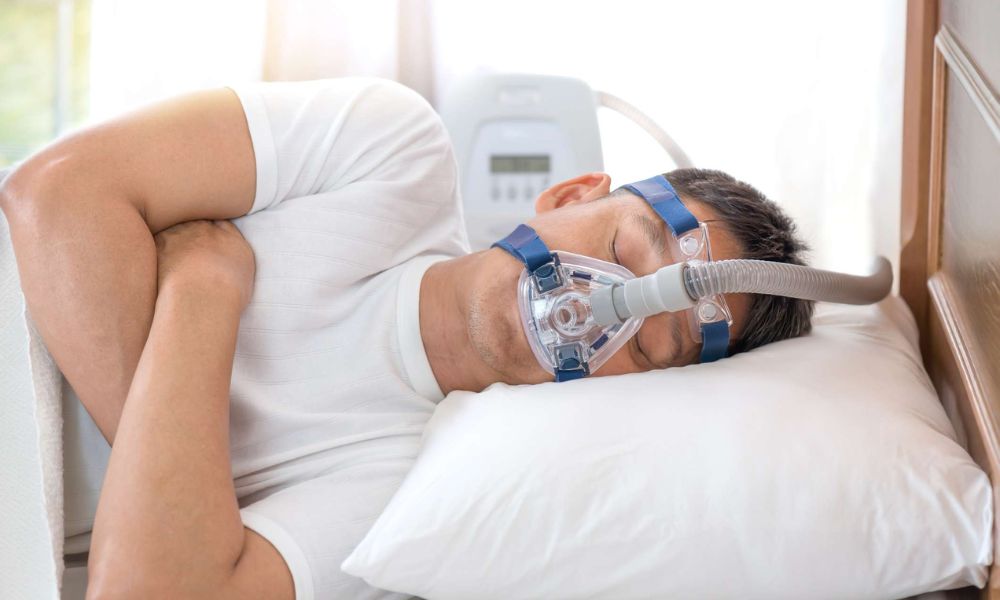
- CPAP or BiPAP therapy
- Weight management
- Positional therapy
- Oral appliances
- Surgery (in selected cases)
Treating the underlying cause can significantly improve sleep quality and overall health.
When Should You See a Doctor?
Consult a healthcare provider if:
- Snoring is loud and persistent
- You feel tired despite adequate sleep
- You wake up choking or breathless
- Oxygen levels drop during sleep
A sleep study can confirm the diagnosis and severity.
My Health Mart
Book your sleep apnea test at home in Delhi with My Health Mart and get an accurate, hassle-free diagnosis without visiting a hospital. Our easy home sleep test helps detect breathing disorders, snoring issues, and oxygen level drops during sleep.
The test is comfortable, doctor-approved, and comes with expert guidance and report support. Take the first step towards better sleep and healthier breathing with trusted home healthcare services in Delhi.
Final Thoughts
So, what is the biggest cause of sleep apnea?
In most cases, it is airway obstruction during sleep, often linked to excess weight, relaxed throat muscles, or structural airway issues.
Sleep apnea is more than just snoring; it’s a serious condition that affects breathing, oxygen levels, and long-term health. Early diagnosis and proper treatment can dramatically improve sleep, energy, and overall well-being.
If you suspect sleep apnea, don’t ignore the signs. Seeking timely medical advice can make a life-changing difference.
Don’t Miss: Can I Sleep with an Oxygen Concentrator?