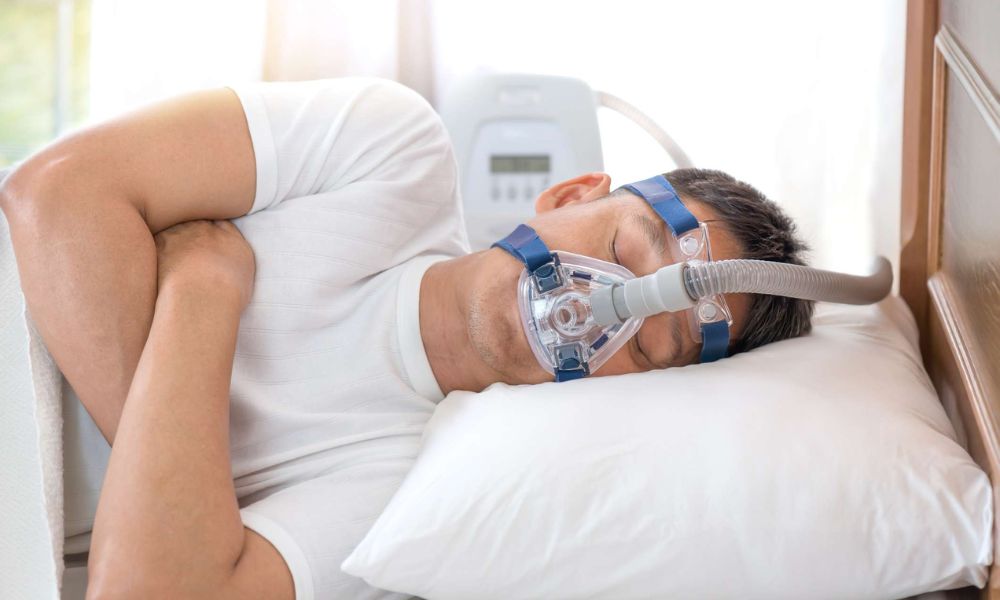
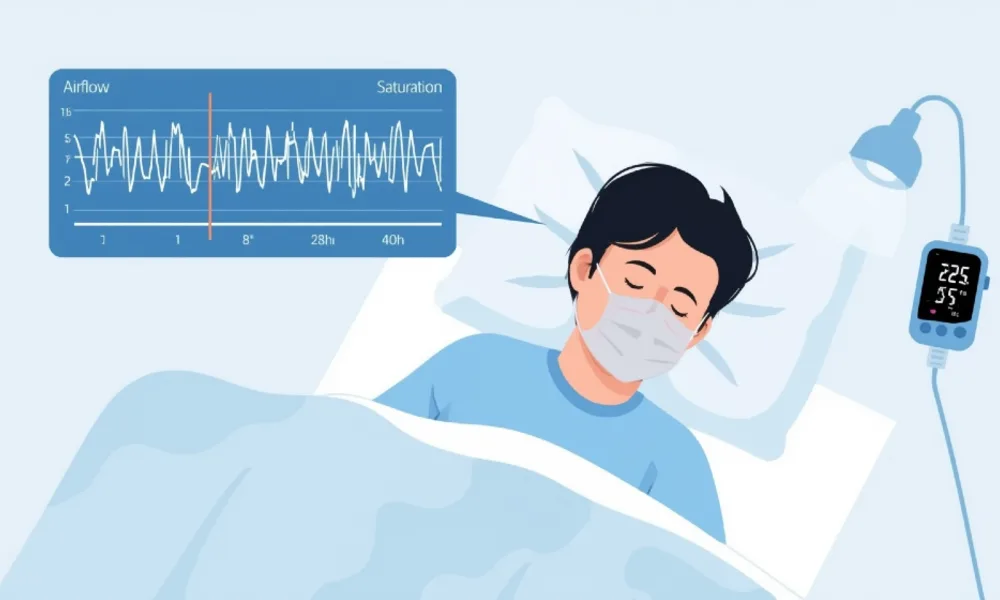
Sleep apnea is a common but often underdiagnosed sleep disorder that affects breathing during sleep. It is characterized by repeated pauses in breathing or shallow breathing, which can lead to poor sleep quality and serious health problems if left untreated.
To diagnose and measure the severity of sleep apnea, sleep specialists rely on specific scoring rules during a sleep study. One such important concept is the 3% rule for sleep apnea. Understanding this rule can help patients better interpret their sleep study results and treatment recommendations.
Understanding Sleep Apnea and Sleep Studies
Sleep apnea is mainly classified into three types: obstructive sleep apnea (OSA), central sleep apnea (CSA), and complex sleep apnea. Among these, obstructive sleep apnea is the most common. Diagnosis is usually done through a polysomnography (sleep study), which records breathing patterns, oxygen levels, heart rate, and brain activity during sleep.
A key outcome of a sleep study is the Apnea-Hypopnea Index (AHI). AHI represents the number of apneas (complete pauses in breathing) and hypopneas (partial reductions in breathing) per hour of sleep. The definition of hypopnea is where the 3% rule becomes important.
What Is the 3% Rule?
The 3% rule refers to a diagnostic criterion used to define a hypopnea event during a sleep study. According to this rule, a hypopnea is counted when there is:
- A reduction in airflow (usually by at least 30%) lasting for 10 seconds or more, and
- A drop in blood oxygen saturation of 3% or more from baseline, or
- An associated arousal from sleep
In simple terms, if your breathing becomes shallow enough to reduce oxygen levels by at least 3%, it is considered clinically significant and counted toward your AHI score.
Why the 3% Rule Matters
The 3% rule is important because it is more sensitive than stricter criteria, such as the 4% rule, which requires a 4% drop in oxygen levels to count a hypopnea. By using the 3% threshold, more breathing disturbances are detected, especially in people whose oxygen levels do not drop drastically but still experience frequent sleep disruptions.
This is particularly useful for identifying mild to moderate sleep apnea, where symptoms like excessive daytime sleepiness, fatigue, and poor concentration may be present even without large oxygen desaturations.
3% Rule vs 4% Rule
There is ongoing discussion in sleep medicine about whether the 3% or 4% rule should be used. Some insurance providers and guidelines prefer the 4% rule, as it identifies fewer events and is more conservative. However, many sleep specialists support the 3% rule because it better reflects real-world symptoms and sleep quality
Using the 3% rule generally results in a higher AHI score, which may change a diagnosis from normal to mild sleep apnea, or from mild to moderate. This can influence whether treatment such as CPAP, BiPAP, or oral appliances is recommended.
How the 3% Rule Affects Diagnosis and Treatment
Because the 3% rule counts more hypopnea events, it can lead to earlier diagnosis and treatment. Early treatment of sleep apnea is crucial, as untreated sleep apnea is linked to high blood pressure, heart disease, diabetes, stroke, and poor mental health.
For patients, this means symptoms are more likely to be taken seriously, even if oxygen drops are not extreme. Doctors may recommend lifestyle changes, weight management, positional therapy, or positive airway pressure therapy based on results calculated using the 3% rule.
Is the 3% Rule Used Everywhere?
Not all sleep labs or countries use the same scoring rules. Some follow guidelines from the American Academy of Sleep Medicine (AASM) that allow the 3% rule, while others strictly apply the 4% rule due to insurance or regulatory requirements. It is important for patients to ask which rule was used in their sleep study, especially if symptoms persist despite a “borderline” diagnosis.
Final Thoughts
The 3% rule for sleep apnea plays a significant role in how hypopneas are identified and how sleep apnea severity is calculated. By recognizing smaller but meaningful drops in oxygen levels, this rule helps provide a more accurate picture of sleep-disordered breathing.
If you have symptoms such as loud snoring, daytime sleepiness, or morning headaches, understanding the 3% rule can help you have a more informed discussion with your doctor about diagnosis and treatment options.
Early awareness and proper evaluation are key steps toward better sleep and long-term health.
Don’t Miss: When Do Doctors Recommend Long-Term Ventilator Support?