Oxygen therapy is a vital part of treatment for people who have difficulty breathing due to medical conditions such as chronic respiratory diseases, post-surgery recovery, infections, or age-related breathing issues. Oxygen concentrators are widely used for home care because they are convenient and reliable. However, they are not always the best or only option for every patient.
In some situations, patients may need alternatives to oxygen concentrators due to power availability, mobility needs, cost concerns, or specific medical requirements. Understanding these alternatives helps patients and caregivers choose the most suitable and safe solution for home healthcare.
This article explains the main alternatives to oxygen concentrators, how they work, their benefits, limitations, and real-life use cases.
Why Look for Alternatives to Oxygen Concentrators?
Although oxygen concentrators are popular, there are several reasons why patients may need other options:
- Power dependency can be an issue in areas with frequent electricity cuts
- Some patients require higher oxygen flow than standard concentrators provide
- Short-term oxygen needs may not justify long-term equipment use
- Mobility and travel requirements may limit concentrator use
- Emergency backup is often necessary for safety
Choosing the right alternative ensures uninterrupted oxygen support and peace of mind for patients and families.
1. Oxygen Cylinders
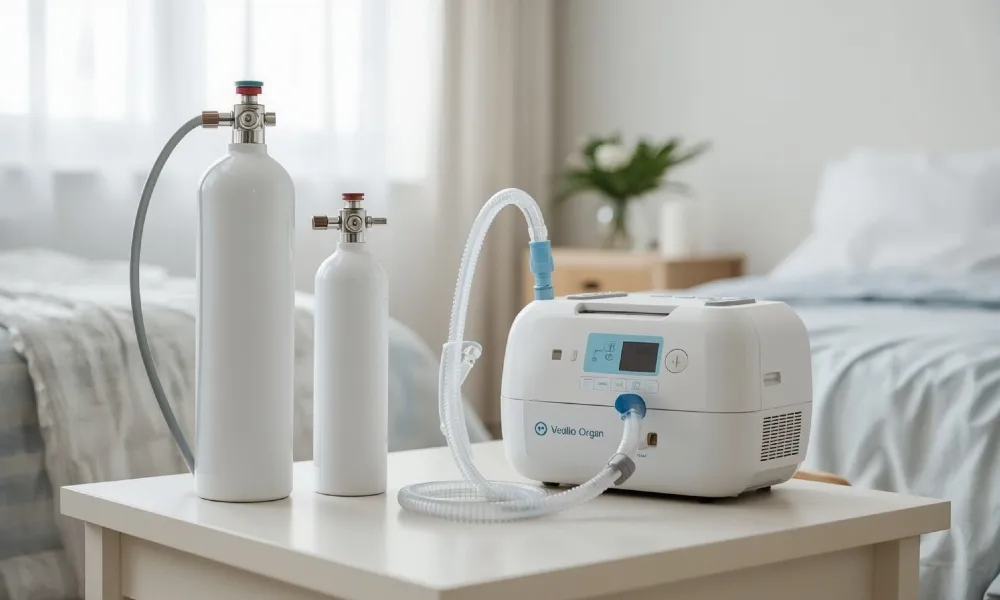
Oxygen cylinders are one of the most common and reliable alternatives to oxygen concentrators. They store medical-grade oxygen in compressed form and release it through a regulator connected to a mask or nasal cannula.
How Oxygen Cylinders Work
The oxygen is already purified and stored inside the cylinder. When the valve is opened, oxygen flows at a controlled rate based on the regulator setting.
Benefits of Oxygen Cylinders
- Do not require electricity
- Provide high-purity oxygen
- Suitable for emergency use
- Easy to understand and operate
Limitations
- Need regular refilling
- Heavy and difficult to move
- Limited oxygen supply per cylinder
Real-Life Use Case
Oxygen cylinders are often used for patients recovering from surgery, during power outages, or as a backup option at home when using an oxygen concentrator.
2. Liquid Oxygen Systems
Liquid oxygen systems store oxygen in a cooled, liquid state and convert it into gas when needed. This allows a larger quantity of oxygen to be stored in a compact container.
How Liquid Oxygen Systems Work
Liquid oxygen is stored at very low temperatures. When released, it warms up and turns into breathable oxygen gas.
Benefits
- Stores more oxygen than compressed cylinders
- Suitable for patients needing continuous oxygen
- Portable units allow outdoor movement
- Quiet and efficient operation
Limitations
- Requires specialized refilling services
- Higher setup and maintenance needs
- Limited availability in some regions
Real-Life Use Case
Liquid oxygen systems are often recommended for patients with chronic respiratory conditions who require oxygen for many hours daily and want better mobility outside the home.
Don’t Miss: How Does an Oxygen Concentrator Work?
3. Portable Oxygen Cylinders
Portable oxygen cylinders are smaller, lightweight versions of standard cylinders. They are designed for short-term use outside the home.
Benefits
- Easy to carry during travel or doctor visits
- No electricity required
- Useful for short outings
Limitations
- Limited oxygen duration
- Not suitable for continuous home use
- Requires careful monitoring of oxygen levels
Real-Life Use Case
Patients who mainly stay at home but need oxygen support while going to appointments or family gatherings often use portable cylinders along with a main oxygen source at home.
4. Central Oxygen Supply for Home Care
In some advanced home-care cases, a centralized oxygen supply system may be installed, similar to hospital setups. This option is usually recommended for patients with long-term or critical care needs.
Benefits
- Continuous oxygen availability
- Suitable for high-flow requirements
- Can support multiple outlets
Limitations
- Requires professional installation
- Higher initial setup cost
- Needs regular safety inspections
Real-Life Use Case
Patients on long-term respiratory support, bedridden individuals, or those requiring ICU-level care at home may benefit from a centralized oxygen system.
5. CPAP and BiPAP Machines (Condition-Specific Alternatives)
CPAP and BiPAP machines are commonly used for sleep-related breathing disorders and certain respiratory conditions. While they do not deliver oxygen directly, they help maintain open airways and improve breathing efficiency.
Benefits
- Improve breathing during sleep
- Reduce oxygen dependency in some cases
- Compact and suitable for home use
Limitations
- Not suitable for all respiratory conditions
- Requires a medical prescription
- Needs proper mask fitting and usage training
Real-Life Use Case
Patients with sleep apnea or breathing difficulties during sleep may use CPAP or BiPAP machines instead of oxygen therapy, depending on medical advice.
Don’t Miss: Which is Better, an Oxygen Tank or an Oxygen Concentrator?
6. Oxygen Therapy via Hospital-at-Home Services
Some healthcare providers offer oxygen therapy through hospital-at-home services. This includes equipment setup, monitoring, and professional support.
Benefits
- Medical supervision at home
- Equipment maintenance included
- Ideal for post-hospital recovery
Limitations
- Service availability may vary
- Costs can be higher
- Requires coordination with a healthcare provider
Real-Life Use Case
Patients discharged from hospitals who still need oxygen support often choose hospital-at-home services for short-term care.
Safety Considerations for All Oxygen Alternatives
No matter which alternative is chosen, safety should always be the top priority:
- Keep oxygen equipment away from fire and heat sources
- Avoid smoking near oxygen equipment
- Ensure proper ventilation in the room
- Follow the manufacturer’s instructions carefully
- Schedule regular equipment checks
Caregivers should also be trained to handle equipment and recognize signs of oxygen deficiency or excess.
How to Choose the Right Alternative?
The best oxygen therapy option depends on individual needs. Factors to consider include:
- Prescribed oxygen flow rate
- Duration of daily oxygen use
- Patient mobility
- Power availability
- Budget and long-term care plans
Consulting a healthcare professional is essential before switching or selecting any oxygen therapy equipment.
Final Thoughts
Oxygen concentrators are a popular and effective choice for home care, but they are not the only solution. Oxygen cylinders, liquid oxygen systems, portable cylinders, centralized oxygen supply, and breathing support machines all offer valuable alternatives depending on patient needs.
Understanding these options empowers patients and families to make informed, confident decisions for home healthcare. With the right equipment, proper guidance, and safety measures, oxygen therapy at home can significantly improve comfort, independence, and quality of life.
Don’t Miss: Where Can I Get a BiPAP Machine for Rent Near Me?