
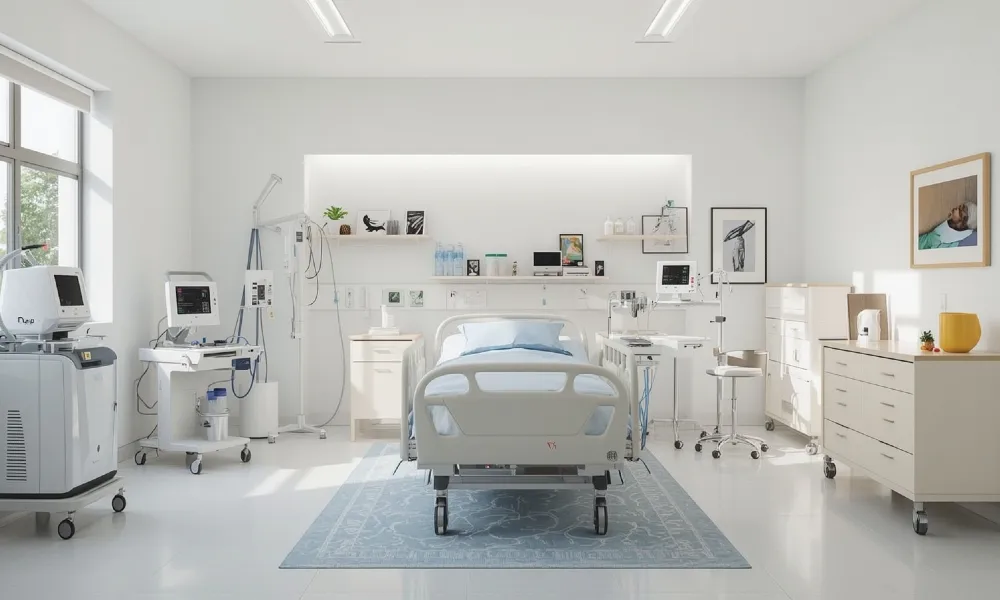
Caring for a critically ill family member at home can feel overwhelming, especially when doctors recommend an ICU-like environment for recovery. The good news is that with the right planning, equipment, and support, you can create a safe and effective home-based ICU setup that provides comfort and continuous medical supervision.
This step-by-step guide will help you understand what is needed, how to arrange the setup, and how to manage day-to-day care like a professional
What Is a Home ICU Setup?
A home ICU setup replicates the essential facilities of a hospital Intensive Care Unit within a home environment. It includes:
- Life-support or respiratory support equipment
- Monitoring device
- A hygienic and controlled room
- Regular medical supervision
- Trained caregivers or nursing assistance
This type of setup is ideal for patients who require long-term monitoring, respiratory support, post-surgery recovery, or palliative care.
Step 1: Choose the Right Room in Your Home
The foundation of a home ICU is selecting an appropriate room.
Key factors to consider
- Good ventilation: Fresh air flow helps prevent infections and keeps the patient comfortable.
- Privacy: A quiet room away from household noise supports healing.
- Space for equipment: Ensure there is enough room for a hospital bed, concentrator, monitors, and caregiver movement.
- Electrical safety: The room should have multiple plug points, surge protectors, and backup power options.
Where possible, avoid carpeted floors, as they can trap dust and germs.
Step 2: Arrange Essential ICU Medical Equipment
Setting up the right medical equipment is the heart of home ICU care. Consult the patient’s doctor for exact recommendations; however, a standard ICU-like setup usually needs:
1. Hospital Bed
A hospital-grade bed allows comfortable positioning, improves breathing, and helps caregivers safely manage the patient. Look for electric beds with side rails and adjustable height
2. Oxygen Support
Depending on the patient’s condition, doctors may recommend:
- Oxygen Concentrator
- Portable Oxygen Cylinder
- BiPAP / CPAP Machine for breathing support
- Nebulizer Machine
Ensure the room has proper ventilation and oxygen safety measures.
3. Patient Monitoring Device
These help track vital signs continuously:
- Pulse oximeter
- Blood pressure monitor
- Glucometer
- Multi-parameter monitor (optional but useful)
4. Suction Machine
Needed for patients with mucus-related breathing difficulty.
5. Air Mattress
Helps prevent bedsores for patients who cannot move frequently
6. Emergency Kit
Keep a kit with:
- First-aid items
- Essential medicines
- Spare cannulas, masks, and tubing
- Doctor-prescribed emergency drugs
Most of these items can be rented or purchased from home healthcare providers to reduce cost.
Step 3: Create a Clean and Infection-Free Environment
Home ICU patients often have weak immunity. Maintaining hygiene is crucial.
Tips for cleanliness:
- Clean the room twice daily
- Use disinfectants approved for home medical use.
- Wash your hands before touching the patient or equipment.
- Keep pets away from the room.
- Ensure proper linen changes every 24 – 48 hours.
Place hand sanitizers and disposable gloves near the patient’s bed for caregivers and visitors.
Step 4: Ensure Continuous Power Backup
Life-support equipment such as concentrators, BiPAP machines, and monitors requires uninterrupted power.
Backup options include:
- UPS (Uninterruptible Power Supply)
- Inverter
- Small generator (if needed)
Ask a technician to check wiring safety and load capacity before installing multiple devices.

Step 5: Hire Skilled Nurses or Caregivers
A home ICU setup must be supported by trained medical professionals.
You may need:
- ICU-trained nurses for 12 or 24-hour duty
- Physiotherapists for mobility and breathing exercises
- Home visits by doctors
- Trained attendants for daily tasks
These professionals ensure proper medical procedures, timely medication, and early detection of complications.
Step 6: Maintain Real-Time Communication with Doctors
Keep the treating doctor regularly updated through:
- Video consultations
- Daily reports shared by nurses
- Monitoring logs
In case the patient’s condition changes suddenly, immediate medical advice is crucial.
Step 7: Organize Daily Patient Care Routine
Consistency is key in in-home ICU care.
A daily care routine should include:
- Timely medications
- Regular vitals monitoring
- Feeding assistance (oral or tube feeding
- Physiotherapy
- Position changes every 2 hours
- Hygiene maintenance
Create a patient chart or diary to track everything clearly.
Step 8: Ensure Emotional Support and Comfort
Being at home provides emotional comfort, but long-term illness can still affect the patient mentally.
Helpful practices:
- Play soothing music
- Keep the room bright and positive
- Allow short visits from family members
- Engage the patient in light conversation
Mental well-being plays a major role in faster recovery.
Step 9: Understand Emergency Protocols
Every caregiver must be aware of:
- Signs of breathing distress
- Sudden drop in oxygen levels
- Chest pain
- Loss of consciousness
- Emergency contacts of doctors and ambulance services
Keep emergency numbers displayed on the wall.
My Health Mart
My Health Mart provides reliable and affordable ICU Setup at Home services in Delhi, designed to bring hospital-level care to the comfort of your home. Our team offers complete support, including ICU beds, oxygen concentrators, ventilators, BiPAP/CPAP machines, monitors, suction machines, and trained ICU nurses.
We ensure quick installation, 24/7 assistance, and medically supervised setups tailored to each patient’s needs. Whether for long-term care, post-hospital recovery, or critical monitoring, My Health Mart helps families create a safe, hygienic, and fully equipped ICU environment at home. Trust us for seamless, high-quality home healthcare services in Delhi NCR.
Wrapping Up
Arranging an ICU setup at home requires careful planning, the right equipment, and continuous support from medical professionals. While it may seem challenging, a well-organized home ICU provides comfort, safety, and a healing environment for your loved one, right where they feel most secure.
If you need help renting equipment or arranging home ICU services in Delhi NCR, you can always reach out to a trusted home healthcare provider for guidance.
Don’t Miss: Home ICU Care vs. Hospital ICU Which is Better for Long-Term Patients