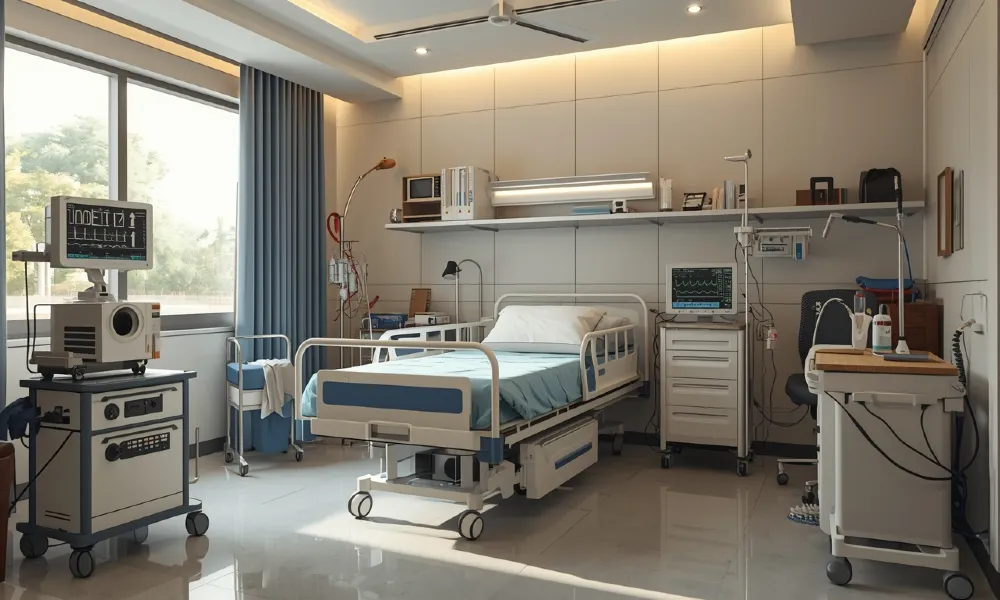
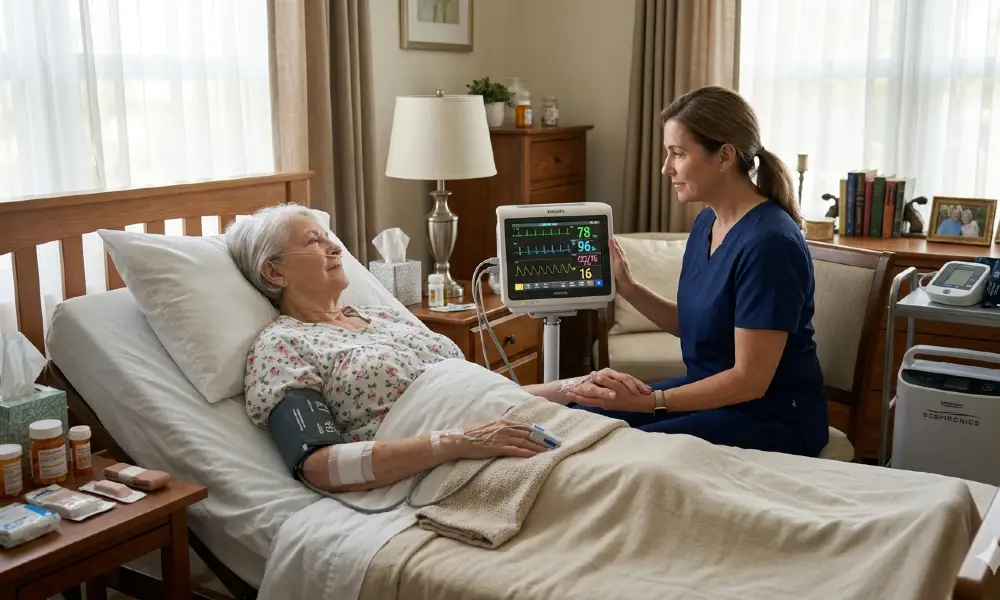
In today’s healthcare landscape, home-based patient care has become more important than ever. Whether it’s post-surgery recovery, elderly care, chronic disease management, or general health monitoring, being able to track a patient’s vital signs at home can make a life-saving difference.
However, many caregivers and family members face one common challenge:
They can see the numbers on the monitor, but they don’t fully understand what those numbers mean.
This detailed guide will help you confidently monitor a patient at home and accurately read patient monitor vitals, ensuring better care, early detection of health issues, and peace of mind.
Why Monitoring a Patient at Home is Important?
Home monitoring is not just about convenience; it’s about proactive healthcare.
Key Benefits:
- Early detection of health complications
- Reduced hospital visits and expenses
- Better management of chronic diseases
- Faster recovery in a comfortable environment
- Continuous tracking of patient progress
For patients recovering from surgery or managing conditions like hypertension, diabetes, or respiratory issues, regular monitoring can prevent emergencies before they happen.
Essential Devices for Home Patient Monitoring
To monitor a patient effectively, you need the right tools. Here are the most commonly used devices:
- Digital Blood Pressure Monitor: Measures systolic and diastolic blood pressure levels.
- Pulse Oximeter: Tracks oxygen saturation (SpO₂) and pulse rate.
- Digital Thermometer: Measures body temperature quickly and accurately.
- Glucometer: Helps monitor blood glucose levels, especially for people with diabetes.
- Multi-Parameter Patient Monitor: An advanced device that displays multiple vitals, such as:
- Heart rate
- Blood pressure
- Oxygen levels
- Respiratory rate
Investing in reliable and medically approved devices ensures accurate readings.
Understanding Patient Monitor Vitals
Let’s break down each vital sign so you can understand what’s normal, what’s not, and when to act.
1. Heart Rate (Pulse Rate)
What it measures:
- The number of heartbeats per minute (BPM).
Normal Range (Adults):
- 60 to 100 BPM
What Affects Heart Rate?
- Physical activity
- Stress or anxiety
- Fever
- Medications
- Heart conditions
When It’s Abnormal:
- Below 60 BPM (Bradycardia): May be normal in athletes but risky for others
- Above 100 BPM (Tachycardia): Could indicate infection, dehydration, or cardiac issues
When to Take Action:
- Irregular heartbeat
- Sudden spikes or drops
- Accompanied by symptoms like dizziness or chest pain
2. Blood Pressure (BP)
What it measures:
The pressure of blood against the artery walls.
Normal Reading:
- 120/80 mmHg
Understanding the Numbers:
- Systolic (Top): Pressure when the heart pumps
- Diastolic (Bottom): Pressure when the heart rests
Categories:
- Low BP: Below 90/60
- Normal: Around 120/80
- High BP: Above 140/90
Risk Factors:
- Poor diet
- Stress
- Lack of exercise
- Genetic factors
Warning Signs:
- Severe headache
- Blurred vision
- Chest discomfort
Regular BP monitoring is crucial for preventing heart attacks and strokes.
3. Oxygen Saturation (SpO₂)
What it measures:
- The percentage of oxygen in the blood.
Normal Range:
- 95% to 100%
Interpretation:
- 92–94% → Needs attention
- Below 90% → Medical emergency
Why It Matters:
Oxygen levels are critical for:
- Lung function
- Brain activity
- Organ performance
Common Causes of Low Oxygen:
- Respiratory infections
- Asthma or COPD
- COVID-19 recovery
- Lung diseases
A pulse oximeter is essential for home monitoring.
4. Body Temperature
Normal Range:
- 97°F to 99°F (36.1°C to 37.2°C)
What High Temperature Means:
- Fever (above 100.4°F) indicates infection or inflammation
What Low Temperature Means:
- Hypothermia (below 95°F) can be dangerous
Tips:
- Always measure temperature at the same time daily
- Avoid measuring immediately after eating or physical activity
5. Respiratory Rate
What it measures:
Number of breaths per minute.
Normal Range:
- 12 to 20 breaths per minute
Abnormal Readings:
- High rate → breathing distress or infection
- Low rate → possible neurological or metabolic issue
Signs to Watch:
- Rapid breathing
- Shallow breaths
- Difficulty breathing
6. Blood Sugar Levels
Measured using a glucometer
Normal Levels:
- Fasting: 70–100 mg/dL
- After meals: Below 140 mg/dL
High Blood Sugar (Hyperglycemia):
- Causes: diabetes, poor diet
- Symptoms: fatigue, frequent urination
Low Blood Sugar (Hypoglycemia):
- Symptoms: dizziness, sweating, confusion
- Regular monitoring is essential for patients with diabetes.
Step-by-Step Guide to Monitoring a Patient at Home
To ensure accurate readings, follow this process:
Step 1: Prepare the Environment
- Quiet and comfortable setting
- The patient should be relaxed
Step 2: Position the Patient Correctly
- Sitting or lying down
- Avoid movement
Step 3: Attach Devices Properly
- BP cuff on the upper arm
- Oximeter on the finger
- ECG leads (if available) on the chest
Step 4: Take Multiple Readings
- Record at least 2 readings
- Maintain consistency
Step 5: Maintain a Health Record
Track:
- Date & time
- All vital readings
- Symptoms
- This record is extremely helpful for doctors.
Monitoring Different Types of Patients
1. Elderly Patients
- Monitor BP and oxygen daily
- Watch for sudden changes
2. Post-Surgery Patients
- Track temperature and heart rate
- Watch for infection signs
3. Chronic Disease Patients
- Diabetes → monitor sugar
- Hypertension → monitor BP
4. ICU Discharge Patients
- Require frequent monitoring
- Use multi-parameter monitors
5 Common Mistakes to Avoid
- Taking readings immediately after exercise
- Incorrect placement of devices
- Ignoring abnormal readings
- Using low-quality devices
- Not consulting a doctor
Even small mistakes can lead to inaccurate readings.
Warning Signs You Should Never Ignore
Seek immediate medical help if you notice:
- Oxygen level below 90%
- Chest pain or tightness
- Sudden drop in blood pressure
- Confusion or unconsciousness
- Difficulty breathing
- Extremely high fever
These can indicate life-threatening conditions.
Tips for Accurate Home Monitoring
- Measure vitals at the same time daily
- Keep devices clean and calibrated
- Avoid caffeine before readings
- Ensure proper battery levels
- Follow the doctor’s instructions
Limitations of Home Monitoring
While home monitoring is helpful, it has some limitations:
- Devices may not always be 100% accurate
- Requires proper understanding
- Cannot replace a professional diagnosis
Always consult a healthcare professional for serious concerns.
When to Consult a Doctor?
Contact a doctor if:
- Vitals are consistently abnormal
- Symptoms persist for more than 2-3 days
- Patient shows discomfort or unusual behavior
Early consultation can prevent complications.
Frequently Asked Questions
Q1. What is a normal oxygen level at home?
A normal oxygen saturation (SpO₂) level at home ranges between 95% and 100%, indicating a healthy oxygen supply in the body. Levels between 92–94% require monitoring, while readings below 90% are critical and need immediate medical attention. Ensure proper use of a pulse oximeter for accurate readings.
Q2. How often should I check a patient’s vital signs?
Patient vitals should generally be checked 2–3 times daily, depending on the individual’s health condition and the doctor’s advice. For chronic illnesses or recovery cases, more frequent monitoring may be needed. Always check vitals when symptoms appear and maintain a daily record to help doctors track health progress effectively.
Q3. Can I monitor a patient without medical training?
Yes, you can monitor a patient at home without medical training using digital devices. However, you must understand normal ranges, proper device usage, and warning signs. Caregivers should avoid self-diagnosis and consult a doctor if readings are abnormal. Basic knowledge ensures safe and effective home patient monitoring.
Q4. What is a dangerous blood pressure level?
A dangerous blood pressure level is above 140/90 mmHg (high) or below 90/60 mmHg (low). Extremely high readings above 180/120 mmHg require urgent care. Abnormal blood pressure can lead to serious issues like stroke or fainting. Regular monitoring and timely medical consultation are essential for safety.
Q5. Which device is most important for home monitoring?
A pulse oximeter and digital blood pressure monitor are the most important devices for home monitoring. They help track oxygen levels and blood pressure, which are critical indicators of health. Depending on the patient’s condition, devices such as thermometers and glucometers can also be used for comprehensive at-home health monitoring.
Wrapping Up
Monitoring a patient at home is no longer just an option, it’s a necessity in modern healthcare. With the right devices and proper knowledge, you can ensure timely care, detect warning signs early, and improve recovery outcomes.
However, the real power lies not in the device but in your ability to interpret the readings correctly.
Always remember: Home monitoring supports healthcare, but informed action saves lives.
Don’t Miss: How to Clean a BiPAP Mask: A Daily Checklist