Oxygen is essential for life. For people with breathing problems, lung diseases, or low oxygen levels, getting enough oxygen can be a daily challenge. This is where oxygen concentrators play an important role. These devices provide a steady supply of oxygen and are widely used in hospitals, clinics, and home healthcare settings.
Oxygen concentrators have become especially popular for home use because they are safe, reliable, and easy to operate. In this blog, we will explain how oxygen concentrators work, the technology behind them, how filtration happens, and how oxygen is delivered to patients in a simple and easy-to-understand way.
What Is an Oxygen Concentrator?
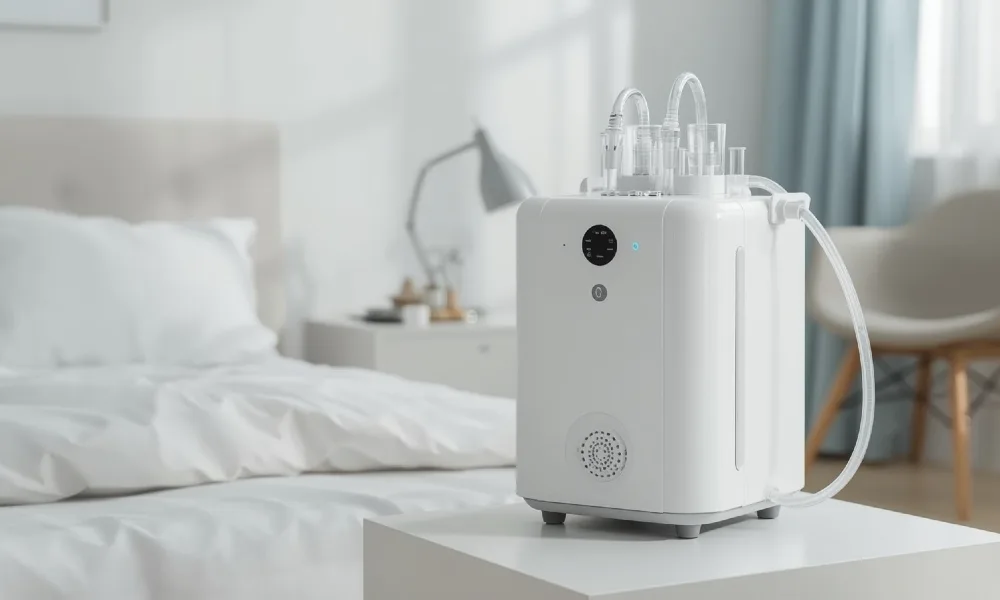
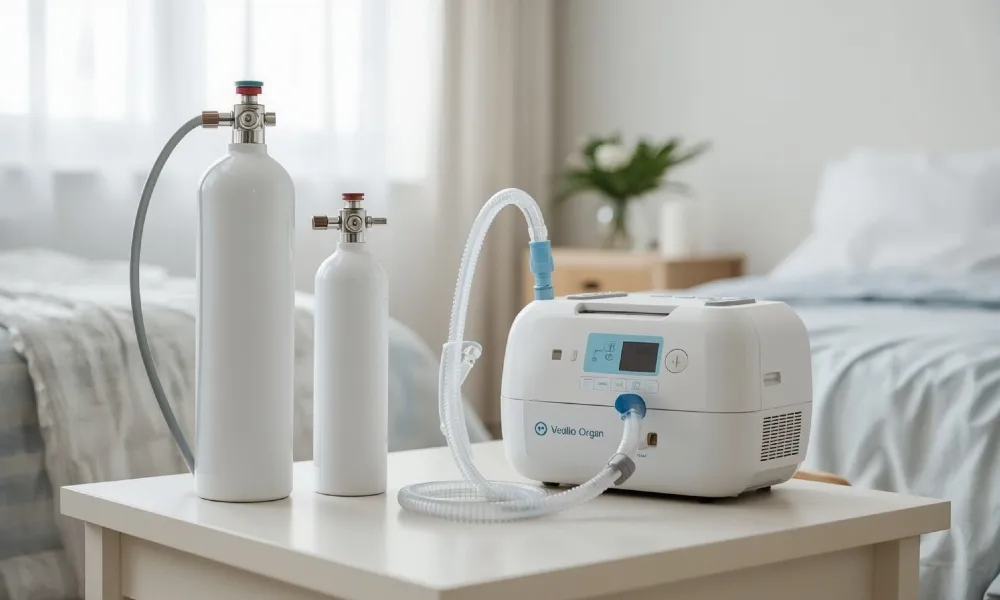
An oxygen concentrator is a medical device that takes in air from the surrounding environment, removes unwanted gases, and delivers concentrated oxygen to the patient. Unlike oxygen cylinders, it does not store oxygen. Instead, it produces oxygen continuously as long as it has power.
Normal air contains about 21% oxygen. An oxygen concentrator increases this level to around 90-95%, making it suitable for medical use.
Why Oxygen Concentrators Are Important?
Oxygen concentrators are often prescribed to support patients dealing with health conditions such as:
- Chronic lung diseases
- Asthma or COPD
- Pneumonia
- Heart conditions
- Post-surgery recovery
- Elderly patients with low oxygen levels
They help reduce breathlessness, improve energy levels, and support vital organs.
Basic Working Principle of Oxygen Concentrators
The working process of an oxygen concentrator can be divided into three main steps:
- Air intake
- Filtration and oxygen separation
- Oxygen delivery to the patient
Let’s understand each step in detail.
Step 1: Air Intake from the Surroundings
The oxygen concentrator starts by pulling in normal air from the room using an internal compressor. This air contains oxygen, nitrogen, moisture, dust, and other gases.
The device is designed to work best in clean, well-ventilated spaces. It does not need refilling like oxygen cylinders, which makes it convenient for long-term use.
Home care benefit: Patients can receive continuous oxygen without worrying about cylinder replacements.
Step 2: Filtration Process
Before oxygen is separated, the air passes through multiple filters. Filtration is an important safety feature of oxygen concentrators.
Types of Filters Used
- Dust filters: Remove dirt, dust, and large particles
- Bacterial filters: Prevent bacteria and germs from entering the system
- Moisture filters: Reduce humidity to protect internal components
These filters ensure that only clean air enters the oxygen separation system.
Safety advantage: Clean filtration reduces the risk of infections, especially for patients with weak immunity.
Step 3: Oxygen Separation Technology
This is the heart of how oxygen concentrators work.
Pressure Swing Adsorption (PSA) Technology
Most oxygen concentrators use a method called Pressure Swing Adsorption (PSA).
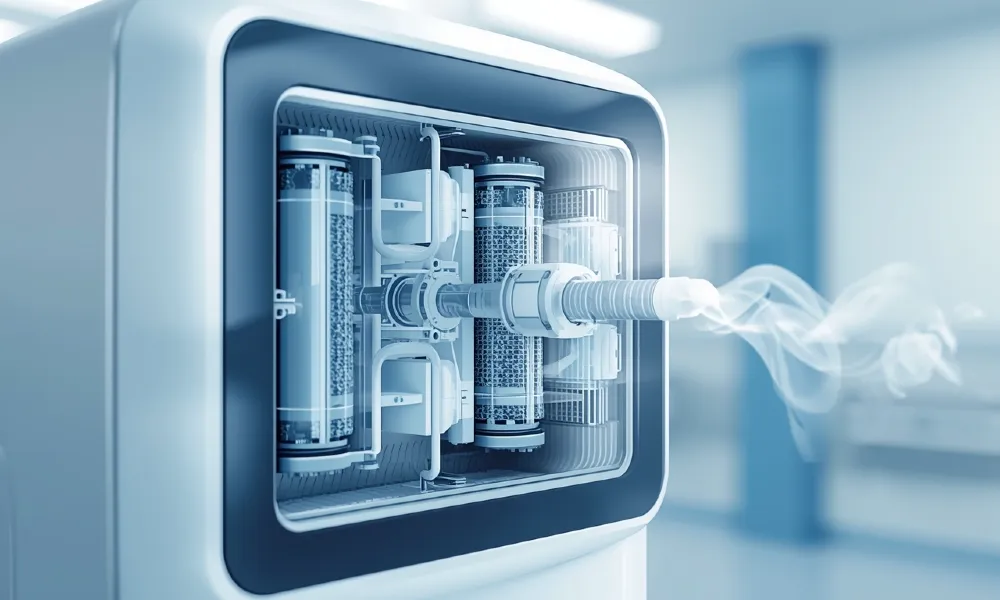
Inside the concentrator are special containers filled with a material called zeolite. Zeolite has the ability to trap nitrogen from the air while allowing oxygen to pass through.
Here’s how it works:
- Compressed air enters the zeolite chamber
- Nitrogen is absorbed by the zeolite
- Oxygen flows forward as concentrated oxygen
- Trapped nitrogen is released back into the air
- The cycle repeats continuously
This process happens within seconds, providing a constant supply of oxygen.
Real-life benefit: Patients receive stable oxygen levels without interruptions.
Oxygen Purity and Flow Control
Oxygen concentrators deliver oxygen at a controlled flow rate, usually measured in liters per minute (LPM). Common flow ranges are from 1 to 10 LPM, depending on the model and patient needs
A built-in flow meter allows caregivers to adjust oxygen levels as prescribed by a doctor.
Most concentrators maintain oxygen purity between 90% and 95%, which is safe and effective for medical use.
Step 4: Oxygen Delivery to the Patient
Once oxygen is purified, it is delivered to the patient through medical accessories such as:
- Nasal cannula
- Oxygen mask
- Nasal Cannula
A nasal cannula is a lightweight tube placed in the nostrils. It is comfortable for long-term use and allows patients to eat and speak easily
Oxygen Mask
An oxygen mask covers the nose and mouth and is used when higher oxygen concentration is required.
Home use advantage: Both options are easy to use and suitable for daily oxygen therapy.
Continuous vs Portable Oxygen Concentrators
Stationary Oxygen Concentrators: These are larger units designed for home or hospital use. They provide higher oxygen flow and are ideal for patients who need oxygen for many hours a day.
Portable Oxygen Concentrators: These are lightweight, battery-powered devices that allow patients to move freely. They are useful for travel and outdoor activities.
Lifestyle benefit: Portable concentrators help patients maintain independence and mobility
Safety Features in Oxygen Concentrators
Modern oxygen concentrators are equipped with safety systems such as:
- Low oxygen purity alarms
- Power failure alerts
- Overheating protection
- Flow rate warnings
These features ensure timely alerts and reduce the risk of complications.
Benefits of Oxygen Concentrators for Home Healthcare
Oxygen concentrators have transformed home healthcare in many ways:
- Continuous oxygen supply
- No need for cylinder refills
- Cost-effective over time
- Easy to operate
- Lower risk of leakage or explosion
They are especially useful for elderly patients and those requiring long-term oxygen therapy.
Proper Usage and Maintenance
To ensure safe and effective use:
- Keep the concentrator in a well-ventilated area
- Clean or replace filters regularly
- Avoid smoking or open flames nearby
- Follow the prescribed oxygen flow rate
- Schedule periodic servicing
Proper maintenance improves performance and extends the life of the device.
Oxygen Concentrators in Home ICU Setu
Oxygen concentrators are a key part of home ICU care. They are often used alongside:
- Patient monitors
- BiPAP or ventilator support
- Suction machines
Together, these devices help provide hospital-level care in the comfort of home.
My Health Mart
My Health Mart provides reliable and affordable Oxygen Concentrator on Rent in Delhi, making oxygen therapy accessible for patients at home. We offer well-maintained, medical-grade oxygen concentrators suitable for short-term recovery and long-term care. Our equipment is thoroughly checked for safety, performance, and hygiene before delivery.
With quick installation, flexible rental plans, and dedicated customer support, My Health Mart ensures a smooth and stress-free experience for patients and caregivers. Trust us for dependable oxygen support that helps improve breathing comfort and supports recovery in the safety of your home.
Final Thoughts
Oxygen concentrators are reliable, life-supporting devices that help patients breathe easier and live better. By using advanced technology, effective filtration, and controlled oxygen delivery, these machines provide safe and continuous oxygen therapy.
Understanding how oxygen concentrators work gives patients and caregivers confidence in using them correctly. Whether for short-term recovery or long-term care, oxygen concentrators play a vital role in modern healthcare, especially in home-based treatment.
Don’t Miss: What Equipment is Required in an ICU?