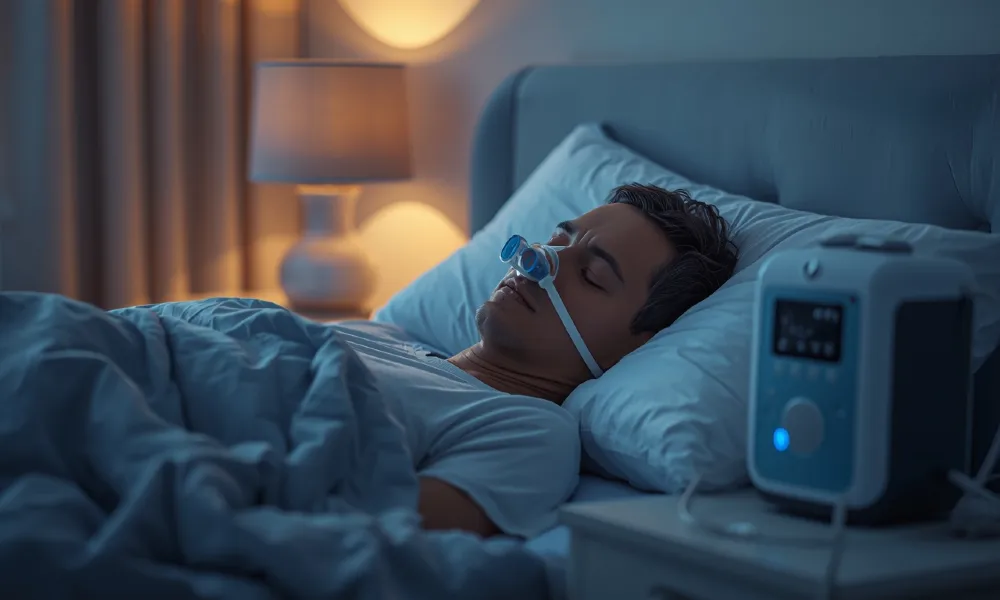
For many people living with breathing difficulties, oxygen therapy becomes an essential part of daily life. A common question patients and caregivers ask is: Can I sleep with an oxygen concentrator on?
The simple answer is yes, but it’s important to understand how to use it safely, comfortably, and effectively during sleep.
In this blog, we’ll explain everything you need to know, why oxygen may be required at night, how oxygen concentrators work while sleeping, safety tips, comfort concerns, and when to consult your doctor.
Why Is Oxygen Needed During Sleep?
When we sleep, our breathing naturally becomes slower and shallower. For people without underlying health issues, this typically does not cause any concern. However, for people with respiratory or heart conditions, oxygen levels in the blood may drop during sleep.
Low oxygen levels at night (called nocturnal hypoxemia) can lead to:
- Poor sleep quality
- Morning headaches
- Fatigue and weakness
- Shortness of breath
- Increased strain on the heart and lungs
Doctors may recommend oxygen therapy during sleep to maintain healthy oxygen saturation levels and prevent complications.
What Is an Oxygen Concentrator?
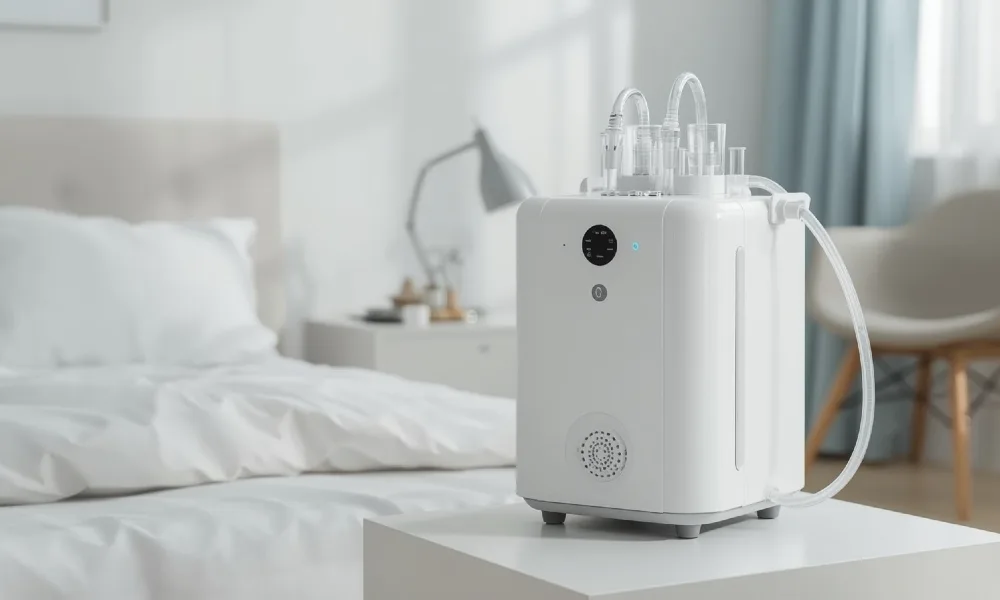
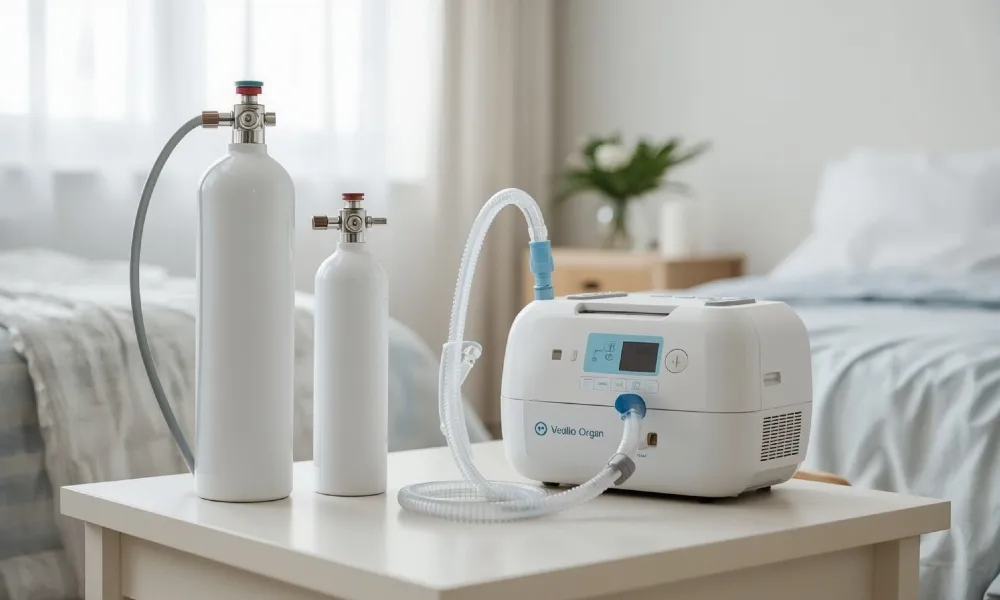
An oxygen concentrator is a medical device that takes in room air, removes nitrogen, and delivers concentrated oxygen to the patient through a nasal cannula or mask.
There are two main types:
- Stationary (home) oxygen concentrators – ideal for nighttime use
- Portable oxygen concentrators – lighter and travel-friendly, sometimes used during sleep
These devices provide a continuous supply of oxygen without the need for refilling cylinders, making them convenient and reliable for home use.
Can You Safely Sleep with an Oxygen Concentrator?
Yes, sleeping with an oxygen concentrator is generally safe when used as prescribed by a doctor.
Oxygen concentrators are designed for continuous operation, including overnight use. Many patients with conditions like COPD, asthma, sleep-related breathing disorders, or post-COVID lung issues rely on oxygen therapy every night.
However, safety depends on:
- Correct oxygen flow settings
- Proper equipment placement
- Regular maintenance
- Following medical advice
Who May Need Oxygen While Sleeping?
Nighttime oxygen therapy is commonly prescribed for people with:
- Chronic Obstructive Pulmonary Disease (COPD
- Sleep apnea (in combination with CPAP/BiPAP, if advised)
- Pulmonary fibrosis
- Pneumonia or post-COVID recovery
- Heart failure
- Low blood oxygen levels are detected during sleep studies
Your doctor may conduct tests like pulse oximetry or a sleep study to determine if oxygen is required during sleep.
How to Use an Oxygen Concentrator While Sleeping
1. Follow Prescribed Oxygen Flow
Never adjust oxygen flow on your own. Using too much or too little oxygen can be harmful. Always follow your doctor’s instructions.
2. Use a Comfortable Nasal Cannula or Mask
Most patients prefer a nasal cannula for sleeping as it is lightweight and less restrictive. Make sure it fits well and doesn’t cause pressure on the ears or nose.
3. Place the Concentrator Properly
- Keep the device in a well-ventilated area
- Place it at least 1-2 feet away from walls
- Avoid covering the air vent
4. Manage Tubing Safely
- Use longer tubing if needed
- Ensure it’s not twisted or kinked
- Arrange it to prevent tripping or pulling during sleep
Is It Comfortable to Sleep with an Oxygen Concentrator
Many first-time users worry about comfort, but most people adapt within a few nights.
Common Comfort Concern
- Dry nose or throat – Using a humidifier bottle can help
- Noise from the machine – Modern concentrators are relatively quiet
- Nasal irritation – Soft cannulas and proper skin care reduce discomfort
Using pillows designed for oxygen users or adjusting sleeping positions can also improve comfort
Safety Tips for Sleeping with an Oxygen Concentrator
Oxygen supports combustion, so safety is extremely important.
Essential Safety Guidelines
- Never smoke or allow smoking near oxygen
- Keep the concentrator away from open flames, candles, or gas stoves
- Avoid using oil-based products (petroleum jelly) near the nose
- Use water-based moisturizers instead
- Ensure proper electrical connections
Following these precautions makes nighttime oxygen therapy safe and worry-free.
Can Oxygen Concentrators Be Used with CPAP or BiPAP
Yes, in some cases, oxygen concentrators can be used in conjunction with CPAP or BiPAP machines, particularly for patients with sleep apnea and low oxygen levels.
However, this setup must be:
- Prescribed by a doctor
- Properly connected using compatible accessories
- Monitored regularly
Never combine devices without medical guidance.
Benefits of Using Oxygen at Night
Sleeping with an oxygen concentrator can significantly improve the quality of life.
Key Benefits Include:
- Better sleep quality
- Reduced nighttime breathlessness
- Improved energy levels during the day
- Lower strain on the heart and lungs
- Reduced risk of complications
Many patients report waking up feeling more refreshed and less fatigued after starting nighttime oxygen therapy.
Possible Side Effects to Watch For
Although oxygen therapy is usually safe, a few individuals may notice:
- Dryness in the nose or mouth
- Mild nasal irritation
- Headaches (if oxygen flow is incorrect)
If symptoms persist, consult your healthcare provider. Regular follow-ups help ensure optimal therapy
When Should You Talk to a Doctor?
You should contact your doctor if:
- You feel breathless despite oxygen use
- You experience frequent headaches or dizziness
- Oxygen saturation levels remain low
- Your sleep quality worsens
Never stop or change oxygen therapy without medical advice.
Final Thoughts
So, can you sleep with an oxygen concentrator?
Absolutely, when used correctly and under medical supervision, sleeping with an oxygen concentrator is not only safe but often essential for better health and restful sleep.
With the right device, proper setup, and safety measures, nighttime oxygen therapy can help you breathe easier, sleep better, and wake up feeling stronger each day.
If you or a loved one has been prescribed oxygen therapy, don’t hesitate to seek professional guidance and choose a reliable oxygen concentrator suited for overnight use.
Don’t Miss: How Oxygen Concentrators Work Technology, Filtration, and Oxygen Delivery