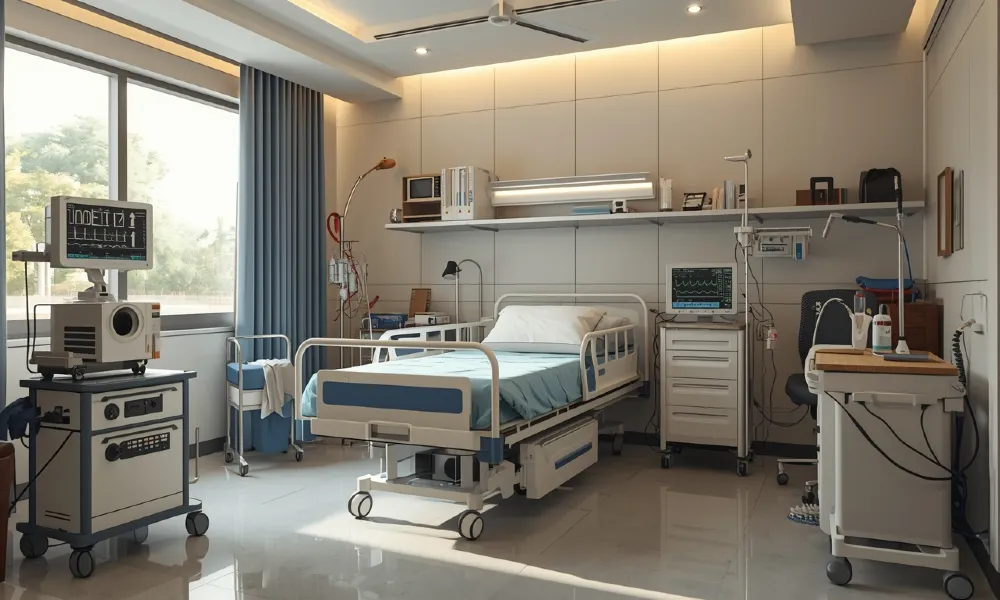
Caring for a critically ill patient at home is an emotional and responsible decision. Many families today are choosing home ICU setups to provide their loved ones with comfort, personalized care, and a familiar environment while ensuring medical safety. With advancements in home healthcare services, it is now possible to replicate hospital-level ICU care within the home when the right equipment is in place.
A home ICU is not just about machines; it is about creating a controlled, safe, and supportive space where recovery can happen with dignity. Understanding the essential equipment required for an ICU setup at home helps families prepare better and avoid unnecessary stress during critical times.
Understanding What a Home ICU Setup Involves
A home ICU setup is designed for patients who require constant monitoring, respiratory support, mobility assistance, or post-surgical critical care. These patients may include individuals recovering from major surgery, stroke patients, elderly patients with chronic illnesses, or those on a ventilator or oxygen support.
The goal is to ensure continuous monitoring, timely intervention, and comfort—similar to a hospital ICU but in a familiar home setting. To achieve this, certain medical equipment becomes essential.
ICU Hospital Bed with Advanced Features
The foundation of any home ICU setup is a high-quality ICU hospital bed. These beds are designed to support critically ill patients and caregivers alike. They come with adjustable height, head and leg elevation, and side safety rails to prevent falls.
Advanced ICU beds also allow easier repositioning of patients, which helps prevent bedsores and improves blood circulation. For caregivers and nurses, these beds reduce physical strain and make daily care tasks more manageable.
Patient Monitor for Continuous Vital Tracking
Continuous monitoring is one of the most important aspects of ICU care. A multiparameter patient monitor tracks vital signs such as heart rate, blood pressure, oxygen saturation (SpO₂), respiratory rate, and sometimes temperature.
These monitors provide real-time data and alerts, helping caregivers respond quickly to any sudden changes in the patient’s condition. At home, patient monitors act as a silent guardian, ensuring round-the-clock safety without disturbing the patient’s comfort.
Oxygen Support Equipment
Many ICU patients require oxygen therapy as part of their treatment. Depending on the patient’s condition, oxygen support equipment may vary.
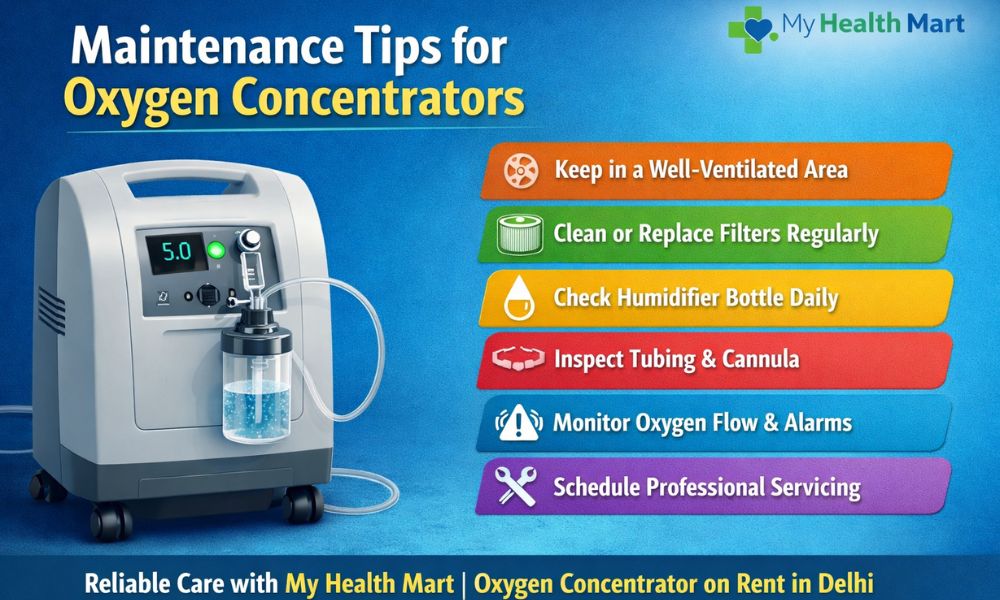
Oxygen concentrators are commonly used for patients who need a continuous oxygen supply. They are easy to operate and suitable for long-term use at home. For patients with higher oxygen needs, oxygen cylinders may be used as a backup or primary source.
Proper oxygen delivery devices such as nasal cannulas, masks, and humidifiers are also essential to ensure comfort and prevent dryness or irritation.
Ventilator or BiPAP Machine for Respiratory Support
Patients with severe respiratory conditions may require advanced breathing support. Ventilators are used for patients who cannot breathe adequately on their own, while BiPAP machines are suitable for patients who need non-invasive respiratory assistance.
These machines help maintain proper oxygen and carbon dioxide levels in the body. When used at home, they must be supported by trained medical staff and proper monitoring to ensure safety and effectiveness.
Suction Machine for Airway Clearance
A suction machine is a crucial component of any home ICU setup, especially for patients who have difficulty clearing secretions from their airways.
It helps remove mucus, saliva, or fluids that may obstruct breathing. Regular suctioning reduces the risk of infections and improves overall respiratory comfort. Having a reliable suction machine at home allows caregivers to respond immediately when needed.
Infusion Pump and Syringe Pump
Many ICU patients require controlled delivery of medications, fluids, or nutrition. Infusion pumps and syringe pumps ensure accurate dosage over a specific period, minimizing the risk of human error.
These devices are especially important for administering critical medications such as antibiotics, pain management drugs, or sedatives. Their precision adds a layer of safety that manual administration cannot always guarantee.
Defibrillator for Emergency Preparedness
While emergencies are rare, preparedness is essential in a home ICU setup. A defibrillator is used to deliver an electric shock in case of sudden cardiac arrest.
Having a defibrillator at home, along with trained caregivers or medical staff, provides peace of mind and immediate response capability during life-threatening situations.
Air Mattress to Prevent Bedsores
Patients who remain bedridden for extended periods are at high risk of developing pressure ulcers. An air mattress helps distribute body weight evenly and reduces pressure on sensitive areas.
This equipment plays a significant role in improving patient comfort, preventing complications, and supporting long-term recovery.
Nebulizer for Respiratory Therapy
For patients with lung conditions or breathing difficulties, a nebulizer is often essential. It converts liquid medication into a fine mist, making it easier for patients to inhale the medicine directly into their lungs.
Nebulizers are commonly used for asthma, COPD, and post-infection respiratory care in home ICU settings.
Medical Trolley and Storage Units
A well-organized ICU setup improves efficiency and reduces stress for caregivers. Medical trolleys help store medicines, syringes, gloves, and other daily-use medical supplies within easy reach.
Proper storage ensures hygiene, quick access during emergencies, and smoother caregiving routines.
Power Backup and Emergency Lighting
Medical equipment relies heavily on electricity. A reliable power backup system, such as an inverter or UPS is essential to ensure the uninterrupted functioning of life-support devices.
Emergency lighting also plays an important role, especially during nighttime care or power outages, ensuring patient safety at all times.
Creating a Safe and Supportive Home ICU Environment
Beyond equipment, a home ICU setup requires cleanliness, ventilation, quiet surroundings, and emotional support. Regular sanitization, proper waste disposal, and caregiver training are equally important.
Professional home healthcare providers often assist families in setting up and managing home ICUs, ensuring all equipment is installed correctly and used safely.
My Health Mart
My Health Mart offers reliable and professional Home ICU Setup Services across Delhi NCR, helping families provide critical care in the comfort of their homes. We specialize in complete ICU setups, including hospital beds, patient monitors, ventilators, oxygen support, suction machines, and emergency equipment.
Our team ensures fast delivery, proper installation, and guidance for safe usage. With a focus on patient comfort, safety, and medical accuracy, we support short-term and long-term critical care needs. Backed by experienced professionals and 24/7 assistance, My Health Mart makes advanced home ICU care simple, dependable, and stress-free for patients and caregivers.
Wrapping Up
Setting up an ICU at home is a thoughtful decision that combines medical necessity with emotional care. The right equipment ensures that patients receive hospital-level treatment while enjoying the comfort of home.
From ICU beds and patient monitors to oxygen support and emergency equipment, each component plays a vital role in patient recovery and safety. With proper planning, expert guidance, and compassionate care, a home ICU can become a place of healing, dignity, and hope for both patients and their families.
Don’t Miss: Top 10 Oxygen Concentrator Suppliers in Delhi NCR